Explore our top CE-Certified synthetic foliage systems, engineered for structural integrity, fire-retardancy, and long-term UV stability.
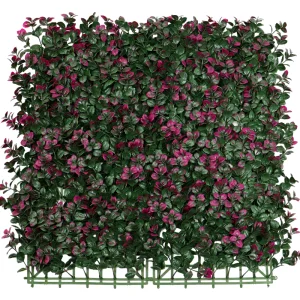

In modern commercial architecture and landscape design, the incorporation of greenery has transitioned from an aesthetic option to a structural necessity. Biophilic design, the integration of natural elements into constructed environments, has been proven to lower stress, improve acoustics, and elevate brand value. However, living vertical walls require complex irrigation systems, constant maintenance, pesticide applications, and present a risk of structural water damage.
This has catalyzed the development of premium CE-certified artificial green walls and fake vines. Engineered from high-density polyethylene (HDPE) and treated with advanced UV inhibitors, these systems mimic natural foliage while eliminating the maintenance burden. But to achieve safety, durability, and visual impact in public, commercial, or residential spaces, architectural planners and contractors must understand the engineering behind how to correctly install these systems on various vertical substrates.
Installing artificial greenery on a wall is not merely a decorative task; it is a structural installation. The key factors to analyze include dead load (the weight of the panels and supporting structures), wind load (specifically for outdoor facades where wind pressure acts on the surface area), and thermal expansion (expansion and contraction of polymers due to temperature changes).
Using a modular grid backing system ensures even load distribution. Traditional hanging methods like simple adhesive hooks or lightweight wire staples often fail under environmental stress. Selecting the appropriate structural anchors based on the base material—concrete, drywall, metal cladding, or timber—is critical.
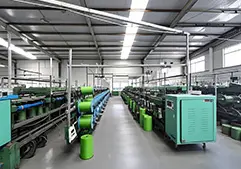
A high-performance installation requires systematically matching materials and tools with the structural limitations of the wall. Here is the engineering-grade process to install artificial hedges and vine panels on major substrate types.
Before installation, the surface must be assessed for mechanical soundness and load-bearing capacity. Moisture barriers must be preserved, particularly when installing on exterior thermal insulation systems (ETICS) or interior gypsum boards.
Directly mounting soft panels to a wall often leads to sagging and gaps over time. A secondary support frame provides structural integrity, flat alignment, and creates a small ventilation gap that prevents moisture accumulation.
We recommend installing a commercial wire mesh grid (hot-dip galvanized or stainless steel) or a treated timber batten frame. Secure the grid to the wall using anchors spaced no more than 50 cm apart horizontally and vertically. For concrete walls, use M6 expansion anchors.
Once the grid is secure, the artificial vine panels or hedges can be mounted. Most professional products feature an interlocking grid backing with male/female pins.
Assemble the panels on the floor in sections that match the grid dimensions. Lift the assembled section and secure it to the steel grid using heavy-duty, UV-stabilized nylon zip ties or stainless steel wire clips. Secure every 30 cm along the perimeter of the panel to prevent wind lifting and sagging.

Once the main panels are secured, the seams must be blended. Gently tease out the synthetic leaves and branches across the panel borders to hide joint lines. Cut and shape the edges with shears around outlets, switches, or architectural details. Any exposed grid or backing should be covered using loose, individual stems woven into the primary structure.
For commercial developments in Europe and global markets, using products without a CE Mark can lead to project rejection, regulatory fines, and voided insurance policies.
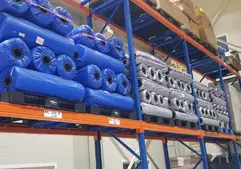
A look into the polymer extrusion technology, regional supply chains, and production standards behind Weihai Deyuan Network Industry Co., Ltd.
We use 100% virgin Polyethylene (PE) granules mixed with premium UV stabilizers and fire-retardant agents. This prevents structural brittleness and maintains elasticity, ensuring a product lifespan of over 5 years in exterior applications.
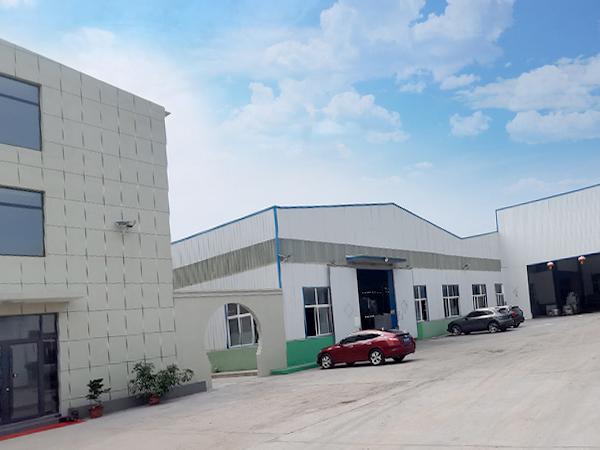
Headquartered in Weihai, Shandong Province, WHDY runs two core production facilities located in Hebei and Shandong. Our production network spans Jiangsu, Guangdong, Hunan, and other industrial provinces to ensure continuous capacity.
With executives and designers residing in major global markets for over a decade, we configure our product dimensions, density, and fire ratings to directly match the building codes and consumer tastes of the EMEA, Americas, and SE Asia.
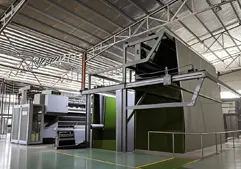
How global industries utilize our custom artificial ivy, boxwood, and floral backdrops to resolve spatial design issues.
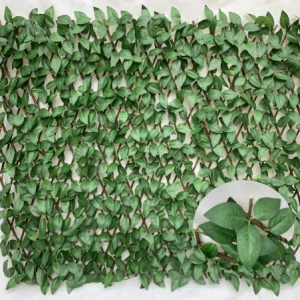
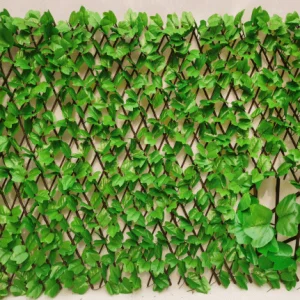
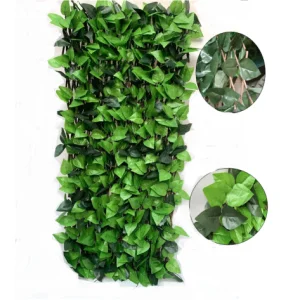
Exterior walls exposed to high heat and solar radiation suffer from aesthetic degradation over time. By installing our UV-resistant expandable privacy hedge fences or artificial ivy lattices, commercial facilities create a durable green shield. This lowers heat absorption on concrete facades, blocks out urban noise pollution, and provides privacy for ground-floor retail or VIP zones.
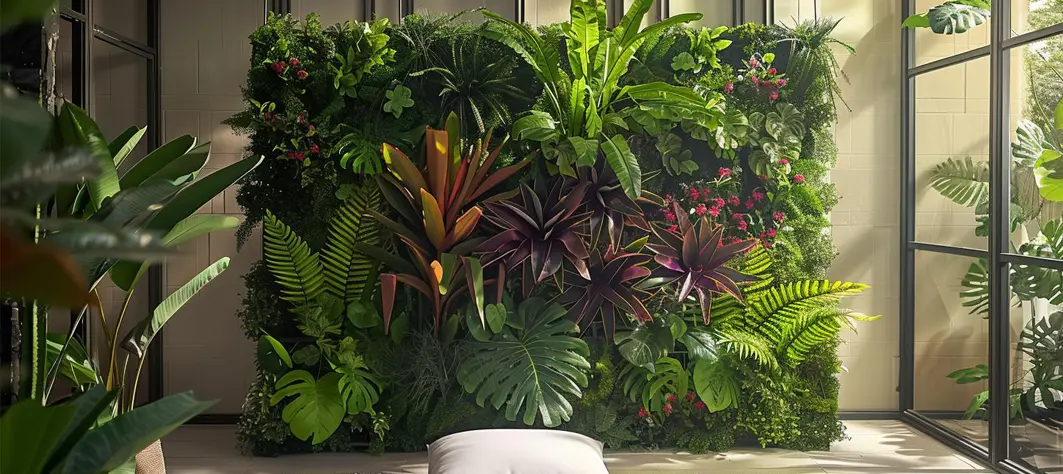
Modern offices utilize synthetic green walls to divide open workspaces and create biophilic rest areas. Since they do not produce moisture or mold, these installations can be safely mounted directly onto interior drywall systems without structural framing or waterproof backings.
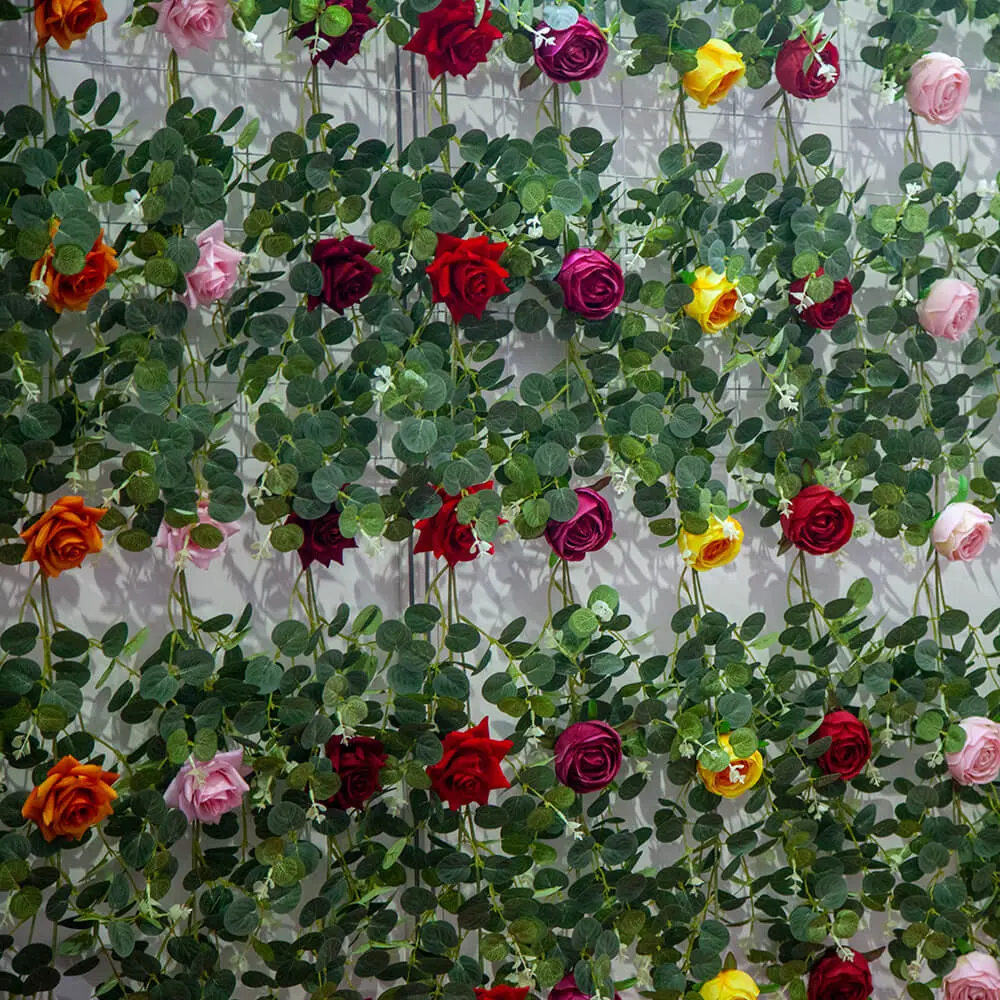
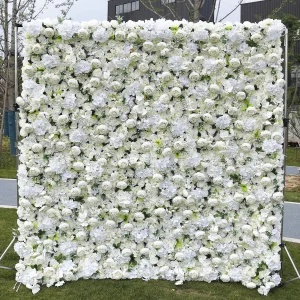
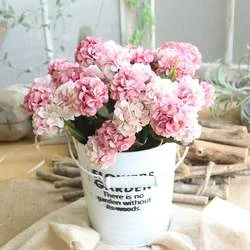
Our CE-certified custom flower wall backdrops (such as the 3D/5D Silk Peony Rose panel systems) are widely deployed in weddings, red-carpet events, and retail window displays. The lightweight, modular design allows for rapid assembly, teardown, and repeat use across different venues.
Select a product category below to view our direct wholesale catalogs and request instant pricing from our logistics team.
How WHDY is leading the transition from traditional fossil polymers to eco-friendly, circular-economy materials.
We are actively researching aliphatic polyesters and PLA-blend polymers. Our goal is to achieve 100% biodegradable outdoor vine systems by 2026, reducing the microplastic footprint in architectural demolition projects.
In cooperation with coastal sorting centers, we source post-consumer ocean plastics to construct the back grids of our wall-mounted panels, converting ocean waste into long-lasting building facade materials.
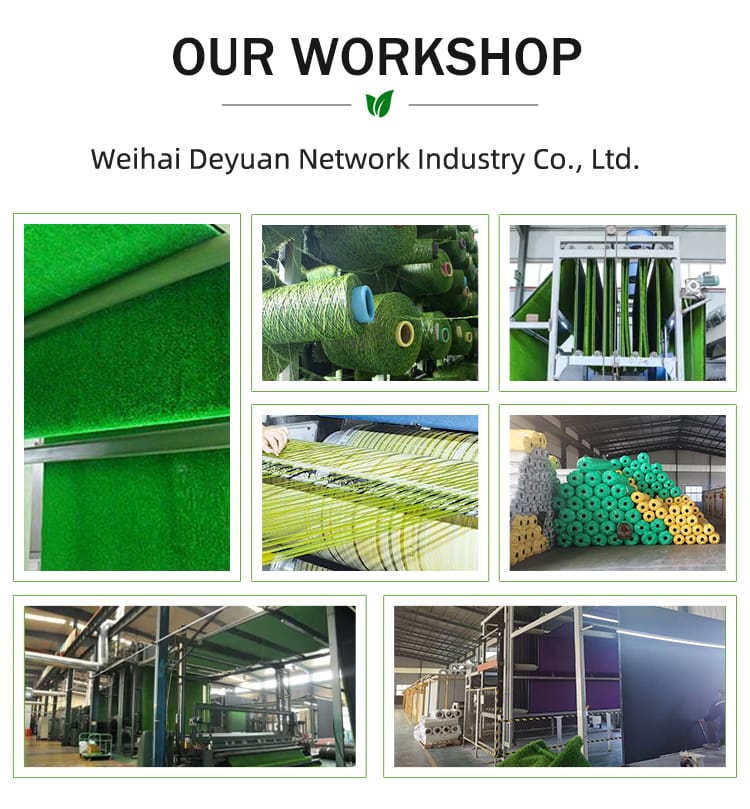
Get professional advice on mechanical design, wind loads, and maintenance protocols.
Our commitment to design, quality control, product diversity, and customer service.
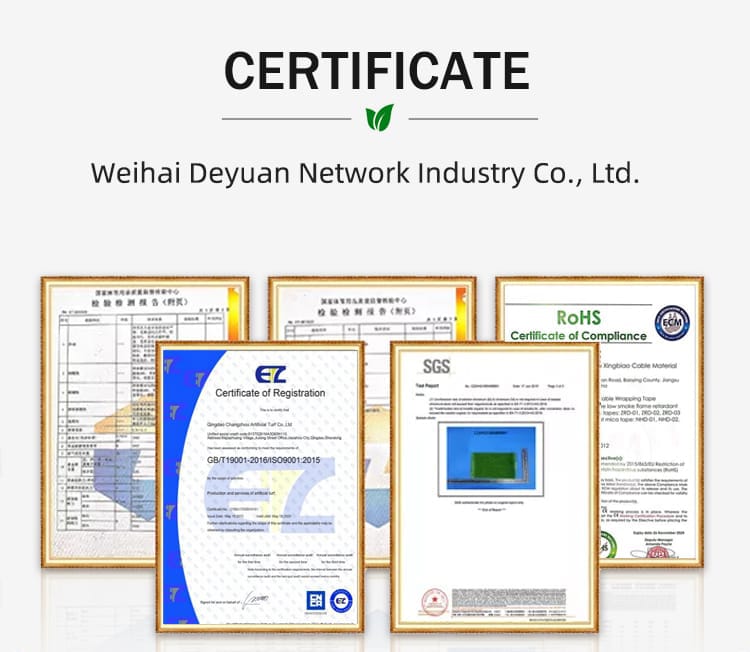
Weihai Deyuan Network Industry Co., Ltd. (WHDY) has over 10 years of experience in the design, manufacture, and export of high-grade synthetic grass and plants.
Headquarters: Weihai, Shandong Province, China.
Primary Plant Zones: Hebei Province, Shandong Province.
Cooperative Network: Jiangsu, Guangdong, Hunan, and other provinces.

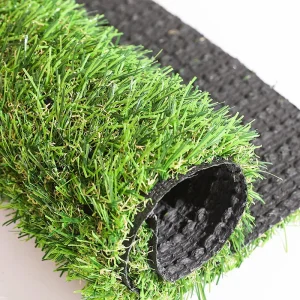
Select from our complete range of CE-certified vertical green wall panels, artificial topiary, and synthetic turf solutions.


 Deyuan Industry