Discover our comprehensive collection of durable, premium-grade synthetic surfaces engineered for intense competitive sports, landscape applications, and interior architectural decor.
The global sports infrastructure landscape has undergone a monumental shift toward synthetic turf. A modern football field carpet is no longer just "fake grass"—it is a highly engineered, multi-layered system designed to replicate the biological mechanics of natural grass while offering ten times the durability. For school boards, municipality decision-makers, stadium developers, and commercial buyers, choosing the right manufacturer is a strategic investment that directly impacts athletic performance, joint safety, environmental footprint, and long-term cost amortization.
At Weihai Deyuan Network Industry Co., Ltd. (WHDY), we have spent over a decade perfecting the polymer chemistry and mechanical weaving technologies required to produce premium sports and landscaping turf. By leveraging our advanced production plants across Shandong and Hebei, we supply synthetic turf engineered to withstand intense friction, heavy foot traffic, extreme UV exposure, and volatile temperature ranges.
This industry document covers the core performance metrics, global purchasing guidelines, technological advancements, and localization strategies to assist you in making an informed procurement decision.
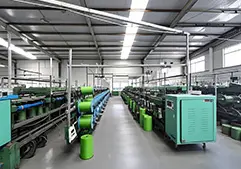
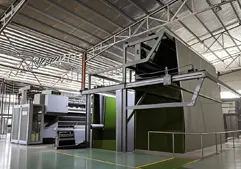
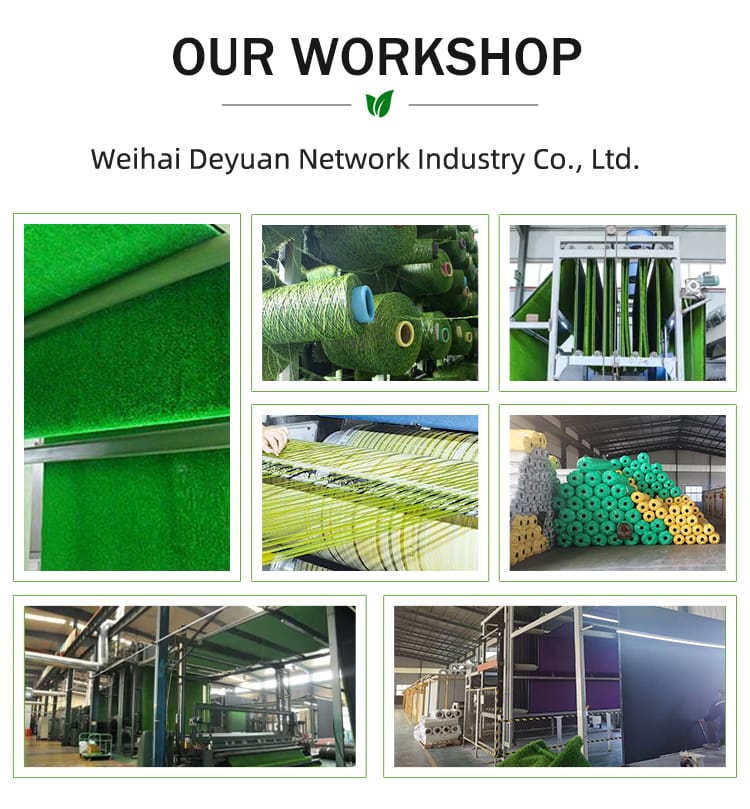
WHDY operates multiple high-efficiency tufting lines producing FIFA-standard density layouts with precision control over pile height and stitch rate.
The continuous shift toward high-tech sports surfaces is guided by research in player biometrics, macro sustainability goals, and structural lifespan optimization.
Traditional polyethylene (PE) turf remains standard, but the market demands sustainable circularity. Leading research at WHDY focuses on developing 100% recyclable, biodegradable turf fibers. By removing the need for vulcanized backing materials, upcoming generations of turf can be ground down and pelletized for reuse, reducing landfills significantly.
Heat absorption has traditionally limited outdoor synthetic turf usage on summer days. Manufacturers now deploy reflective pigments and thermodynamic polymer geometries. This "cool-turf" technology ensures the field temperature remains up to 15°F cooler compared to basic monofilament products under direct sunlight.
To bypass micro-plastic infill bans (such as the EU's incoming restrictions on rubber crumb infills), there is an upward trend in high-density, multi-directional texturized turf. These systems use dense curly grass fibers to support the straight blades, eliminating the need for silica sand or rubber particles.
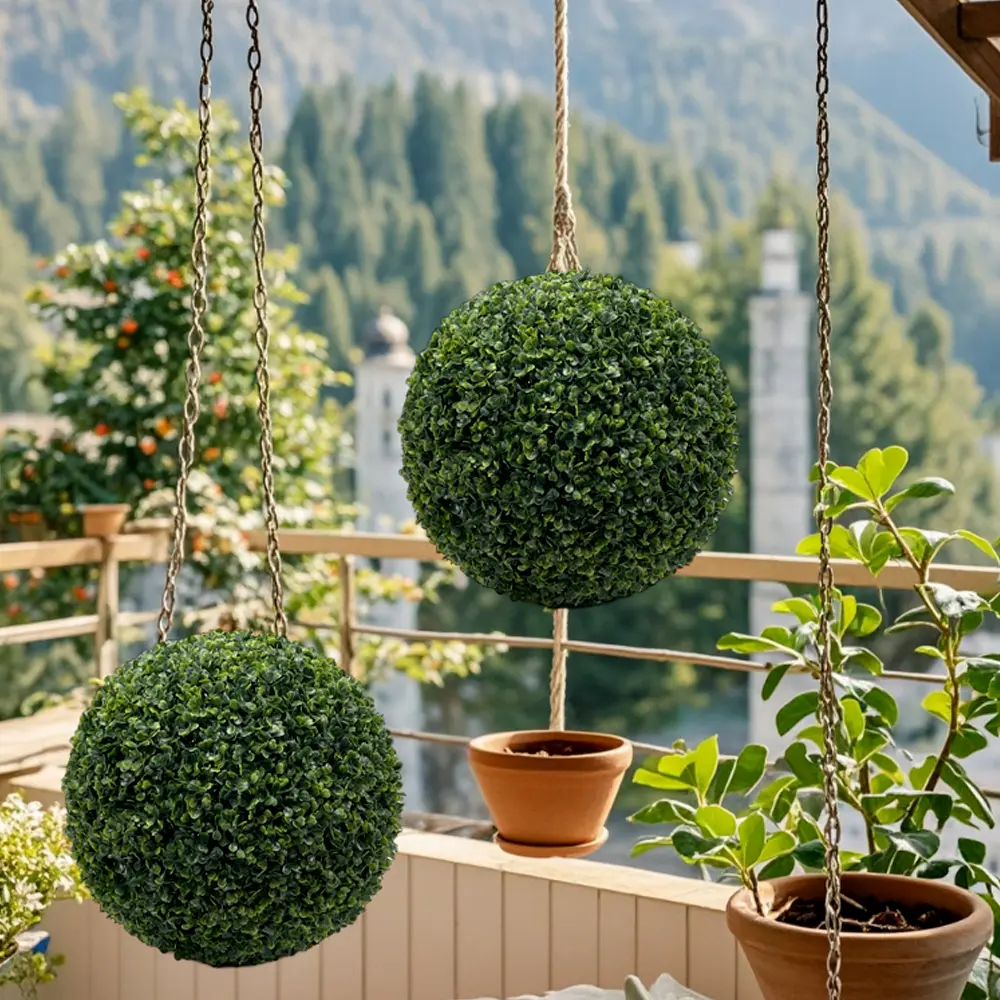
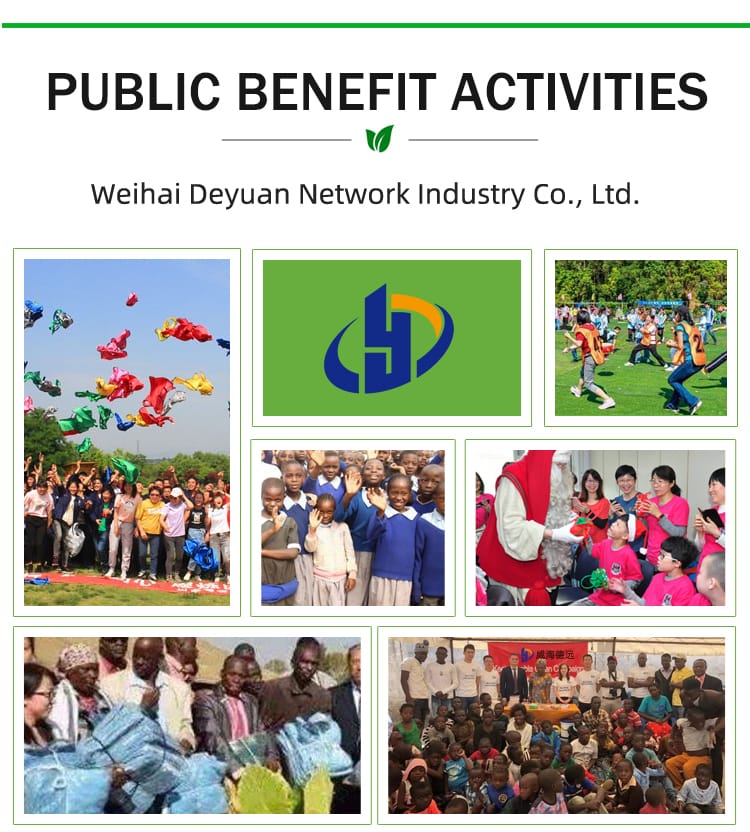
Weihai Deyuan Network Industry Co., Ltd. (WHDY) is an experienced company which focuses on the trade of Artificial Grass and Artificial plants. Our primary solutions are structured across Landscaping Grass, Sports Grass, Artificial Hedge, and Expandable willow trellis.
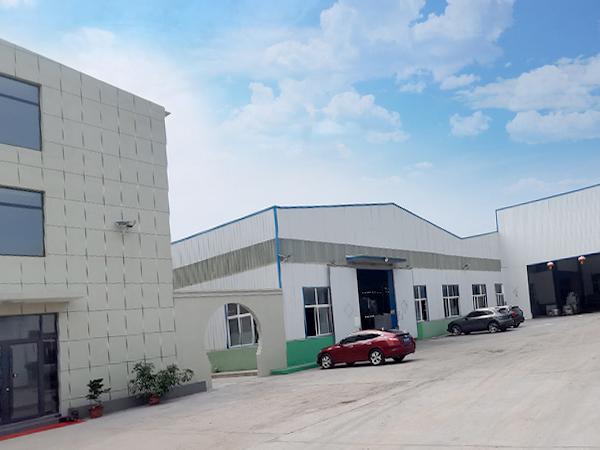
Our headquarters of import and export is based in the beautiful coastal city of Weihai, Shandong Province, China. To maintain strict quality control and logistical efficiency, WHDY runs two main cooperative production plants: one is situated in the industrial manufacturing zone of Hebei Province, and the other is located directly in Shandong Province. Furthermore, we maintain strong cooperative alliances and partnerships with advanced raw material factories across Jiangsu, Guangdong, Hunan, and other key industrial regions.
Our business has a broad reach, servicing major sports venues, retail outlets, and landscaping contractors across EMEA, the Americas, and Southeast Asia. WHDY adheres to the faith that clients are first. We focus on delivering tailored marketing solutions and customized turf designs to meet the unique structural needs of different markets.
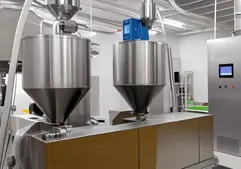
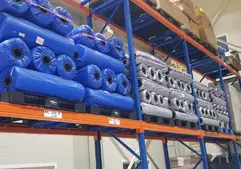
We merge professional design capabilities with robust raw-material engineering to guarantee stable global supply chains.
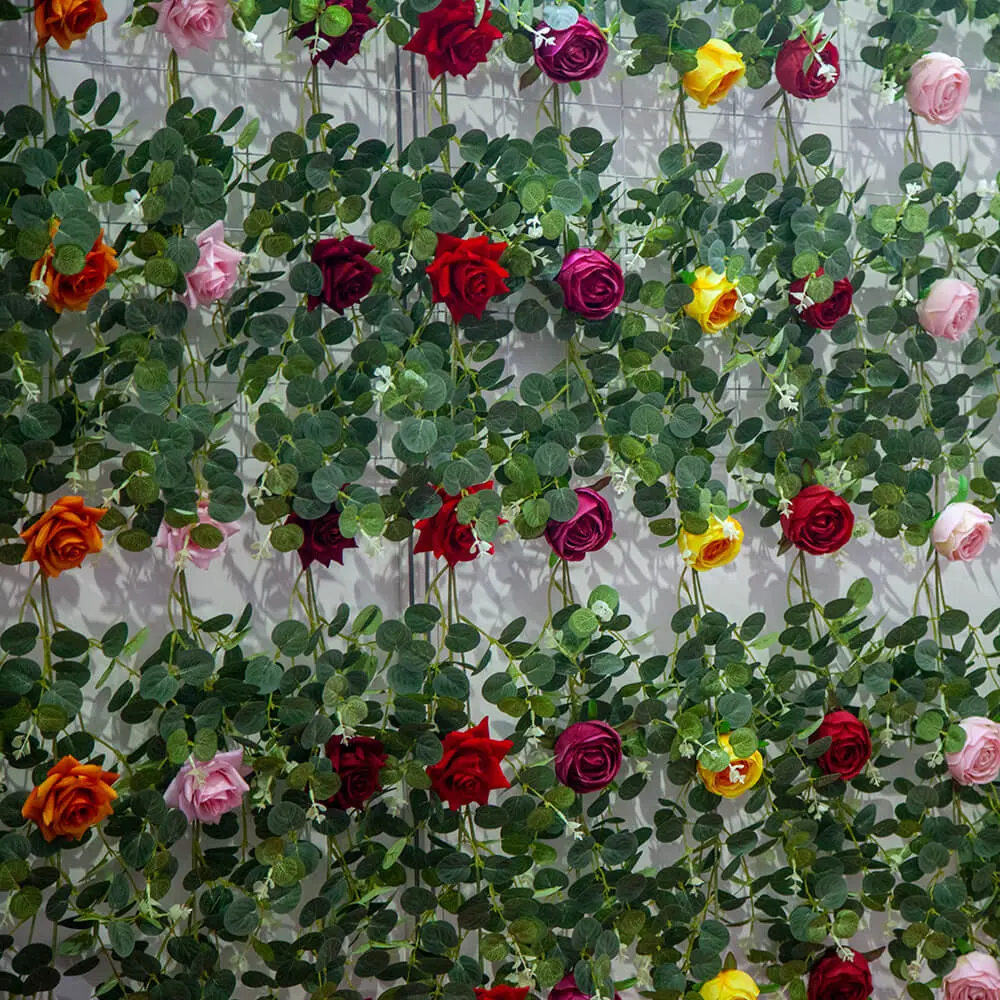
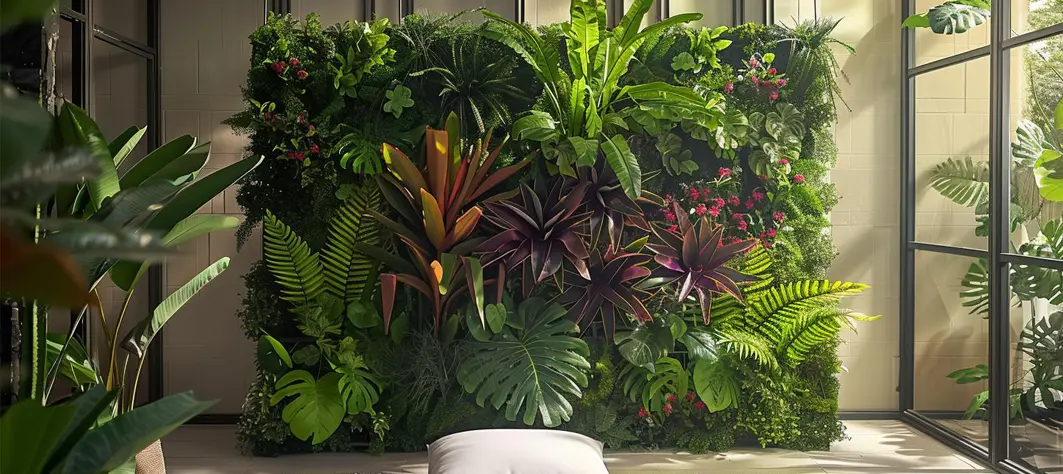
We recommend the most suitable, cost-effective lawn according to your field specifications, and we can also design your ground layout and vertical green walls for free.
All products undergo multi-layer inspection. They are eco-friendly, non-toxic, UV-protected, aging-resistant, and built for harsh outdoor exposures.
From high-intensity sports fields to domestic landscaping, we offer multiple yarn types, densities, pile heights, and pricing tiers to suit your project budget.
We support global importers with 7x24 communication. Inquiries are processed by our technical customer-service staff within 12 hours.
A balanced overview of our primary production capabilities, supporting both sports installations and architectural integrations.
When purchasing football field carpets at a commercial scale, technical directors look past surface aesthetics. High-performance turf must satisfy three fundamental parameters: Ball Roll and Bounce, Shock Absorption (G-max rating), and Rotational Resistance (traction safety).
A high G-max rating indicates a hard surface, which increases the risk of athlete concussions and joint stress. WHDY turf fields are designed to integrate seamlessly with standard shock-pad underlays. This maintains optimal elastic energy restitution, keeping G-max levels below 120 throughout the product's lifespan.
Additionally, we subject all polymer yarns to extreme accelerated weathering tests (ISO 4892-2). This guarantees the turf remains colorfast and structurally sound even under high UV radiation environments such as the Middle East or South America.
How sub-base engineering and quality materials work together to create a durable athletic field system.
Modern football turf relies on a high-flow perforated backing. WHDY backing structures feature punch holes every 10-15cm, translating to a drainage capacity of over 180 inches per hour. This ensures zero water pooling, allowing continuous play even during heavy rain storms.
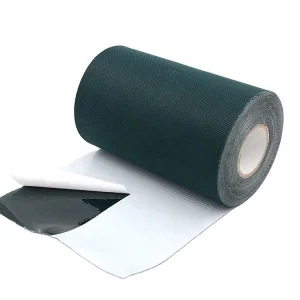
A field is only as strong as its seams. Utilizing specialized joining tapes—such as our Lawn Seaming self-adhesive tape—guarantees high shear resistance. This prevents seam splitting under the lateral forces generated by professional athletes changing direction rapidly.
Our turf features a multi-layer backing system comprised of woven Polypropylene (PP), secondary fiberglass mesh, and a final lock coat of Polyurethane (PU) or high-grade SBR Latex. This delivers superior tuft bind strength, preventing fiber pull-out during aggressive play.
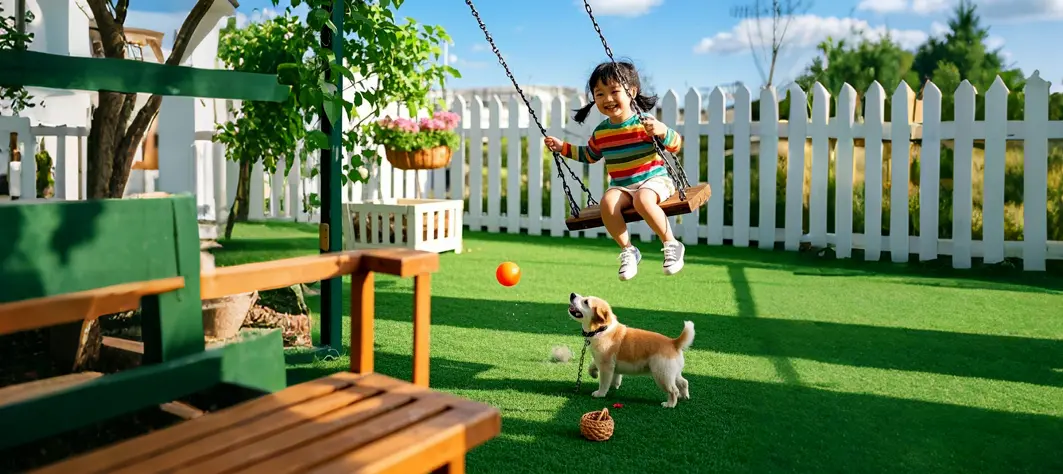
Imagine the punishment our synthetic turf fields take on any given game day. At any of the number of synthetic grass baseball, football, and athletic fields installed around the world, WHDY continues to be a top choice for playing field grass over the last 10+ years. Our lawns are known for beauty, quality, and their ability to endure even the harshest conditions athletes can unleash.
The chairman of the company has been resident overseas for more than ten years, and some employees are still stationed internationally. This rich overseas experience enables us to deliver professional designs optimized for the specific environmental challenges and regulations of different regions.
Tracking the history and future of synthetic grass surfaces, from early residential mats to modern sports field solutions.
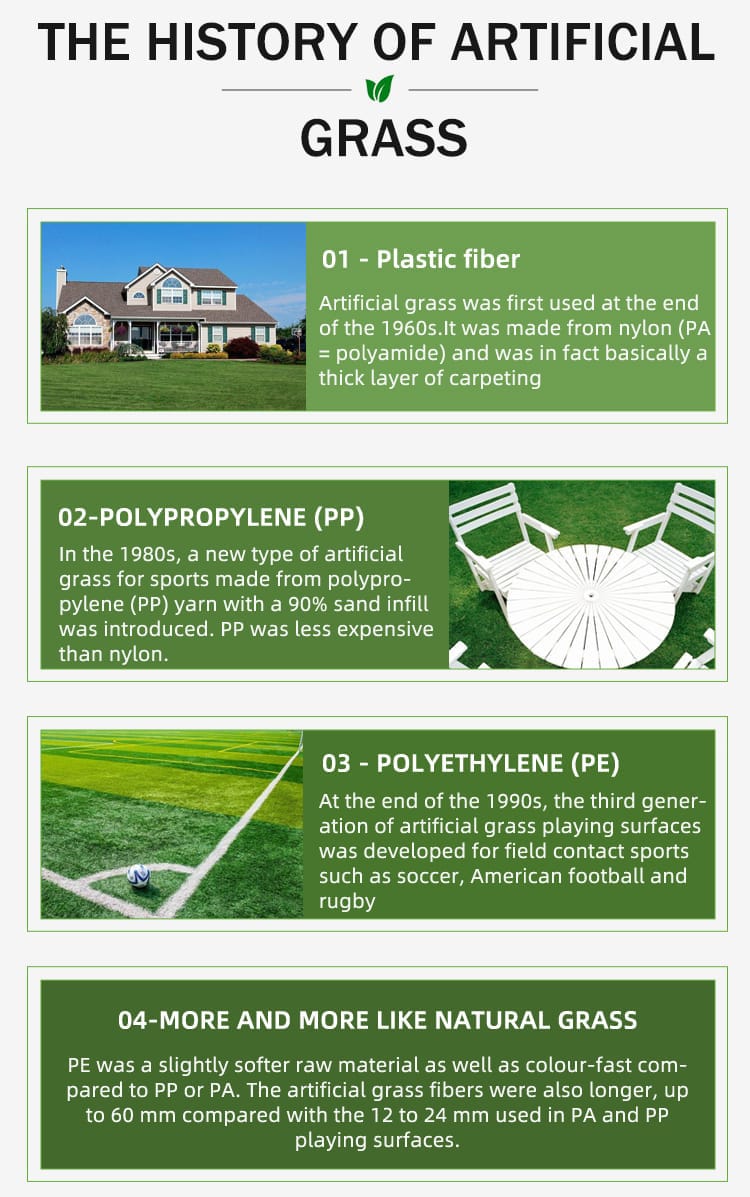
Initial iterations featuring low pile heights, stiff nylon fibers, and no shockpad systems. These early fields were characterized by high friction and minimal player cushioning.
Introduced softer PP fibers alongside loose silica sand infill. While skin abrasion was reduced, compaction remained an ongoing challenge.
Introduced modern PE monofilament yarns, shaped fibers (V-shape, Spine, W-shape) to improve fiber resilience, and sand/rubber infill combinations.
Our current research phase: 100% recyclable mono-polymer systems, biodegradable fibers, and non-infill turf structures designed for simple reclamation.
Ensuring each grass blade maintains tensile strength and recovery rates under high vertical forces.
Advanced stitch setups deliver tight, consistent binding to prevent early wear pattern degradation.
Safe, high-volume rolling and protection wrappers preserve product integrity during ocean transit.
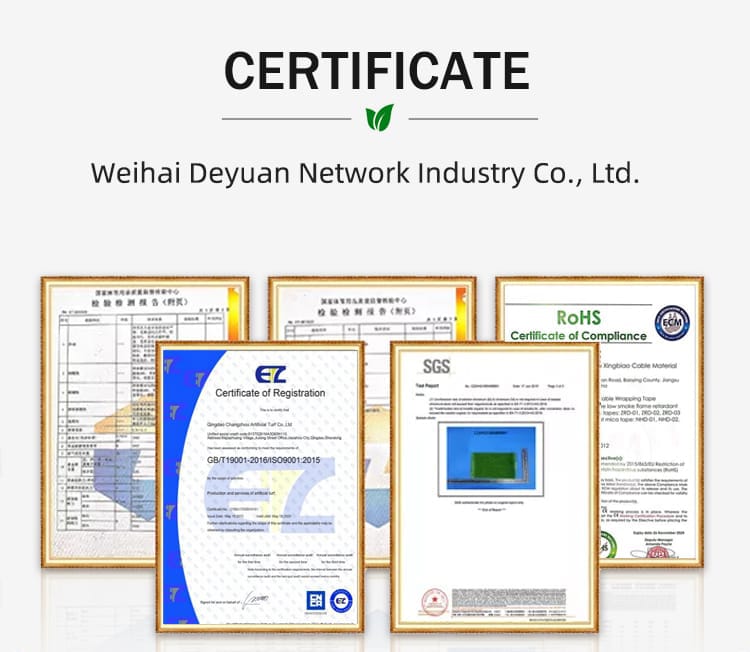
Global markets require strict testing and verification. WHDY ensures all partner factories align with critical certifications including CE Certification, REACH compliance, and RoHS lead-free guidelines. We source raw polymers that are free of heavy metal additives to protect both younger athletes and groundwater tables.
Our sports turf products undergo rigorous Lisport testing (wear resistance cycles). By simulating 20,000 cycles of intensive metal-cleat contact, we ensure our fiber structure remains upright and integrated without splitting down the shaft. This structural integrity translates to an extended 8-to-10 year warranty cycle under standard playing conditions.
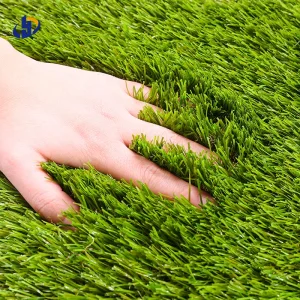
Engineered with resilient monofilaments and deep green colorways for high-performance athletic applications.
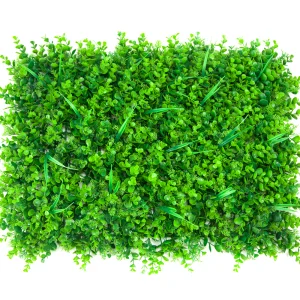
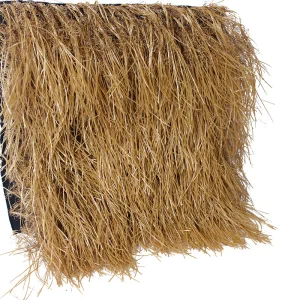
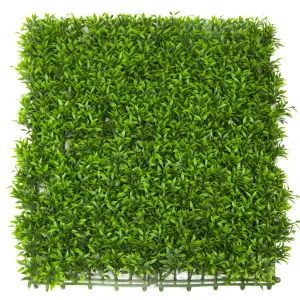
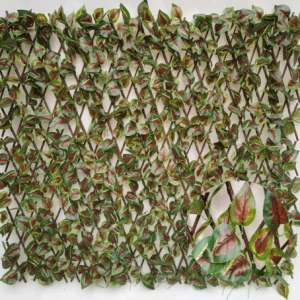
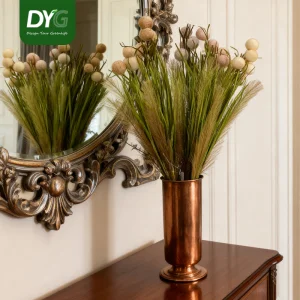
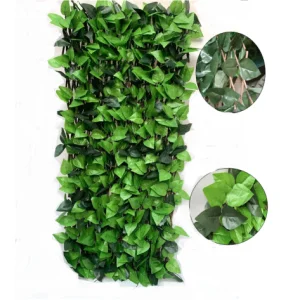
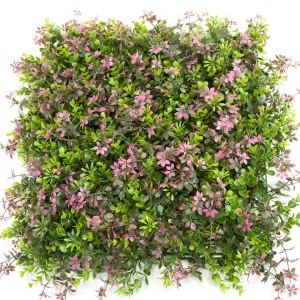
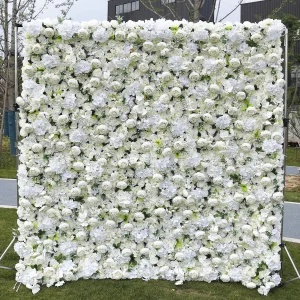
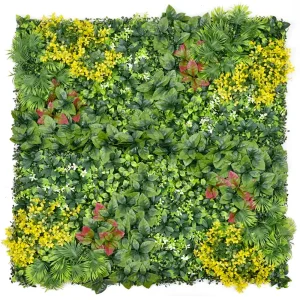
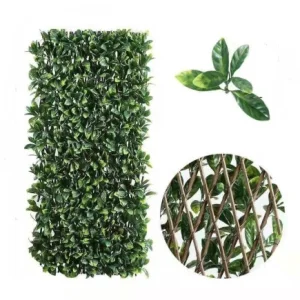
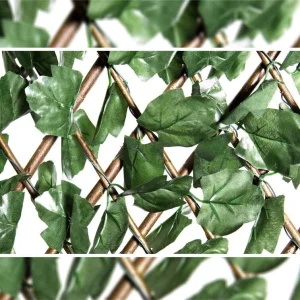
Explore our supporting landscaping products, joining tapes, vertical green walls, and decorative panels designed to complement your main turf installations.
Clear, technical answers to common queries regarding football turf specifications, selection, and logistics.
For standard competitive football fields, a pile height of 40mm to 60mm is recommended. The density (stitch rate) typically ranges from 9,000 to 10,500 stitches per square meter. Yarns are made of UV-stabilized Polyethylene (PE) with a thickness (Dtex) between 8,800 and 16,000 to ensure resilience under footwear cleats.
WHDY utilizes specialized quality control workflows across our facilities in Shandong and Hebei. Every batch undergoes accelerated wear tests (Lisport), UV exposure verification, and tensile strength checks before packaging and shipping.
Yes, Polyurethane (PU) backing is generally superior for sports fields. It exhibits stronger tuft lock, is not affected by moisture absorption, and does not degrade when exposed to standing water, unlike traditional Latex coatings.
A properly installed, FIFA-compliant turf field using premium polymers can expect an average functional lifespan of 8 to 10 years with basic maintenance (regular brushing and infill redistribution).
Yes. WHDY's latest development phase integrates 100% recyclable thermoplastic materials. This allows the entire turf structure (backing and grass blades) to be melted down together, eliminating difficult separation processes during recycling.
 Deyuan Industry