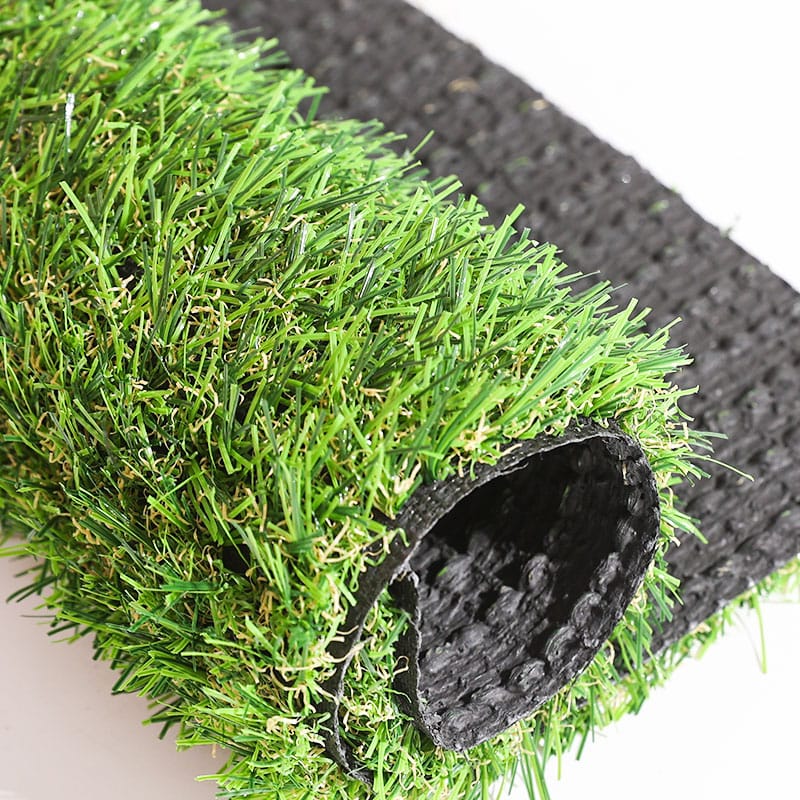
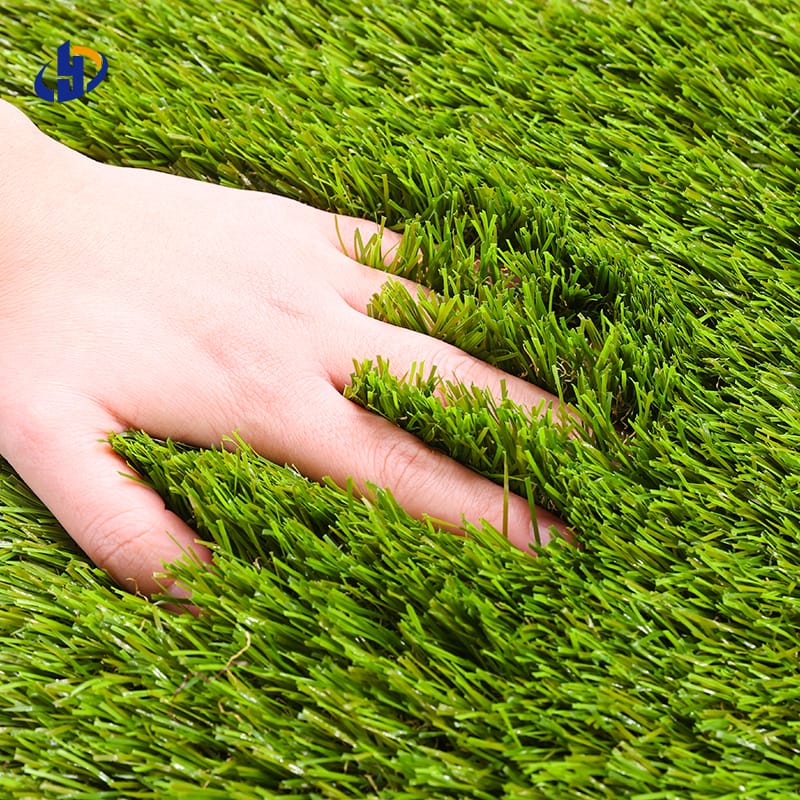
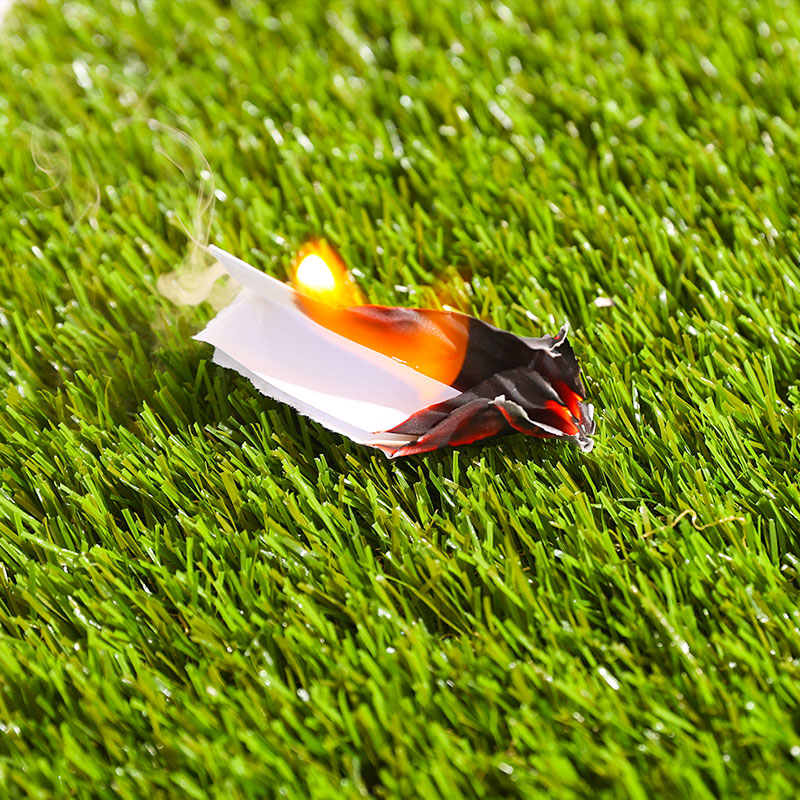
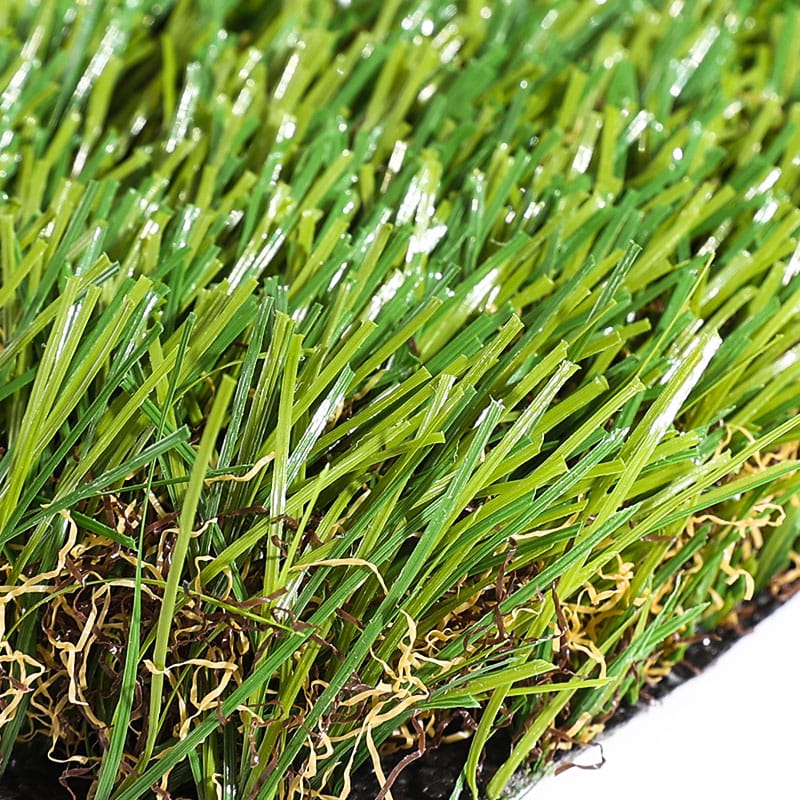
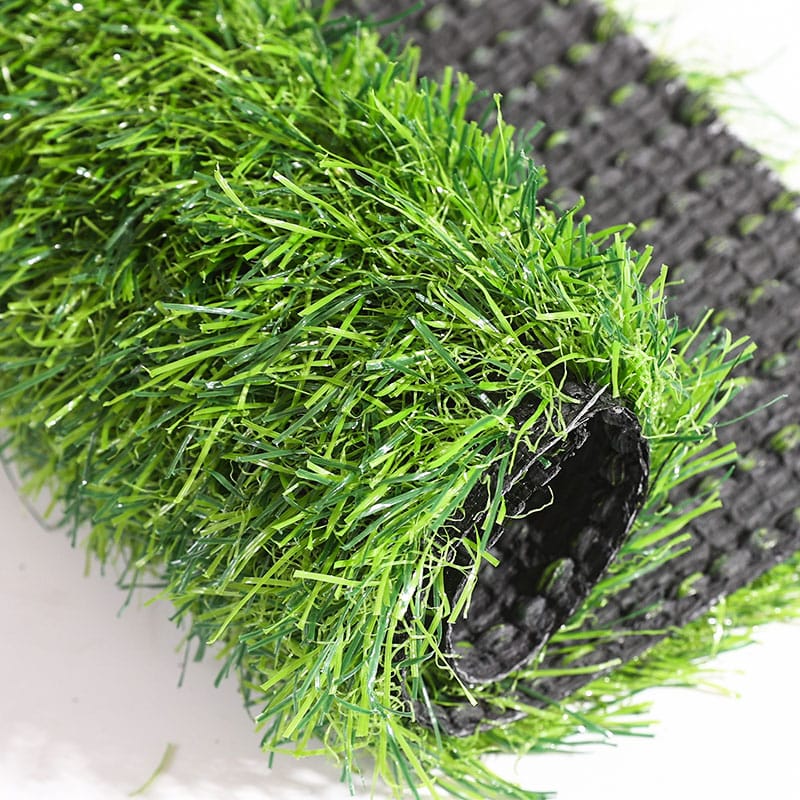
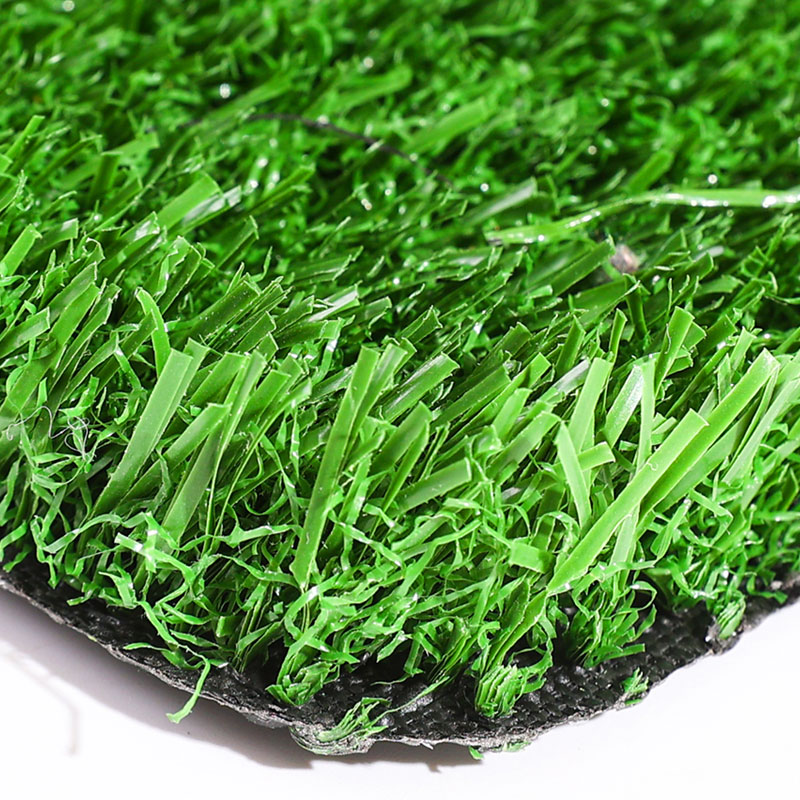
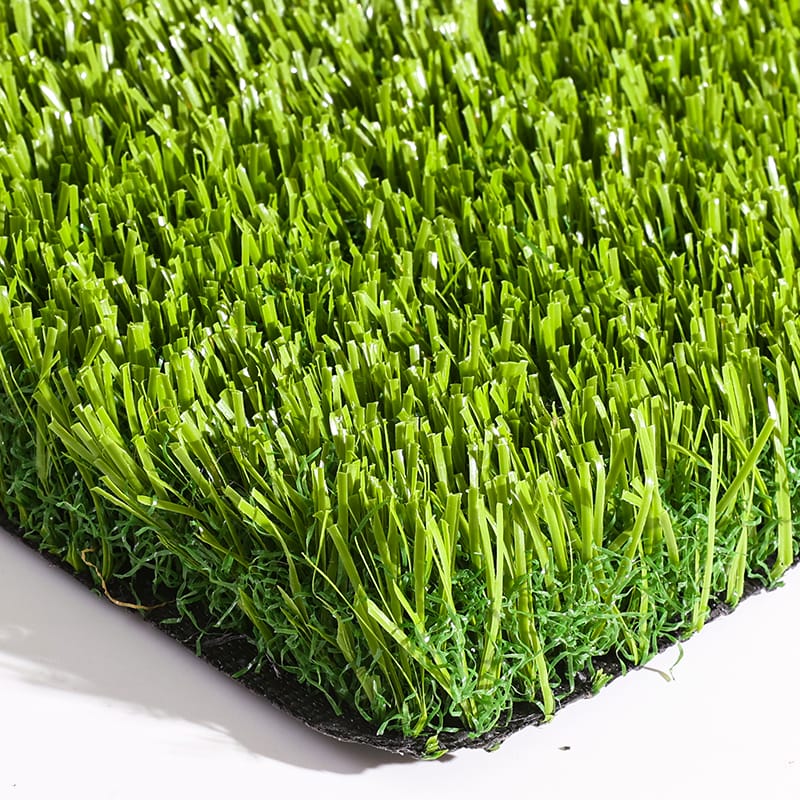
The global football artificial grass market has witnessed a paradigm shift over the last decade. As urbanization accelerates and climate patterns become more unpredictable, the demand for resilient, all-weather sports surfaces has skyrocketed. High-quality football artificial grass manufacturers are no longer just producing "plastic grass"; they are engineering sophisticated sports systems that replicate the biomechanical properties of natural turf.
Europe and North America remain the largest consumers, but the Middle East and Asia-Pacific regions are seeing the fastest growth due to water scarcity and massive sports infrastructure investments.
Industry standards are now governed by the FIFA Quality Programme, which ensures that synthetic pitches provide optimal ball bounce, player safety, and skin friction parameters.
Municipalities, professional clubs, and educational institutions are increasingly opting for "3G" and "4G" pitches to maximize field usage hours without the downtime of natural grass recovery.
In today's industrial context, factories are focusing on vertical integration. From extrusion of polyethylene (PE) monofilament yarns to advanced primary and secondary backing applications, the technical complexity of manufacturing has increased. Weihai Deyuan Network Industry Co., Ltd. sits at the forefront of this evolution, bridging the gap between high-end manufacturing and global distribution.
Modern football artificial grass factories are transitioning toward a circular economy model. This involves the use of 100% recyclable polyolefin materials, ensuring that at the end of its 8-10 year lifecycle, the pitch can be fully re-processed into new turf products or industrial components.
Heat retention was historically a drawback of synthetic turf. New innovations like infrared-reflective pigments and moisture-retaining infills allow for surface temperatures that are 10-20 degrees cooler than traditional rubber-filled fields, enhancing player comfort in tropical and arid climates.
Advanced polymers now include built-in UV stabilizers that prevent the grass blades from becoming brittle under intense solar radiation. Additionally, anti-microbial treatments are being integrated into the yarn to ensure a hygienic playing environment for multi-use community facilities.
Global procurement specialists for sports flooring look for three main pillars: Durability, Cost-Efficiency, and Supply Chain Stability. China, as the world's manufacturing hub, offers unparalleled advantages in the synthetic turf sector.
Supply Chain Integration: Unlike many assembly-only factories, Chinese manufacturers benefit from proximity to raw material suppliers (polymers, backings, and adhesives). This integration allows for rigorous quality control at every stage of the tufting and coating process.
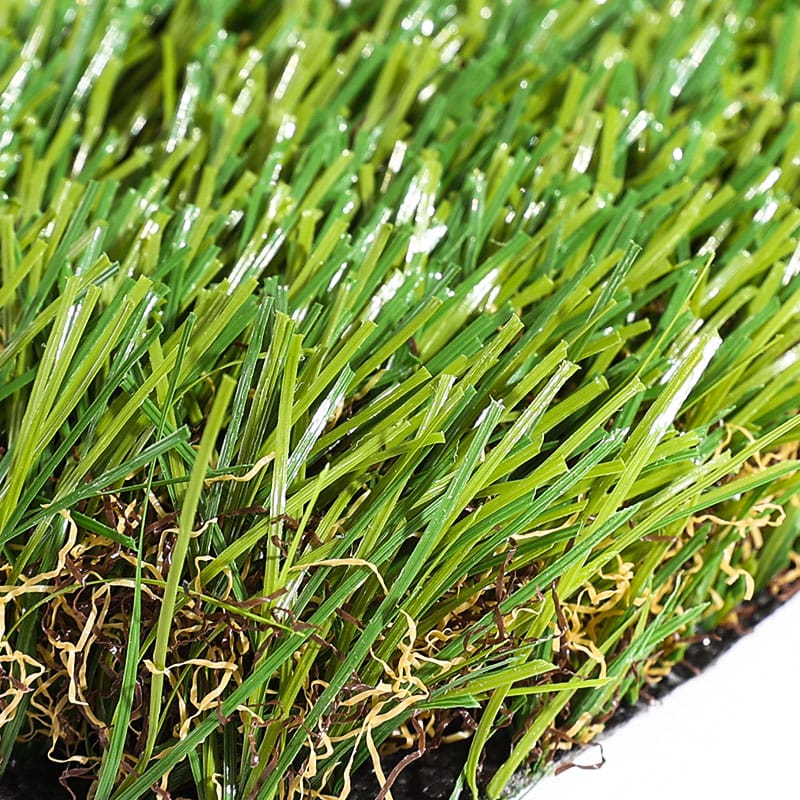
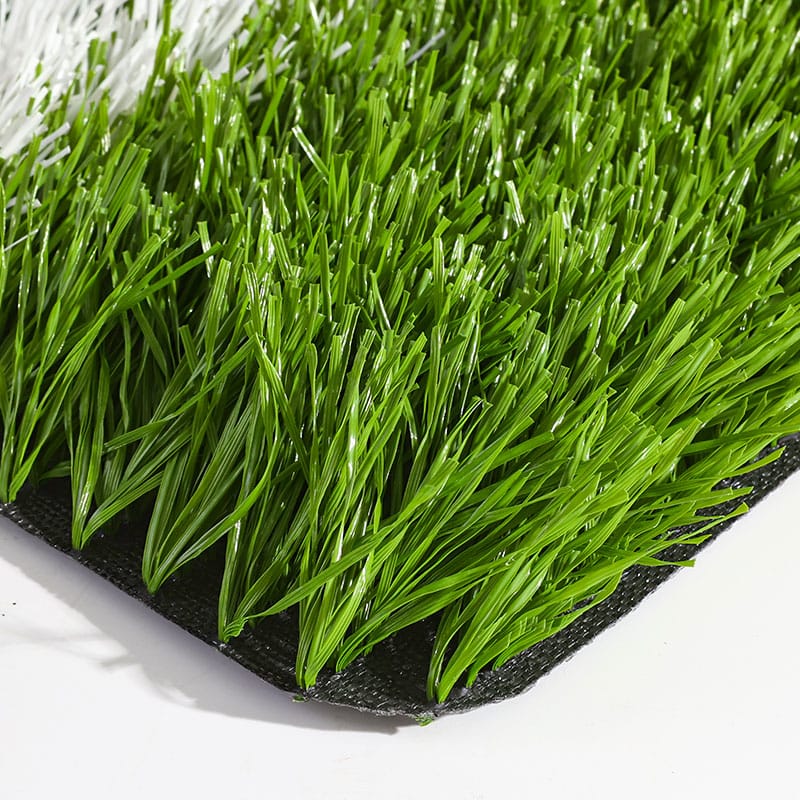
Customization (OEM/ODM): Whether you need a 50mm diamond-shaped monofilament for a professional stadium or a 20mm fibrillated yarn for a school playground, our factories in Shandong and Hebei can customize the Dtex, density, and pile height to meet specific budget and performance requirements.
In high-density urban areas, natural grass cannot survive the constant foot traffic of community football. Our high-density sports turf provides a 24/7 solution that remains green and level regardless of usage frequency.
In regions like the Middle East or North Africa, water conservation is critical. Switching a single football field to artificial grass saves millions of gallons of water annually, making it the most ecological choice for arid climates.
Modern professional clubs require indoor facilities for winter training. Our turf is designed with low-friction coatings to prevent "turf burn" during sliding tackles and high-intensity drills.
When communicating with factories, it is vital to understand the technical jargon that dictates the quality of your football pitch. At Weihai Deyuan, we educate our clients on several key factors:
By optimizing these parameters, we ensure that every square meter of turf produced meets the industrial rigor required for modern sports. Our cooperation with plants across China allows us to source the highest grade polymers, ensuring UV resistance that exceeds 6,000 hours of accelerated weathering tests.
Weihai Deyuan Network Industry Co., Ltd. is an experienced company which focuses on the trade of Artificial Grass and Artificial plants. Our mission is to provide global markets with high-performance, aesthetically pleasing, and durable synthetic solutions.
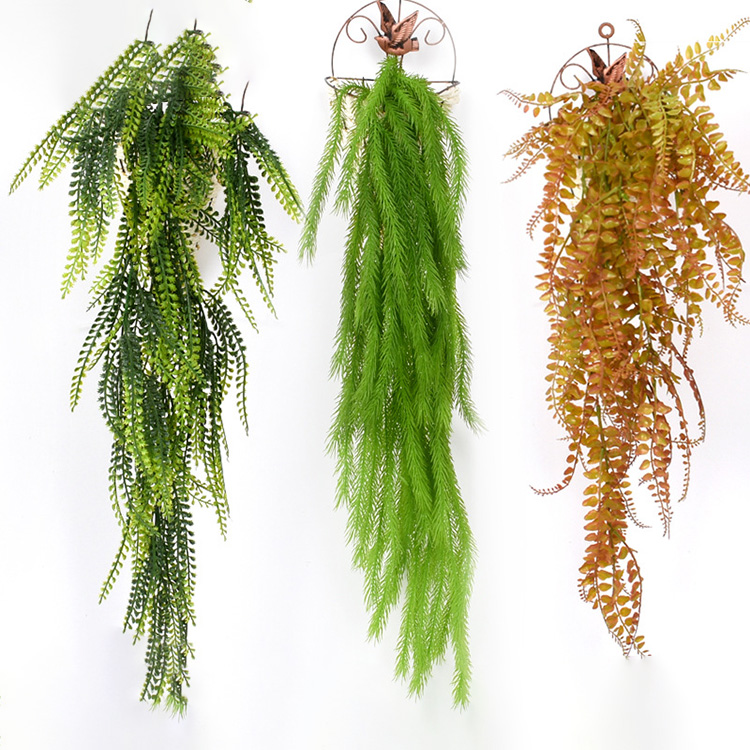
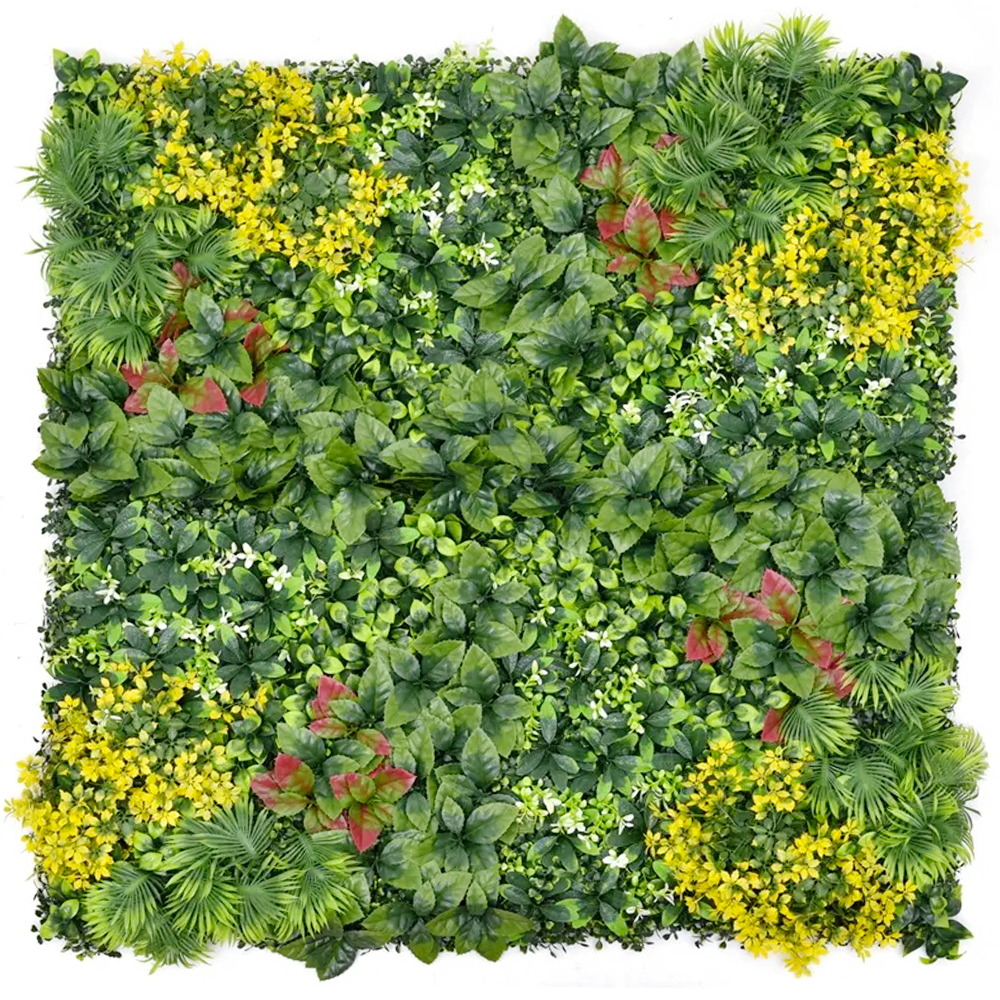
The mainly products are Landscaping Grass, Sports Grass, Artificial Hedge, Expandable willow trellis. Our headquarters of import and export company located in Weihai of Shandong Province, China. WHDY has two main cooperative Production Plants zone. One is located at Hebei Province. The other one located at Shandong Province. In addition, our cooperative factories all over Jiangsu, Guangdong, Hunan and other provinces.
This multi-regional production network allows us to provide a diverse range of price points and technical specifications, making us a versatile partner for large-scale industrial projects and smaller commercial installations alike.
Choosing the right Football Artificial Grass Manufacturer is a decision that impacts the safety of athletes and the ROI of facility owners. By focusing on high-quality materials, advanced manufacturing processes, and sustainable trends, Weihai Deyuan Network Industry Co., Ltd. ensures that every field we supply is built to last. From professional sports complexes to high-end residential landscaping, our synthetic turf solutions represent the pinnacle of modern industrial design and technological innovation.
Contact us today to learn more about our factory-direct wholesale options and how we can support your next large-scale sports flooring project with high-quality, China-manufactured artificial grass.
 Deyuan Industry