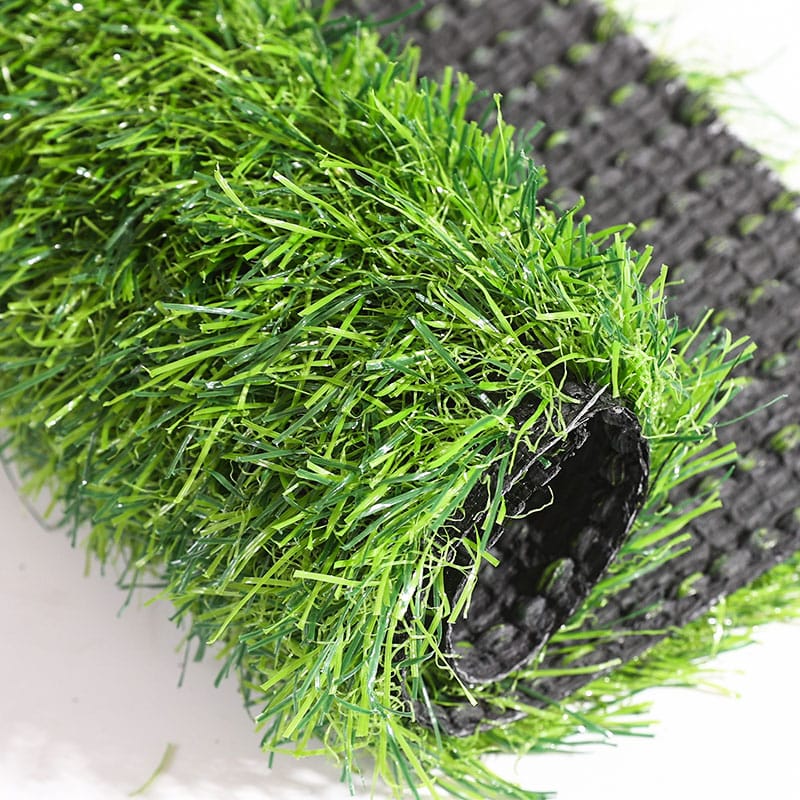
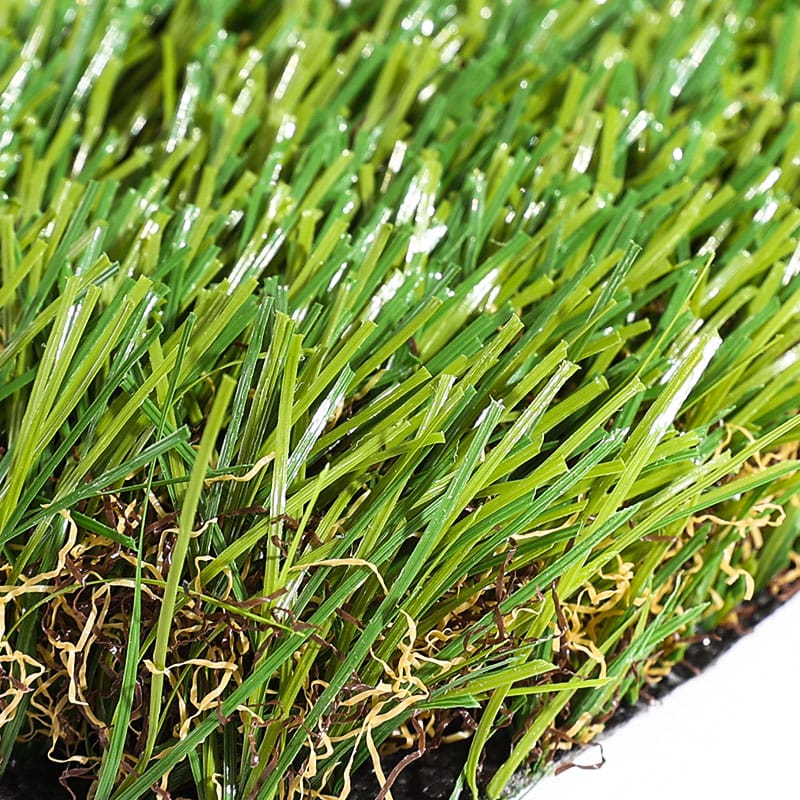
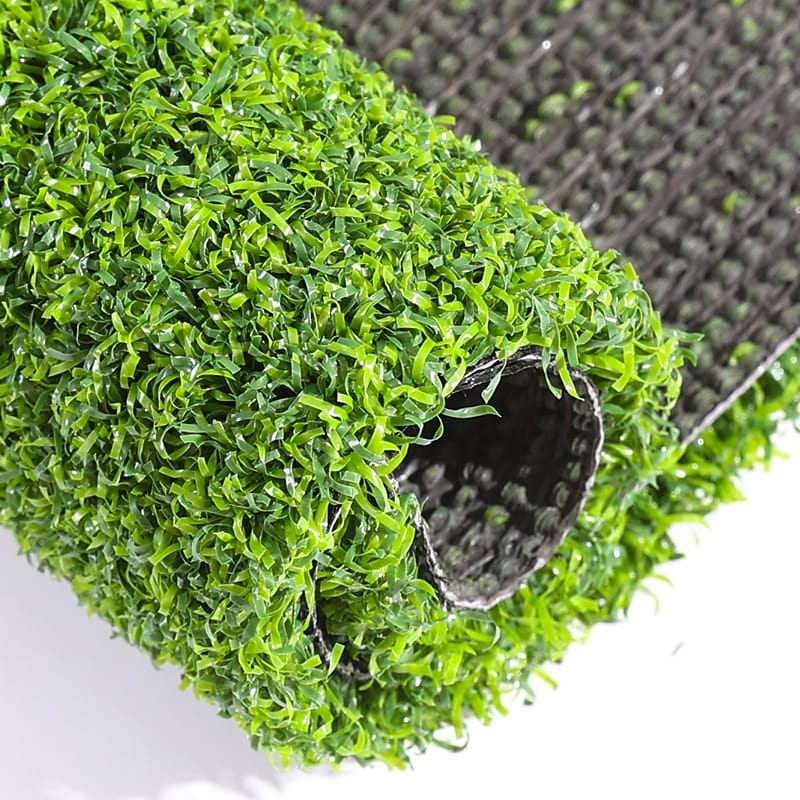
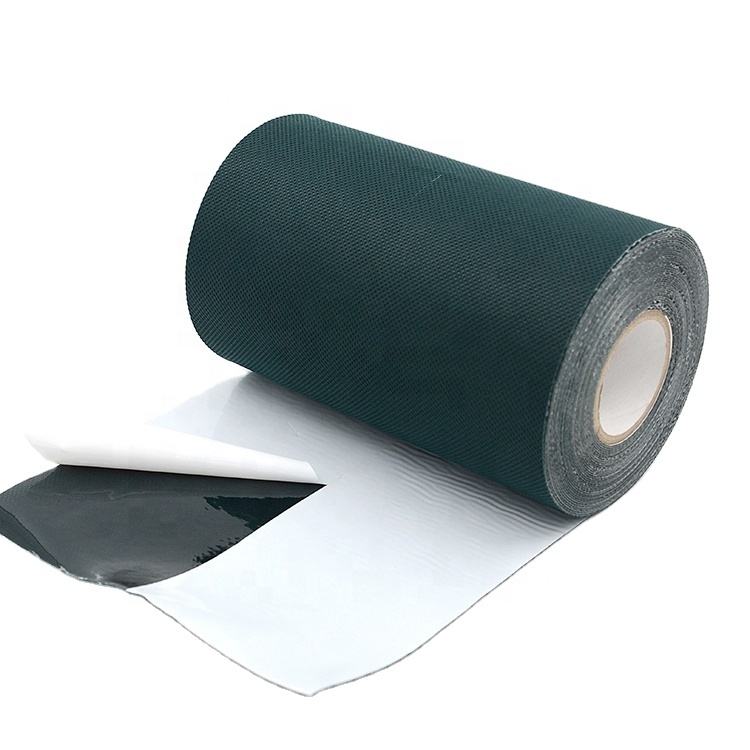
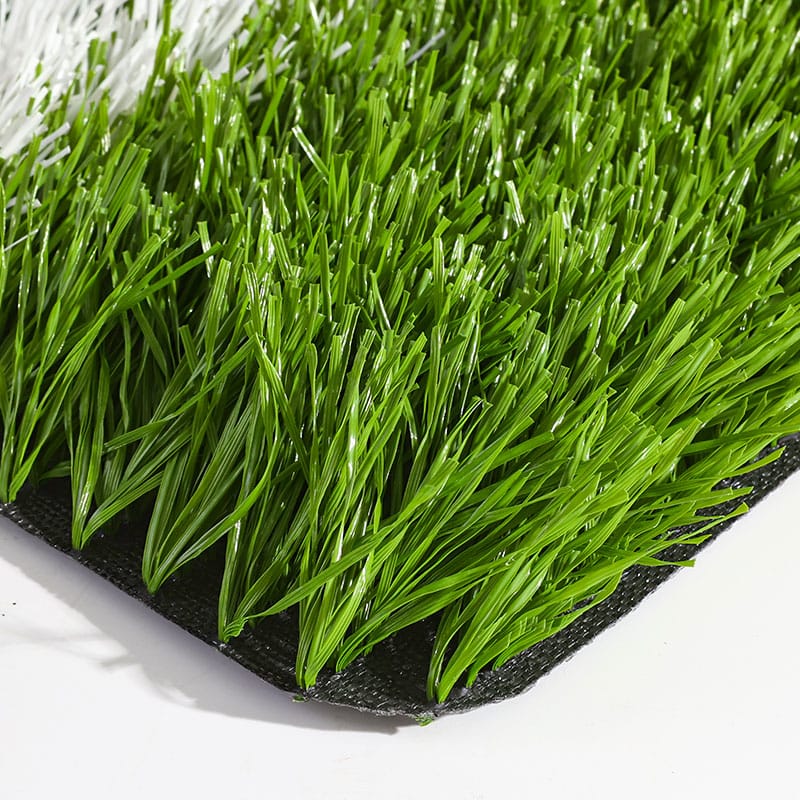
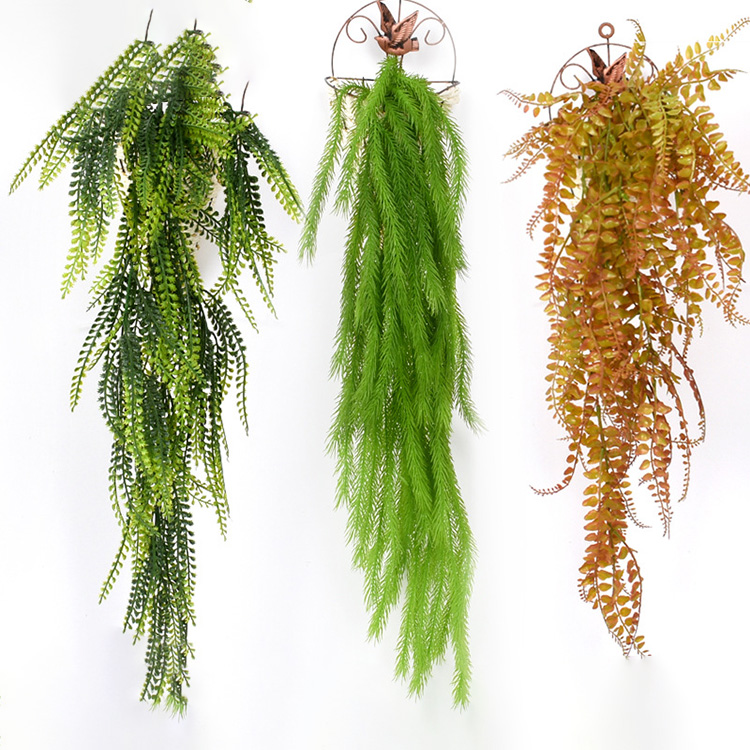
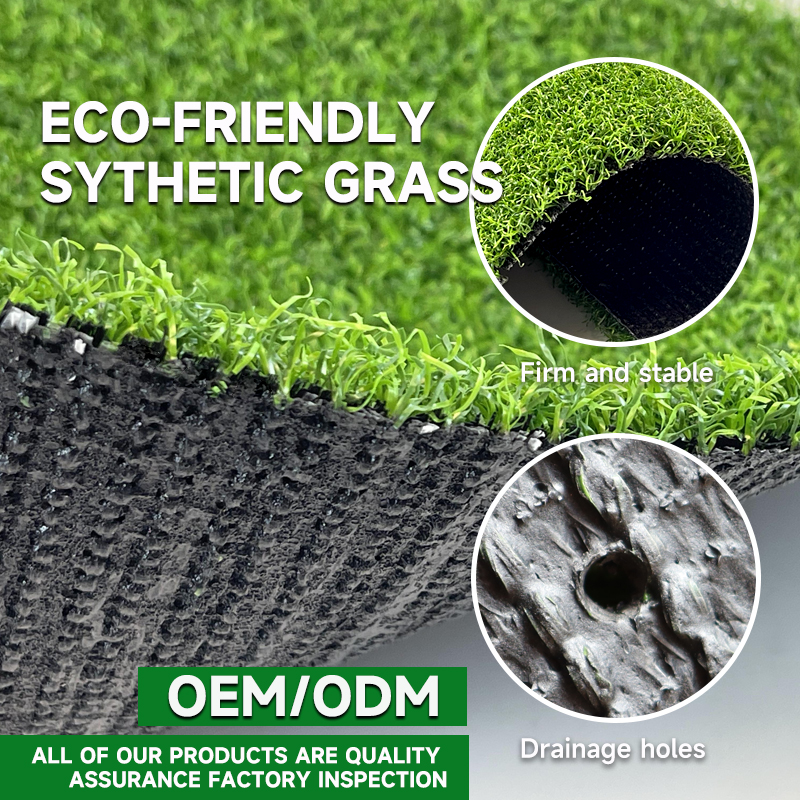
The global artificial turf market is undergoing a massive transformation, driven by the increasing demand for high-performance sports surfaces that can withstand heavy usage and extreme weather conditions. Artificial turf stadium grass has moved beyond simple aesthetics to become a high-tech engineering solution for modern sports infrastructure.
FIFA, UEFA, and other international sports bodies have established strict quality standards, making synthetic turf a legitimate and often preferred alternative to natural grass for professional stadiums.
In regions like the Middle East and California, the shift to synthetic turf is driven by environmental necessity, saving millions of gallons of water annually while maintaining a green appearance.
As cities densify, the need for multi-use sports areas that can handle back-to-back training sessions without recovery time has skyrocketed the demand for stadium-grade turf.
Current industrial data suggests a compound annual growth rate (CAGR) of over 6% for the sports turf segment. Manufacturers are no longer just "weaving plastic"; they are innovating with polymer science to reduce heat retention and enhance ball-roll dynamics.
The next decade of Wholesale Artificial Turf production will be defined by three key pillars: Sustainability, Player Safety, and Performance Analytics.
Traditional turf often ended up in landfills. The new trend is 100% recyclable turf systems. Using TPE (Thermoplastic Elastomer) infills and bio-based PE fibers, manufacturers are creating products that can be fully repurposed at the end of their 10-15 year lifecycle.
One major hurdle for stadium grass was surface temperature. Advanced AI-designed fiber shapes (like C-shape or Diamond-shape) and specialized infrared-reflective pigments are now reducing surface temperatures by up to 20°F compared to standard synthetic grass.
Future stadium surfaces are being designed to integrate with sensor technology. While still in early industrial phases, the backing of the turf is being optimized to accommodate under-layer electronics that track player performance and impact data in real-time.
Procurement officers and facility managers worldwide are seeking more than just a product; they are seeking comprehensive "Sports Surface Systems."
High-density, 50mm-60mm pile height football grass with FIFA Quality Pro certification requirements. Focus on shock absorption and skin abrasion resistance.
Multi-sport versatility for schools and universities. These projects require durability for football, rugby, and recreational play on a single surface.
Indoor soccer centers and "5-a-side" pitches. Focus is on easy maintenance, fast drainage, and consistent ball bounce for high-frequency rental use.
As a leading China Artificial Turf Manufacturer, Weihai Deyuan Network Industry Co., Ltd. bridges the gap between high-end quality and cost-efficiency.
With multiple production zones across Hebei, Shandong, and Jiangsu, we control the entire process from polymer extrusion to final tufting and backing.
Our collaborative factories employ AI-driven quality control to ensure every roll of stadium grass meets tension and durability benchmarks consistently.
Located in the coastal city of Weihai, we offer superior shipping advantages, reducing transit times and costs for our international wholesale partners.
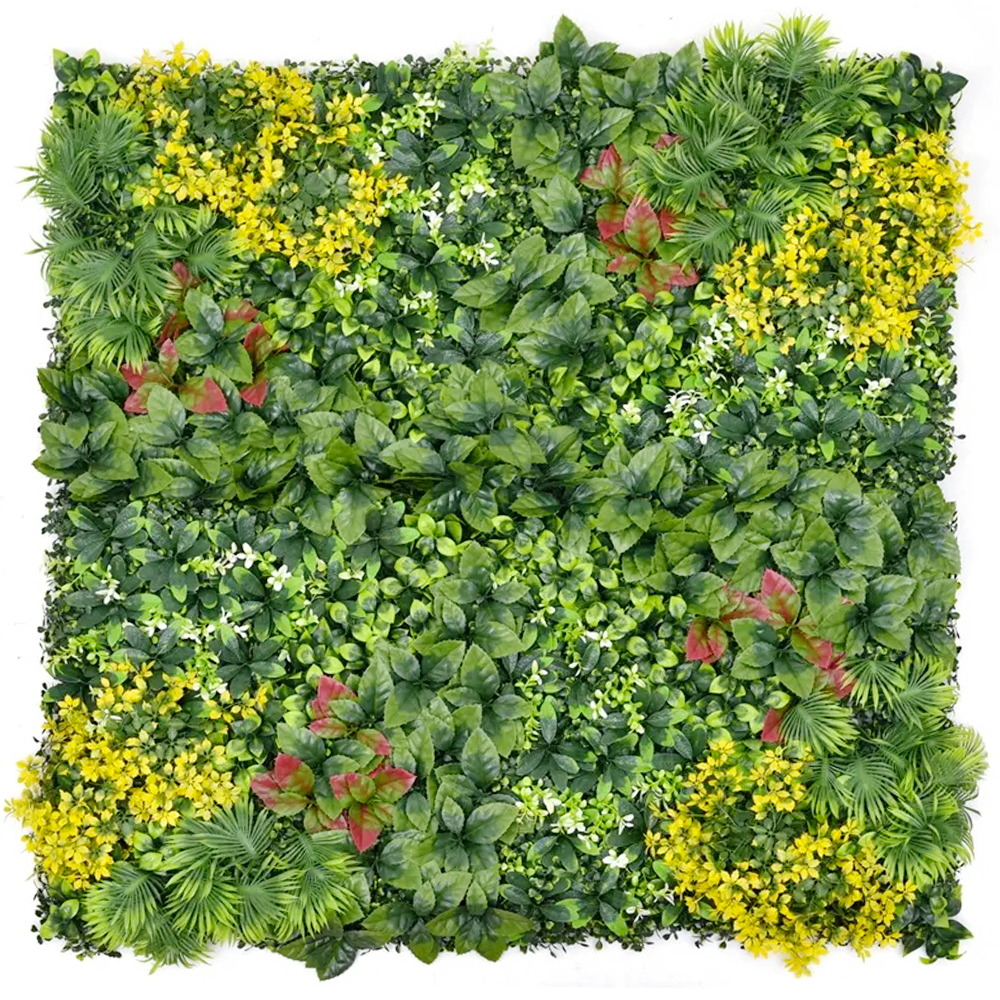
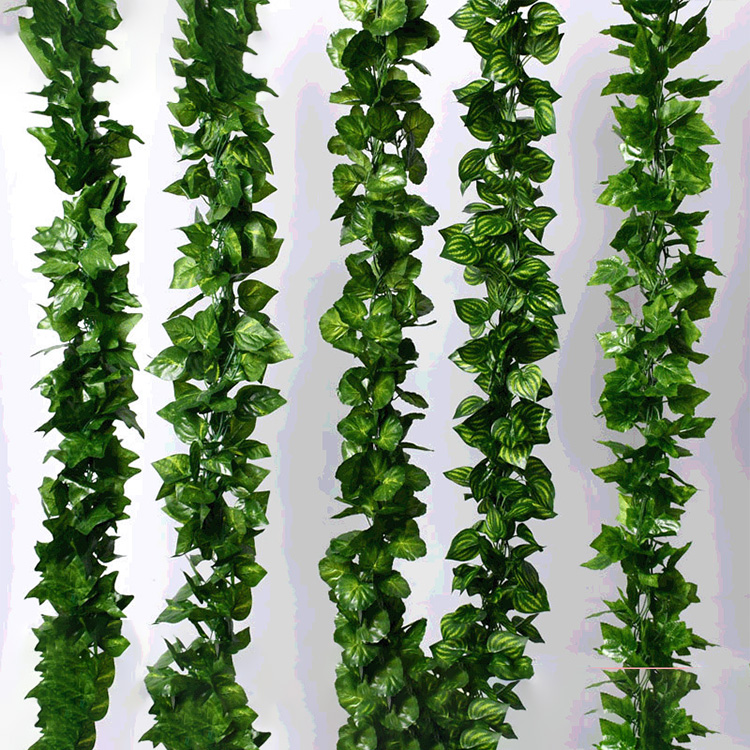
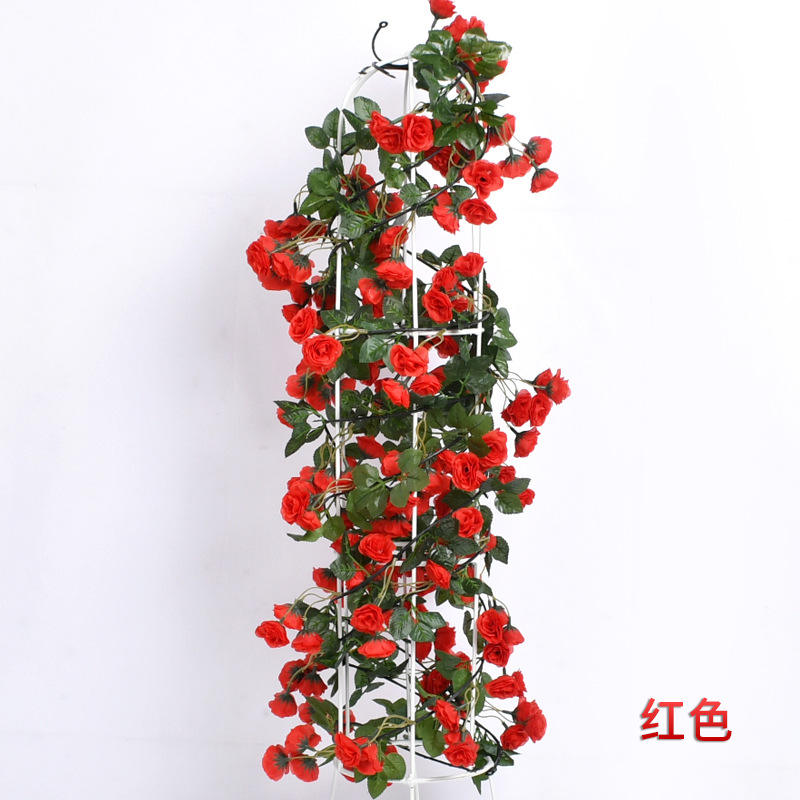
Weihai Deyuan Network Industry Co., Ltd. is an experienced company which focuses on the trade of Artificial Grass and Artificial plants.
The mainly products are Landscaping Grass, Sports Grass, Artificial Hedge, Expandable willow trellis. Our headquarters of import and export company located in Weihai of Shandong Province, China. WHDY has two main cooperative Production Plants zone. One is located at Hebei Province. The other one located at Shandong Province. In addition, our cooperative factories all over Jiangsu, Guangdong, Hunan and other provinces.
 Deyuan Industry