Choosing the best synthetic grass starts with how the area will actually be used. A shaded dog run, a sunny play area, and a decorative front lawn need different pile heights, backing, drainage, and resilience. The phrase “Artificial Grass Synthetic” may appear in product searches, but a label alone says little about performance. Look for clear specifications and evidence that match your site.
Water savings can matter, but claims need context. The U.S. Environmental Protection Agency’s WaterSense program reports that outdoor use accounts for about 30% of household water use nationwide, with landscape irrigation a major contributor. Replacing natural grass may reduce irrigation, though the actual savings depend on climate, existing watering habits, and cleaning needs. Synthetic turf is not maintenance-free. It can retain heat, collect debris, and need occasional rinsing.
For sports surfaces, FIFA’s Quality Programme for Football Turf assesses properties such as ball interaction, player-surface interaction, and durability. Those tests offer useful context, but a sports specification may not suit a small garden or pet area. Check the product’s drainage rate, fiber material, face weight, UV resistance, warranty terms, and installation requirements. Ask for test documentation, not just a sales claim. There is no universal best choice. Compare samples in daylight, feel the backing, and consider how the surface performs after rain. One detail is easy to miss: the right grass still depends on a well-prepared base.
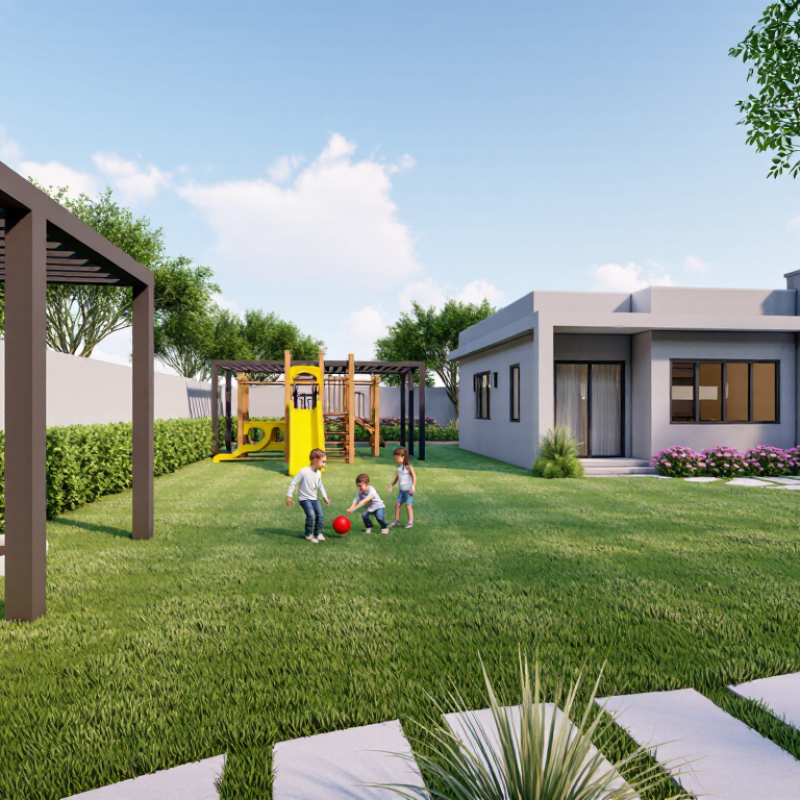
Start with how the area will be used. A quiet patio, a dog run, and a children’s play space place different demands on synthetic grass. For frequent play, look for a surface designed for repeated foot traffic, with suitable cushioning and secure seams. For pets, consider drainage, easy rinsing, and whether the infill suits your cleaning routine. There is no single ideal pile height; a soft, tall lawn may look inviting but can be harder to brush upright.
Then assess the site itself. Check whether the ground is compacted or uneven, where rainwater flows, and how much direct sun reaches the area. Drainage matters. In sunny locations, artificial grass can become hot underfoot, so shade and planned access can make a real difference. The U.S. Environmental Protection Agency reports that outdoor water use accounts for about 30% of household water use nationwide, and can reach 60% in arid regions. That figure is a useful prompt to consider water needs, not a guarantee of savings for every property.
Choosing synthetic grass starts with the fibers. Polyethylene usually feels softer under bare feet and suits patios or play areas. Polypropylene is often used for thatch, adding color variation beneath the blades. Nylon fibers tend to resist flattening, though they can feel firmer. Touch a sample rather than trusting photos. Feel the difference.
Pile height changes both appearance and upkeep. Shorter blades can look neat and are easier to brush clean, especially near outdoor dining areas. Taller blades create a fuller look, but may lean after regular foot traffic. Density matters too: closely packed stitches can help the surface look lush and cover the backing. Still, density figures are useful only when comparing products of similar construction. Check the sample from several angles, then part the blades with your fingers to see how much backing shows.
A practical test is to place samples in sunlight and shade, then walk across them in the shoes you actually wear. Notice whether the fibers spring back, feel scratchy, or hold heat. There is no perfect specification sheet; a dense, tall pile may look inviting but require more brushing. The right balance depends on traffic, comfort, drainage, and how much maintenance you will realistically do.
How to Choose the Best Synthetic Grass for Your Needs?
Assess Drainage, Backing, and Infill Options
Good synthetic grass starts below the blades. Check how quickly water can pass through its backing, especially if the lawn sits over compacted soil or gets heavy rain. Look for evenly spaced drainage holes, not just a few openings near the edges. A simple hose test on a sample can reveal slow runoff. Still, a small sample cannot predict every yard.
Tips: Pour water over a sample and watch for pooling. Ask how the backing performs on your type of base. Small details matter.
Backing affects stability, drainage, and how well the grass handles regular use. A strong backing may suit a busy play area, but installation and base preparation matter just as much. Infill helps support the blades and can add weight or cushioning. Silica sand is a common option; other infills may be designed for extra softness or odor control. Compare maintenance needs, heat retention, and how easily infill shifts. I once focused too much on blade height and overlooked drainage. That was a useful mistake. Choose based on your site, not appearance alone.
| Decision factor | Option or typical range | Best suited to | Benefits and trade-offs | What to check before buying |
|---|---|---|---|---|
| Drainage design | Perforated backing with drainage holes | Most lawns installed over a permeable, properly prepared base | Allows water to pass through the backing at the holes; drainage also depends on the base and subsoil. | Ask for the tested drainage rate and test method. Confirm that the sub-base has suitable grading and a route for water to drain away. |
| Drainage design | Fully permeable backing | Areas where rapid water passage through the turf layer is a priority | Water can pass through a more continuous permeable backing; it cannot compensate for a compacted or poorly draining base. | Compare documented flow-test results for the complete turf product, and check whether the installation surface can accept that flow. |
| Backing construction | Primary backing plus a secondary coating or layer | General residential and landscape use | The backing holds the yarn tufts in place. Coatings can improve tuft retention, but backing design affects flexibility and drainage. | Check tuft bind, backing construction, seam requirements, and whether the drainage openings remain unobstructed after installation. |
| Pile height | About 20–30 mm: shorter; 30–40 mm: medium; above 40 mm: longer and more plush | Shorter piles suit a tidier, lower-profile look; medium piles balance appearance and upkeep; longer piles create a softer, fuller look. | Longer fibers may need more brushing to stay upright. Pile height alone does not indicate durability or drainage. | Assess a sample in person and compare fiber shape, density, and recovery after being compressed. |
| Silica sand infill | Rounded or specially graded sand placed between fibers | Many general-purpose lawns | Helps support the fibers and add weight. The appropriate amount depends on the turf construction and installation instructions. | Use the specified grain type and application rate. Keep infill below the fiber tips as directed, and avoid blocking drainage holes. |
| Coated sand infill | Sand particles with a protective coating | Installations where reduced dust or easier cleaning is a priority | The coating may help limit dust compared with uncoated sand; performance and cleaning needs vary by product. | Review the coating material, care instructions, and compatibility with the turf. Do not assume it prevents heat buildup. |
| Crumb rubber infill | Granulated recycled rubber, where permitted and appropriate | Some sports or recreational surfaces designed for rubber infill | Can provide resilient cushioning, but may move, retain heat, or require specific maintenance. Suitability depends on the application and local requirements. | Check applicable regulations, material information, containment, and the turf maker’s recommended infill system. |
| Organic infill | Plant-based materials formulated for turf use | Some residential or pet areas where an alternative to mineral or rubber infill is desired | Composition and performance vary; some products may need more frequent replacement or maintenance than mineral infill. | Confirm the material, expected service life, cleaning guidance, and compatibility with pets, climate, and drainage design. |
| Pets and frequent use | Prioritize documented drainage, durable tuft retention, and a cleanable infill system | Pet runs and busy family areas | Good drainage and regular rinsing can help with cleaning, but turf does not eliminate the need to remove waste or manage odors. | Check cleaning instructions, drainage test data, seam durability, and whether the base is designed to drain rather than hold contaminated water. |
| Installation base | Stable, compacted, free-draining aggregate base, selected for the site | Most ground-level installations | A correctly built base supports the turf and directs water away. Soil type, slope, and local rainfall affect the design. | Have the installer assess grading, soil conditions, runoff, and any needed drainage outlet; turf backing alone cannot solve site drainage problems. |
Note: Drainage performance depends on the turf, infill, installation base, and site conditions. Use product-specific test data and installation guidance when comparing options.
Choosing synthetic grass starts with how people will use it, but safety deserves an equally close look. Ask for documentation on material testing, flame behavior, and drainage rather than relying on a product label alone. If children or pets use the area, check that the surface drains well and that infill stays contained. On a warm afternoon, dark turf can become uncomfortable under bare feet. Shade and a small sample test can reveal more than a showroom photo. That matters.
Durability depends on traffic, weather, and installation. For a busy walkway, compare fiber resilience and backing strength; a very tall, soft pile may flatten faster under repeated steps. UV-resistance details are useful in sunny yards, though no surface stays new forever. It is easy to overvalue appearance. Think about the muddy shoes, chair legs, and dog runs the lawn will actually face.
Maintenance Maintenance should fit your routine. Leaves can be lifted with a soft rake, while occasional rinsing helps remove dust and spills. Brushing against the pile can revive flattened areas, but harsh tools may damage fibers. Check the manufacturer’s care instructions before using cleaners. Small upkeep is manageable; neglected debris is less so. Some lawns need more attention than expected.
Synthetic grass prices should be compared as complete installed costs, not just by the square foot. Ask for separate figures for ground preparation, base material, infill, edging, and labor. A quote that skips drainage work may look cheaper, then lead to puddles after a heavy shower. Small print matters.
Warranties vary in what they cover. Check the term, fading limits, and whether seams, backing, or installation problems are excluded. Some warranties require specific cleaning or maintenance, so ask what records you need to keep. Get the answers in writing. A long warranty can sound reassuring, but it is only useful when its conditions fit your yard and expected use.
Product quality is easier to judge with a physical sample. Look at the backing and drainage holes, and gently pull the fibers to check how firmly they are secured. Compare pile height and density, but remember that a fuller surface may cost more and feel warmer in direct sun. Feel the sample. View it outdoors at midday and in shade; color can look different under store lighting. I would not assume the lowest price is a mistake, though I would ask what has been left out. That question can feel awkward, but it often clarifies the real comparison.
How to read this chart: Bars show the midpoint of indicative installed-cost ranges per square foot; the line shows a representative warranty length. Economy, mid-range, and premium are broad product categories, not standardized grades.
Typical installed ranges are approximately $5–$8, $8–$12, and $12–$20 per sq. ft., respectively; actual prices vary with location, turf choice, site preparation, drainage, and installation. Compare warranty exclusions and surface details—such as pile height, face weight, and backing—as well as price. Longer pile or a longer warranty alone does not guarantee better performance.
Polyethylene usually feels softer, making it a practical choice for patios and play areas. Touch a sample first.
Short blades look neat and are easier to brush clean. Taller blades appear fuller but may lean under regular foot traffic.
Compare products with similar construction. Part the blades with your fingers and check how much backing shows.
Place samples in sun and shade. Walk across them in your usual shoes and notice heat, texture, and spring-back.
Ask for material testing, flame behavior, and drainage documentation. If children or pets use the area, check that infill stays contained.
Dark turf can become uncomfortable under bare feet on warm afternoons. Try a small sample outdoors; a showroom photo cannot show heat.
Compare fiber resilience and backing strength. A tall, soft pile may flatten faster under repeated steps.
Lift leaves with a soft rake and rinse away dust or spills occasionally. Brush flattened areas carefully, and check care instructions before using cleaners.
UV resistance can help in sunny yards, but no surface stays new forever. Muddy shoes, chair legs, and pet runs leave their mark.
Choosing the best synthetic grass begins with understanding how and where it will be used. Consider whether the area is intended for play, pets, relaxation, or decoration, and assess its exposure to sunlight, foot traffic, weather, and soil conditions. Then compare fiber materials, pile height, and density: these affect the lawn’s appearance, softness, resilience, and suitability for different activities. Artificial Grass Synthetic options vary, so focus on the features that match your site rather than choosing by appearance alone.
Also examine the backing and drainage system to help water pass through, and decide whether an infill is appropriate for comfort and stability. Check safety, expected durability, and the routine cleaning required to keep the surface in good condition. Finally, compare total costs, warranty coverage, and product specifications. A thoughtful balance of performance, maintenance, and value can help you select a lawn that meets your needs over time.

Deyuan Industry