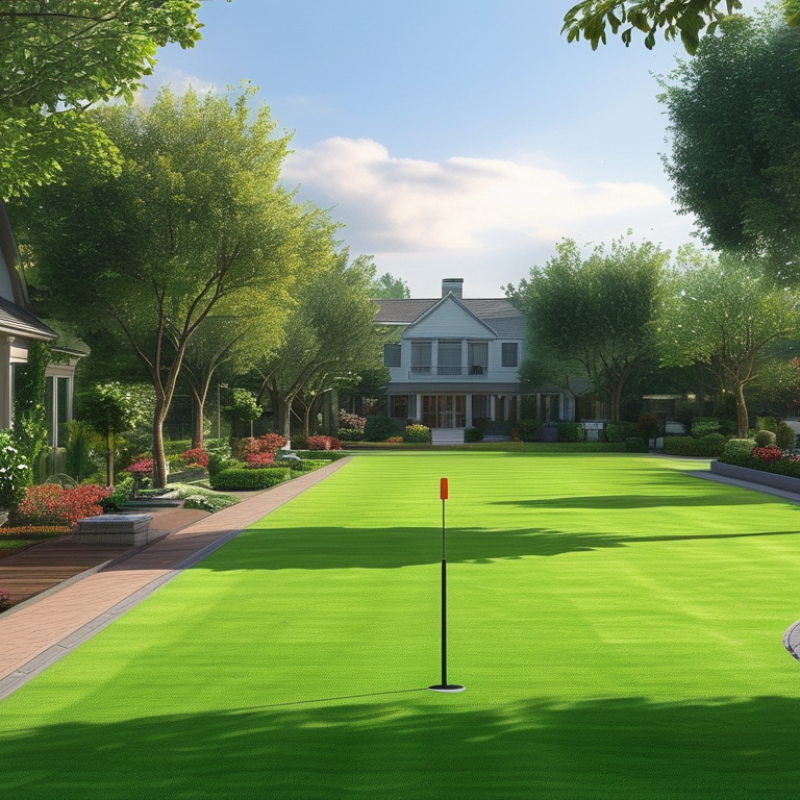
Choosing the right synthetic artificial grass is vital for both aesthetics and functionality. With numerous options available, the decision can be overwhelming. Understanding your specific needs is essential. Quality, durability, and appearance play crucial roles in the selection process.
Synthetic artificial grass offers unique benefits for different applications. Whether for a home lawn, sports field, or playground, each type has distinct characteristics. It's important to consider the environmental factors and maintenance requirements. Some grasses require infill, while others do not.
Reflecting on your choice may reveal what truly matters to you. Is visual appeal a priority, or is durability more critical? Each option comes with trade-offs. Conduct thorough research to find a product that meets your expectations. Trustworthy reviews and expert opinions will guide your choices in this expansive market.
When choosing synthetic grass, understanding the types and materials available is crucial. There are several options on the market. Common materials include polyethylene, polypropylene, and nylon. Each material offers different benefits, such as durability and aesthetics. Polyethylene is soft and ideal for residential lawns. It mimics natural grass well and feels pleasant underfoot.
Nylon is the strongest option but can be costly. It's suitable for high-traffic areas, like sports fields. Polypropylene is affordable but less durable, making it better for temporary installations. It's wise to weigh the intended use against the material costs.
Many customers overlook the importance of UV resistance and drainage capabilities. Without proper drainage, water can pool on the surface, leading to mold. Poor UV resistance can cause fading over time. Consider these aspects when making a choice. It's better to invest in quality materials than to face costly replacements later. If you feel uncertain, consulting with a professional can provide clarity.
| Type of Synthetic Grass | Materials Used | Durability | Ideal Use | Cost per Square Foot |
|---|---|---|---|---|
| Nylon | Nylon yarns, UV stabilizers | Very high (8-10 years) | High-traffic areas, sports fields | $3.50 - $5.00 |
| Polypropylene | Polypropylene fibers, UV protection | Low (5-7 years) | Residential lawns, light use | $1.50 - $3.00 |
| Polyethylene | Polyethylene fibers, UV inhibitors | Moderate (7-15 years) | Backyards, playgrounds | $2.00 - $4.00 |
| Blended | Combination of nylon and polyethylene | High (10-15 years) | Sports fields, versatile use | $2.50 - $4.50 |
When considering synthetic artificial grass, begin by assessing your specific needs. Residential applications often focus on aesthetics and comfort. Homeowners may prioritize soft textures for children and pets. They may want vibrant colors to enhance their landscape. A garden area could benefit from realistic grass that requires minimal upkeep.
In contrast, commercial applications demand durability and resilience. High foot traffic areas need grass that withstands wear and tear. Consider how the grass will be used. Will it support events, play areas, or landscaping? Durability is crucial in these scenarios. Businesses may require a product that can maintain its appearance over time. Reflecting on these differences will help pinpoint the best choice for your project.
Pricing can vary significantly based on the application type. Sometimes, the cheapest option may not suit long-term use. Look for quality materials that align with the frequency of use. It's essential to research different products available. Consulting with experts can provide valuable insights into the best features for your specific needs.
When selecting synthetic artificial grass, it's crucial to evaluate its durability. The lifespan of synthetic turf typically ranges from eight to fifteen years, depending on the quality and type of material used. Choosing a product with UV resistance can prevent fading and degradation from sunlight. Additionally, check the warranty provided by the manufacturer, as it can reflect the product's expected durability.
Maintenance requirements also influence the longevity of artificial grass. Regular brushing helps remove debris and prevents matting. Occasional rinsing is necessary to eliminate dust and ensure the turf remains clean. Some users may overlook these tasks, leading to a shorter lifespan. Understanding your willingness to commit to this upkeep is vital.
Installing synthetic grass requires thoughtful consideration. Assess your usage gradually. If the area sees heavy foot traffic, you might need higher durability options. Reflect on your lifestyle and how often you will maintain it. This insight will guide you to a choice best suited for your specific needs and circumstances.
This chart illustrates the estimated durability (lifespan in years) of various types of synthetic grass. Nylon is expected to last the longest, while polypropylene has a relatively shorter lifespan.
When choosing synthetic artificial grass, aesthetics play a crucial role. Color greatly impacts the overall appearance of the lawn. A vivid green shade might look fresh, but too bright can seem unnatural. Opting for a more muted, earthy tone often reflects nature better. It's essential to consider how the grass will blend with surrounding plants and structures.
Texture also affects realism. The feel of the grass underfoot matters. Some options mimic natural grass with a softer touch, while others might feel coarse. Examine the fiber types to find a balance between comfort and durability. A grass that looks good but feels scratchy won't satisfy over time.
Realism is further enhanced by the grass's ability to withstand wear. High foot traffic can quickly flatten fibers, diminishing its appearance. Look for products that promise resilience. However, not all grass is created equal; many options struggle to retain their shape. Regular maintenance can be tricky. It’s essential to weigh aesthetic appeal against practicality for long-term satisfaction.
When considering synthetic artificial grass, cost is a major factor. The initial investment can be significant, but it’s essential to weigh that against long-term benefits. Quality artificial grass can reduce maintenance costs over time. You will save on water, fertilizers, and regular mowing. This creates a compelling case for investing upfront.
Tips: Look for eco-friendly options. They can save you money and promote sustainability. Check for installation costs too. Some companies offer packages that might save you money in the long run. It's also wise to assess the expected lifespan of the grass. Cheap materials may require early replacements.
Consider durability as well. While a lower price may be tempting, cheaper grass can lead to higher overall costs. Repairs and replacements take time and money. Reflect on your usage frequency and climate. Will the grass hold up under heavy foot traffic or drought? These factors will play a significant role in your total cost of ownership.
: Assess your needs, focusing on comfort, softness, and vibrant colors for aesthetics.
Commercial grass needs to be durable and resilient due to high foot traffic.
Texture affects comfort underfoot and overall realism. Choose between soft and coarse options.
Color can impact how natural the grass looks. Earthy tones often blend better with landscape.
The cheapest option may not be best for long-term use, potentially leading to poor durability.
Look for products designed for high resilience. Regular maintenance is also crucial.
For events, focus on durability and appearance. Grass must withstand heavy use and maintain its look.
Yes, some options may need regular upkeep to preserve aesthetics and durability over time.
Consulting experts can provide insights that help match the grass to your specific needs.
Choosing based solely on looks can lead to dissatisfaction if comfort or durability is lacking.
When selecting the best synthetic artificial grass, it is crucial to understand the various types and materials available. Synthetic grass comes in different forms, each suited for specific applications, whether residential or commercial. Assessing your unique needs can help you determine which type will be most appropriate for your space.
Durability is another key factor, as the lifespan and maintenance requirements of synthetic artificial grass can significantly influence your overall satisfaction. Aesthetic considerations, including color, texture, and realism, play a vital role in enhancing the visual appeal of your environment. Lastly, a thorough cost analysis comparing the initial investment against long-term benefits will aid in making an informed decision. By carefully evaluating these aspects, you can choose the synthetic artificial grass that best meets your requirements.
Deyuan Industry