As the demand for sustainable and low-maintenance landscaping solutions grows, Landscaping Artificial Grass has emerged as a popular option. Recent industry reports indicate that the artificial turf market is expected to reach $5.81 billion by 2026. Homeowners and businesses are increasingly attracted to the aesthetics and practicality offered by synthetic lawns. However, choosing the right type of artificial grass can be challenging.
Quality is a crucial factor. Not all artificial grass products are created equal. Some materials may fade quickly under sun exposure or may not withstand heavy foot traffic. According to a 2022 study, around 30% of consumers regret their initial choice due to poor durability. It's vital to consider the specific needs of your landscape.
Installation methods can also significantly affect the outcome. A professional installation can help ensure longevity, while DIY projects often lead to unsatisfactory results. Therefore, it is essential to research thoroughly. Understanding the varieties and their applications can prevent future disappointments.
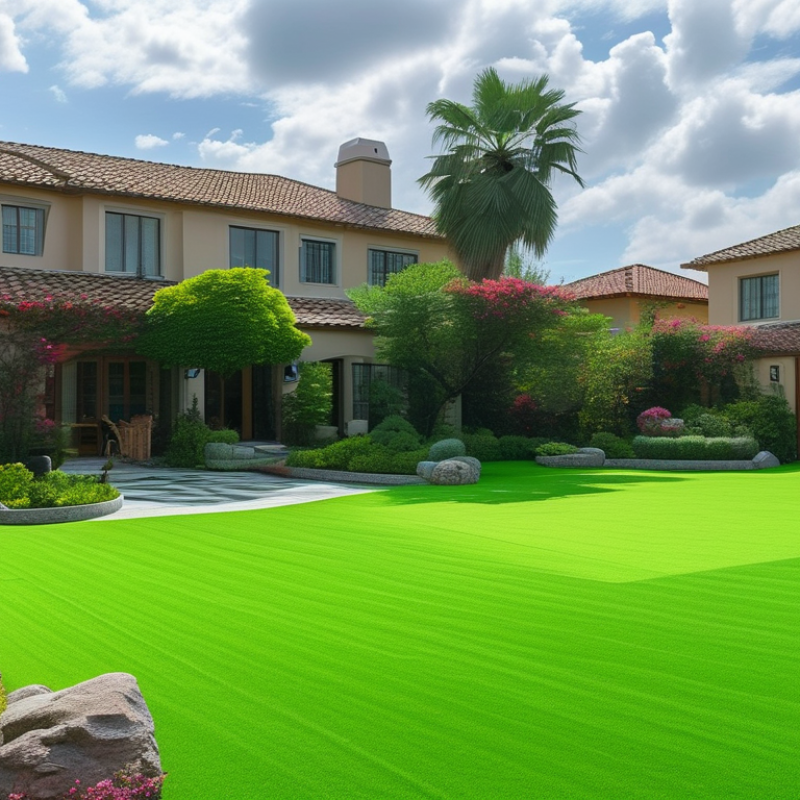
When selecting artificial grass for landscaping, it's essential to understand the various types available. Different fibers and textures cater to unique needs. For instance, some options mimic natural grass closely, while others prioritize durability and UV resistance. The intended use—be it for a backyard, a playground, or a pet area—will influence your decision.
Consider the pile height as well. Higher piles often feel softer but can retain water, leading to drainage issues. Shorter piles may be less luxurious but are more practical for high-traffic areas. Pay attention to color as well; realistic shades can enhance your garden's look, while vibrant colors might suit specific projects but could look artificial.
It's crucial to weigh the pros and cons of each type. Not every product promises longevity or safety. Researching user reviews and consulting with experts can help identify potential challenges. Remember that while artificial grass can reduce maintenance, it's not a one-size-fits-all solution. Take the time to reflect on your landscape goals before committing.
When selecting high-grade artificial turf, quality is key. One of the first aspects to consider is the material used. Most premium options are made from polyethylene or nylon, offering durability and a realistic look. Look closely at the fibers; they should be soft yet resilient. Check if the grass feels natural underfoot. You want it to resemble real grass.
Color and texture matter as well. High-quality turf features multiple shades of green, imitating the appearance of natural grass. The texture should vary, too, with some blades slightly longer than others. This variety adds depth and realism, making the landscape inviting and vibrant.
Tip: Consider the product’s UV resistance. Turf exposed to sunlight should retain its brilliant color over time. Quality artificial grass can resist fading, ensuring your landscape remains beautiful for years. Picking the right underlay is also crucial. A suitable underlay can improve drainage and comfort. Spend time researching these features for better decision-making.
When selecting artificial grass, assessing its environmental impact is vital. Sustainable materials should be prioritized. Look for products made from recycled materials. This means less waste and lower carbon footprints. Not all artificial grasses are created equal. Some may contain harmful chemicals. Researching the manufacturing process can lead to better choices.
It's essential to consider the long-term effects of installation and maintenance. Water consumption is often less with artificial grass. However, certain types may require special care. Understanding these needs is crucial. The life expectancy of the grass is another factor to weigh. Many options exist, but they don’t always hold up under extreme weather conditions.
Environmental certifications can be a guide. However, not all certifications are stringent. It’s wise to dig deeper into what these labels mean. Sometimes, marketing claims can be misleading. Balancing aesthetics with sustainability is challenging, yet it's necessary. Reflecting on these elements can lead to a more informed decision in your landscaping choices.
| Criteria | Details | Environmental Impact | Sustainability Rating |
|---|---|---|---|
| Material Type | Polyethylene, Polypropylene, Nylon | Low impact, recyclable options available | High |
| Infill Material | Sand, Rubber, Organic Materials | Rubber has a higher carbon footprint, organic materials are better | Medium to High |
| Water Usage | No watering required | Significant water savings compared to natural grass | High |
| Maintenance | Minimal, occasional brushing | Reduced need for chemicals | High |
| Lifespan | 8-15 years | Long-lasting, but needs to be recycled after use | Medium |
When considering artificial grass, it's essential to analyze the costs associated with both short-term and long-term investments. Many homeowners often focus on the initial purchase price, overlooking ongoing maintenance costs. According to a 2022 industry report, while installing artificial grass can range from $5 to $20 per square foot, the average maintenance costs of natural grass add up to approximately $700 annually. This difference becomes significant over time.
In the long run, artificial grass can offer substantial savings. A 2023 market analysis indicates that synthetic turf can last 15 to 25 years. Beyond the lifespan, artificial grass eliminates the need for water, fertilizers, and frequent mowing. In contrast, natural lawns require continuous upkeep and can lead to unexpected costs. Homeowners should weigh these factors carefully. Are they willing to invest more upfront for lasting benefits? Or are they comfortable with recurring maintenance expenses?
Understanding the long-term implications of using artificial grass is crucial. Many analyze only the surface costs, missing essential details about sustainability and time savings. Investing in quality artificial grass can provide a cleaner, greener solution. It's important to reflect on personal priorities when making this decision.
When choosing artificial grass for landscaping, maintenance is key to both longevity and aesthetics. According to industry reports, properly maintained artificial grass can last up to 15-20 years. However, neglect can shorten its lifespan dramatically. Regular cleaning is essential. Sweeping or rinsing the surface eliminates debris and prevents the growth of mold or mildew. This practice not only keeps the grass looking fresh but is also crucial for the overall health of the material.
Fading can occur with prolonged sun exposure. A UV stabilizer, if integrated, helps maintain color over time. According to studies, the right type of infill can enhance durability and prevent grass blades from flattening. Choosing a quality infill material can extend the life of your artificial lawn significantly. Rotate or brush the grass occasionally to revive its structure. This simple tip helps prevent matting and keeps it looking lush.
Observe the areas that receive heavy foot traffic. Consider rotating your furniture or placing mats in these spots. This can prevent wear and prolong the grass’s aesthetic appeal. Regular inspections for any damages are necessary. Noticing small issues early can save you from costly repairs later. Keeping your artificial grass in optimal condition may require effort, but the rewards in appearance and durability are worth it.
: Premium turf is usually made from polyethylene or nylon for durability and realism.
Look for turf with multiple shades of green and varying blade lengths for depth and realism.
UV resistance helps maintain vibrant colors, ensuring the turf remains beautiful despite sun exposure.
Prioritize products made from recycled materials and research their manufacturing processes for sustainability.
Well-maintained turf can last 15-20 years, but neglect can reduce its lifespan significantly.
Regularly sweep or rinse the surface to remove debris and prevent mold growth.
Heavy foot traffic areas may wear faster; consider rotating furniture to distribute usage evenly.
Quality infill enhances durability and helps maintain grass structure, preventing flattening.
Regular inspections help identify small issues early, potentially saving costs on repairs.
It's easy to overlook routine maintenance, but it significantly impacts the grass's appearance and longevity.
Choosing the best landscaping artificial grass involves several critical factors. First, understanding the various types of artificial grass available is essential, as different materials and styles cater to diverse landscaping needs and preferences. Evaluating the quality of the turf is equally important; look for key features that signify high-grade products, such as durability, UV resistance, and realism in appearance.
Additionally, it is crucial to assess the environmental impact of the artificial grass chosen. Sustainable materials and practices can mitigate negative effects on the planet. The cost analysis reveals that while artificial grass may represent a short-term investment, it can lead to long-term savings due to lower maintenance needs. Finally, adhering to recommended maintenance practices will ensure that your landscaping artificial grass remains aesthetically pleasing and lasts for years to come.

Deyuan Industry