How to Choose the Best Landscaping Artificial Grass for Your Needs?

Time:2026-05-01 Author:Charlotte
0%

As homeowners increasingly turn to Landscaping Artificial Grass, understanding how to select the ideal product becomes vital. The global artificial grass market was valued at over $3.84 billion in 2020 and is projected to grow significantly. With such rapid expansion, choosing the right type of synthetic turf can seem overwhelming.

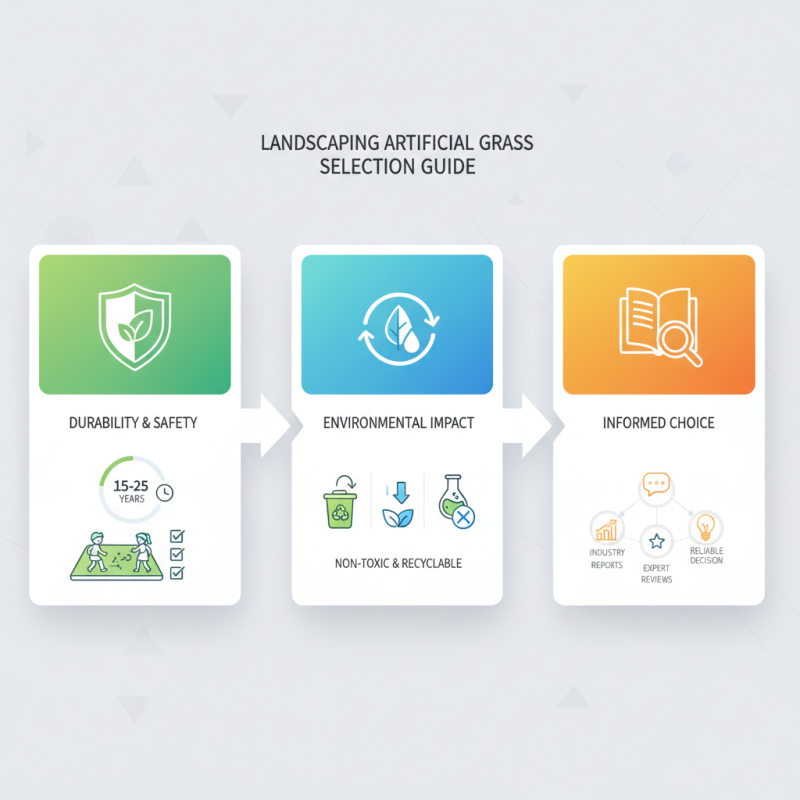
When considering Landscaping Artificial Grass, it is essential to evaluate key factors. Durability is paramount; high-quality options can last 15 to 25 years with proper maintenance. In addition to durability, the safety of the product is a priority. Numerous studies highlight the reduced risk of injuries on artificial surfaces compared to natural grass. However, some synthetic materials may not meet safety standards, underscoring the need for informed choices.

Environmental concerns also come into play. While Landscaping Artificial Grass can conserve water, not all products are eco-friendly. As more consumers seek sustainable solutions, selecting non-toxic, recyclable options becomes critical. Engaging with industry reports and expert reviews can guide you in making a well-informed, reliable decision.
How to Choose the Best Landscaping Artificial Grass for Your Needs?

Understanding the Different Types of Artificial Grass Available in the Market

When selecting artificial grass, understanding the types available is crucial. There are primarily three categories: polyethylene, polypropylene, and nylon. Polyethylene is known for its softness and realism. It feels great underfoot and mimics natural grass well. It’s ideal for residential lawns and pet areas.

Polypropylene, on the other hand, is more affordable but less durable. It works well for temporary or low-traffic applications, like play areas. However, it may fade faster under the sun. Nylon is the most durable option, great for high-traffic areas. It retains its shape and color significantly longer than other types, but it comes with a higher price tag.

While looking for artificial grass, consider the pile height and density. Taller grass can look more natural but can also require more maintenance. Some people may find the differences confusing when making a choice. Remember, the best choice depends on your specific needs, such as usage and budget. Reflecting on what works for you can guide your choice effectively.

Types of Artificial Grass and Their Popularity

Evaluating Your Specific Landscape Needs and Requirements

When choosing artificial grass for your landscape, start by assessing your specific needs. Consider the area where it will be installed. Is it a high-traffic zone, or is it more decorative? High traffic areas might require more durable options that resist wear over time. For decorative spaces, focus on aesthetics, selecting textures and colors that enhance your landscape's appeal.

Tips: Analyze your yard's sunlight exposure. Some artificial grasses perform better in sunny areas while others resist fading. Measure the space accurately. This avoids ordering too much or too little grass. Don't forget maintenance needs. Artificial grass demands minimal care, but occasional cleaning is necessary to keep it looking fresh.

Take a moment to reflect on what feels right for your lifestyle. Do you entertain often? Choose a grass that feels soft and inviting underfoot. If you have pets, find products that are easy to clean and odor-resistant. Make a list of your priorities. This helps streamline your options. Remember, perfection is not possible; your choice must align with practical needs and personal taste.

Key Factors to Consider When Choosing Artificial Grass Materials

When selecting landscaping artificial grass, several key factors can influence your choice. One crucial aspect is the material quality. High-quality artificial grass is designed to withstand heavy foot traffic while retaining its appearance. Look for products that resist fading and have UV protection. The infill material also plays a vital role in durability and comfort. Choose between sand, rubber, or a combination for optimal results.

Tips: Consider the weather conditions in your area. Grass that drains well is essential in rainy climates. If you live in a hot region, choose grass that stays cool underfoot.

Another factor to analyze is the pile height. Taller blades create a lush, lawn-like feel, whereas shorter blades offer a neat, low-maintenance option. Remember, aesthetics should align with your functional needs. Less height can mean more durability, but may lack the visual appeal you desire.

Tips: Think about how you plan to use the area. Areas for pets need grass that can handle digging and wear. Playgrounds require softer fibers to prevent injuries.

Finally, the warranty period of artificial grass can reflect its quality. Short warranties can make you rethink your choice. Look for products backed by manufacturers that offer long-term guarantees. This often indicates confidence in their product's longevity.

How to Choose the Best Landscaping Artificial Grass for Your Needs? - Key Factors to Consider When Choosing Artificial Grass Materials

Feature Description Importance Level
Material Quality Look for UV resistant, durable materials that mimic natural grass. High
Pile Height Choose a height based on aesthetic preference and usage. Medium
Color Variation Opt for grass with multiple shades for a natural look. High
Infill Material Consider silica sand or rubber for added stability and cushioning. Medium
Drainage Capability Select grass that allows for proper water drainage to prevent puddles. High
Maintenance Requirements Choose low-maintenance options to save time and effort. High
Warranty Look for products with a solid warranty for quality assurance. Medium

Comparing Costs: Budgeting for Installation and Maintenance

When considering artificial grass for your landscape, budgeting is crucial. Installation costs can vary greatly, depending on grass quality, yard size, and labor fees. On average, homeowners spend between $5 to $20 per square foot for full installation. Make sure you get multiple quotes to find the best value. This effort can uncover hidden costs like site preparation or removal of old grass.


Maintenance expenses can also add up. Unlike natural grass, artificial turf requires less water but needs occasional cleaning and infill replacement. Budget for yearly maintenance, which can range from $100 to $300. It’s wise to factor in these ongoing costs when planning your landscape transformation.


You might think you can save with DIY installation, but watch out for potential pitfalls. Poor installation can lead to drainage issues or uneven surfaces. Consulting with professionals could save money in the long run. Remember, investing in quality upfront can reduce future maintenance headaches. Exploring both installation and upkeep costs will help you choose the best option that meets your needs and budget.

Assessing Product Quality and Durability for Long-Term Use

When selecting landscaping artificial grass, assessing its quality and durability is crucial for long-term satisfaction. The fibers should be resilient and able to withstand foot traffic. Look for products that use UV stabilizers. This helps in maintaining color and prevents fading over time.


Tips: Check for warranties that accompany the grass. A longer warranty often indicates higher confidence in product durability.


Consider the backing material as well. Quality grass will typically feature a strong, perforated backing. This allows for efficient drainage, reducing muddy patches after rain. Weigh the importance of these factors based on your specific landscape needs.


Tips: Test a small patch in your yard. This can help you judge how well it accommodates pets and kids. Actively observing its performance can reveal flaws or strengths not shown in samples. Reflecting on this may influence your final decision.

FAQS

: What should I consider when choosing artificial grass materials?

: Focus on material quality, infill options, and drainage capabilities based on your climate.

How does pile height affect my choice of artificial grass?

Taller blades offer a lush feel, while shorter blades provide a neat and low-maintenance look.

What role does infill play in artificial grass?

Infill affects durability and comfort. Options include sand, rubber, or a mix for the best results.

How can weather conditions influence my choice?

Choose grass that drains well in rainy areas and stays cool in hot climates.

What should I budget for artificial grass installation?

Expect costs between $5 and $20 per square foot for installation, depending on various factors.

How can maintenance costs affect my selection?

Factor in yearly expenses of $100 to $300 for cleaning and infill replacement in your budget.

Why is the warranty important when selecting artificial grass?

A longer warranty often reflects the product's quality and durability, indicating manufacturer confidence.

Can DIY installation save me money?

While it may seem cost-effective, poor installation can lead to expensive issues like drainage problems.

How do I assess the quality and durability of artificial grass?

Look for resilient fibers, UV stabilizers, and a strong backing material for long-term use.

Should I test a small patch of grass before purchasing?

Yes, testing helps observe performance, accommodating pets or children may reveal flaws not seen in samples.

Conclusion

When selecting the best Landscaping Artificial Grass for your needs, it's essential to understand the various types available in the market. Each type has unique features that might cater to different aesthetic and functional requirements. Evaluating your specific landscape needs, such as foot traffic, usage, and climate conditions, will guide your decision on the most suitable option.

Key factors to consider include the quality of materials, durability for long-term use, and cost implications, which encompass both installation and ongoing maintenance. A thorough assessment of these elements will ensure you choose the right artificial grass that meets your expectations while fitting within your budget.


Charlotte

Charlotte

Charlotte is a seasoned marketing professional with a deep understanding of the company's portfolio and a passion for elevating its presence in the market. With a keen eye for detail and a commitment to excellence, she ensures that our professional blog is regularly updated with insightful articles......