Choosing the right Artificial Grass Synthetic is crucial for both aesthetics and functionality. Research shows that over 60% of homeowners prefer synthetic grass for its durability and low maintenance. This trend reflects a growing awareness of the benefits of artificial lawns. However, with numerous options available, making the right choice can be overwhelming.
Artificial Grass Synthetic varies widely in quality, texture, and price. Understanding these differences is essential before making a purchase. Industry reports indicate that investing in higher-quality materials often leads to greater long-term satisfaction. It's important to consider factors such as UV resistance, color stability, and infill options. Not all products are created equal, and choosing poorly can result in fading or an unnatural look.
Every detail counts when selecting synthetic grass. Local climate, intended use, and lifestyle can significantly impact your decision. Seeking expert advice can illuminate aspects you might overlook. It's common for homeowners to focus on price alone, but this might lead to regrets later on. Making an informed choice ensures that your artificial grass meets both needs and expectations.
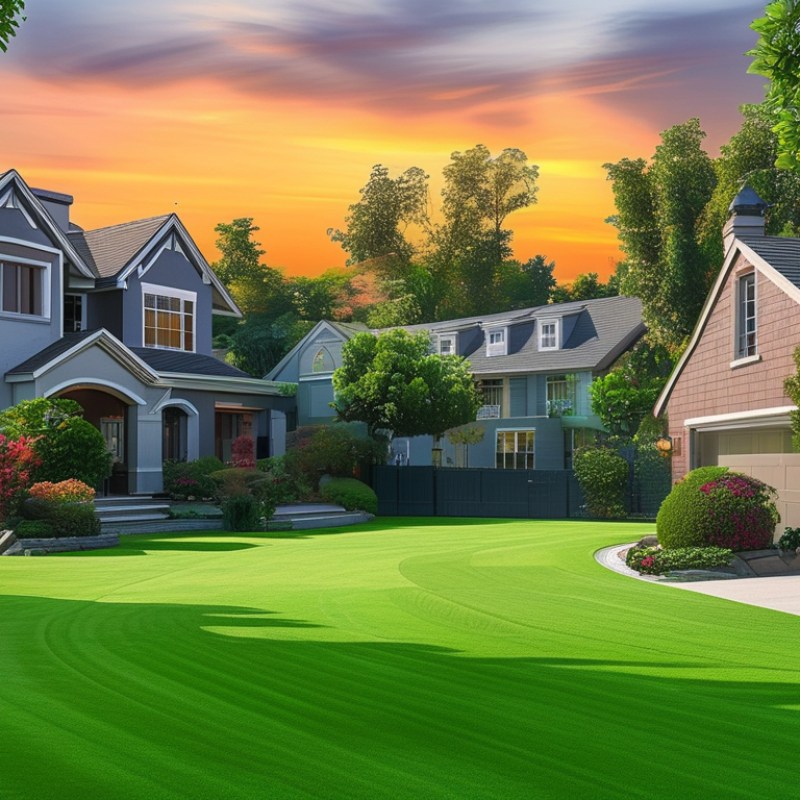
Understanding Different Types of Artificial Grass Synthetic Products
When selecting artificial grass, understanding the types available is crucial. There are three primary varieties: polyethylene, nylon, and polypropylene. Each serves different needs. According to the Synthetic Turf Council, polyethylene is the most popular choice for residential lawns, as it mimics natural grass effectively. It offers a softer feel and is UV stabilised, ensuring longevity.
Nylon, while durable, is often more expensive. It's ideal for high-traffic areas like sports fields. A report from the International Association of Sports Turf Managers indicated that nylon can withstand more wear than other types. Yet, its rigidity may not suit everyone’s preferences. Polypropylene tends to be the least costly but lacks durability and is less realistic. It’s often used in temporary installations.
Choosing the right type requires careful consideration. Each option has unique benefits and drawbacks. Aesthetics, durability, and budget must align with your goals. Various installation methods and maintenance requirements may impact your decision too. Reflect on your specific needs and priorities before making a purchase. The right artificial grass can enhance your space, but only if chosen wisely.
Evaluating the Durability and Maintenance Requirements of Synthetic Grass
Choosing the right synthetic grass involves careful evaluation of its durability and maintenance requirements. A reliable synthetic grass product will last between 15 to 25 years, according to industry studies. Factors such as weather, foot traffic, and maintenance can significantly affect longevity. Understanding these elements is crucial in selecting the best option for your specific needs.
Maintenance is another vital aspect to consider. Generally, synthetic grass requires less upkeep than natural grass. Routine tasks include brushing the fibers to prevent matting and rinsing to remove debris. However, in some areas, pet waste management can complicate maintenance. Using infill materials can also aid in durability but may require periodic replenishment.
The initial investment in synthetic grass might be higher than natural alternatives. Yet, its long-term durability often justifies this expense. The Environmental Protection Agency notes that synthetic grass conserves water and eliminates the need for chemical fertilizers, which can be appealing. Nevertheless, ensuring that the installation is done properly is key, as improper installations can lead to issues like water drainage problems or shifting over time. Balancing these factors is essential for the best performance and satisfaction.
Assessing the Aesthetic Appeal and Realism of Artificial Turf Options
When selecting artificial grass, aesthetics and realism play a crucial role. The visual appeal of synthetic turf can transform any space, from gardens to sports fields. Consider how the grass looks in different lighting conditions. Does it maintain its color under bright sun or drizzle? Finding a version that mimics natural grass requires close inspections. Look for blades that vary in length and thickness, as this variety adds realism.
Texture is equally important. Step onto the turf. Does it feel soft and inviting? Artificial grass should replicate the sensation of real grass underfoot. If it feels too stiff or plastic, it may not meet your expectations. While many options look great on the surface, their feel can be disappointing. Thoughtful comparisons help avoid such pitfalls.
Don’t overlook maintenance aspects. Some grasses look fantastic but require consistent upkeep. Check if the material can withstand regular wear and tear. Aesthetics must align with practicality. Reflect on your priorities. What’s most important: looks or longevity? These choices will guide your selection process effectively.
Considering Environmental Impact and Safety Features in Your Choice
When selecting artificial grass, it's vital to consider environmental impact. Many synthetic products are made from non-biodegradable materials, contributing to landfill waste. Selecting options that use recycled materials can reduce this impact. It’s also helpful to look for products with a lower carbon footprint in their manufacturing processes. Such choices benefit both your space and the planet.
Safety features are equally crucial. Some synthetic grasses may contain harmful chemicals that can pose health risks. Opting for non-toxic, lead-free materials ensures a safer environment, especially for children and pets. Always check certifications for safety standards. While manufacturers provide this information, it’s important to verify their claims. Transparency in such matters builds trust and guarantees quality.
Ultimately, the journey to find the right artificial grass involves careful consideration. It’s easy to get swayed by aesthetics or price, but deeper reflection is necessary. The right product should balance beauty, safety, and environmental responsibility. Learning how your choices affect the world is essential for making informed decisions.
Budgeting for Installation and Long-term Costs of Artificial Grass
When considering artificial grass, budgeting is essential. Installation costs can vary significantly based on factors like yard size and chosen materials. A professional installation may start from $5 per square foot. DIY projects can save some money, but they require skill and time. Accurate measurement is crucial to avoid overbuying or underestimating the grass needed.
Long-term costs shouldn't be overlooked. While artificial grass reduces ongoing maintenance like mowing and watering, it still requires care. Routine cleaning and occasional infill replenishment can add to expenses. Consider the lifespan of the grass, typically 15-20 years. A breakdown of costs over time can help decide whether synthetic turf is truly cost-effective.
Reflecting on the initial and ongoing expenses is vital. Compare potential savings on water bills and landscape services. Know your budget limitations and future needs. Investing in quality can pay off, yet price alone shouldn't dictate your choice. A thoughtful approach can yield both aesthetic and financial satisfaction.
Cost Analysis of Artificial Grass Installation and Long-term Maintenance
FAQS
: There are three primary types: polyethylene, nylon, and polypropylene. Each has unique characteristics.
Polyethylene is the most popular choice. It effectively mimics natural grass and provides a softer feel.
Reliable synthetic grass can last between 15 to 25 years, depending on various factors like weather and maintenance.
Maintenance tasks include brushing the fibers and rinsing to remove debris. Pet waste management may complicate this.
Many synthetic products are non-biodegradable. Choosing options with recycled materials can reduce environmental impact.
Some products may contain harmful chemicals. Verifying safety standards ensures a safer environment for children and pets.
Yes, the initial investment is often higher, but long-term durability may justify the cost.
Consider aesthetics, durability, budget, and maintenance requirements. Reflect on your specific needs for the best choice.
Yes, improper installation can lead to drainage issues or shifting, impacting performance and satisfaction.
It eliminates the need for watering and chemical fertilizers, making it an appealing choice for water conservation.
Conclusion
When choosing the best Artificial Grass Synthetic for your needs, it is crucial to understand the different types available on the market. Not all synthetic grass products are created equal; they vary in durability, maintenance requirements, and aesthetic appeal. Evaluating these aspects will help you select a product that not only looks realistic but also stands up to the wear and tear of your intended use.
Additionally, it’s important to consider environmental impacts and safety features when making your choice. Understanding the long-term costs associated with installation and maintenance will also play a significant role in your decision. By taking these factors into account, you can ensure that the Artificial Grass Synthetic you select is the best fit for your specific requirements and budget.

 Deyuan Industry