Synthetic Artificial Grass has transformed outdoor spaces across the globe. According to a report by Grand View Research, the global artificial grass market was valued at over $2 billion in 2020, with a projected CAGR of 10.6% until 2028. This surge reflects a growing preference for low-maintenance and environmentally friendly landscaping options.
Many homeowners and businesses are choosing Synthetic Artificial Grass for its versatility and durability. Unlike natural grass, it requires minimal water and can withstand heavy foot traffic. This can lead to savings on water bills and maintenance costs. In addition, studies have shown that synthetic grass installations reduce chemical use, promoting eco-friendly practices in landscaping.
However, there are still questions surrounding the longevity and potential environmental impact of Synthetic Artificial Grass. While manufacturers claim lifespan exceeding 15 years, some users report the need for replacements sooner. It's essential to weigh the benefits against the drawbacks, considering the investment and its implications for sustainability.
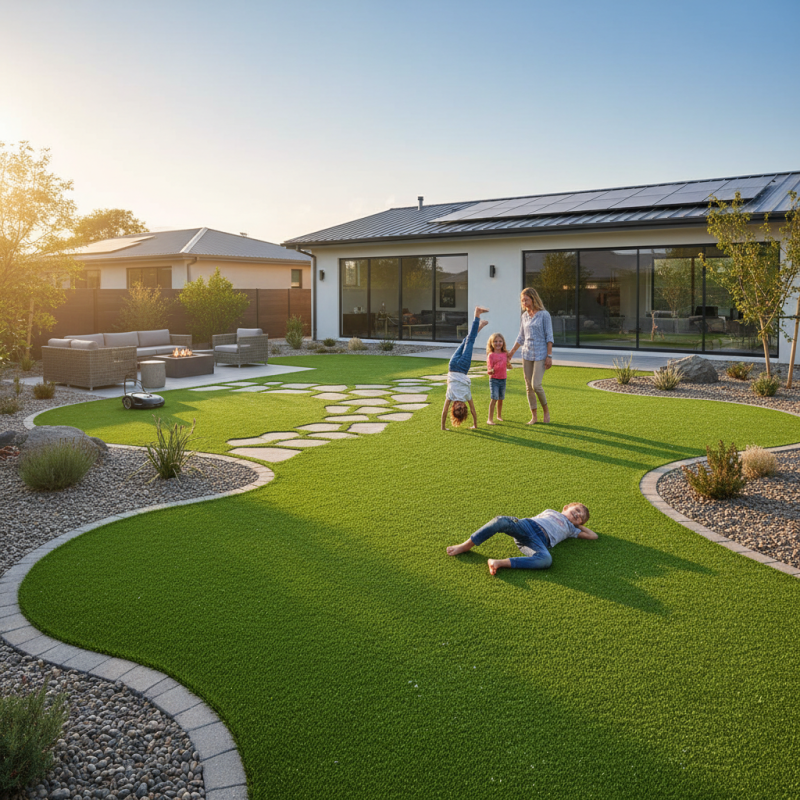
Benefits of Synthetic Artificial Grass Over Natural Grass
Synthetic artificial grass has gained popularity in various applications, from residential lawns to commercial projects. Its benefits over natural grass can significantly influence your choice. For instance, synthetic grass requires minimal upkeep. A study by the Synthetic Turf Council noted that maintenance costs for synthetic grass are about 70% lower than those for natural grass. Homeowners can save on water bills and eliminate the need for fertilizers and pesticides.
Durability is another advantage. Quality synthetic grass can last 15 to 25 years, depending on usage. In contrast, natural grass often struggles with wear and tear. During droughts, natural lawns can become brown and patchy. Meanwhile, synthetic turf remains green and vibrant. This resilience makes it suitable for high-traffic areas, such as parks and playgrounds.
Environmental factors also play a role. While synthetic grass doesn’t require water, it does raise concerns about heat absorption. However, advancements in technology have led to the development of cooling infills and lighter fibers. These innovations help mitigate heat retention issues. Users must weigh these pros and cons carefully before making a decision.
Benefits of Synthetic Artificial Grass Over Natural Grass
Durability and Low Maintenance of Synthetic Grass Solutions
Choosing synthetic artificial grass for your next project offers a practical solution for durability and low maintenance. Unlike natural grass, synthetic options can withstand high foot traffic without deteriorating. According to a report by the Synthetic Turf Council, these surfaces can last up to 15 years or more. This longevity significantly reduces the frequency of replacement, offering substantial long-term savings for property owners.
Maintenance is another crucial factor. With synthetic grass, there is no need for mowing, watering, or chemical treatments. Studies indicate that homeowners can save up to 70% on water bills after making the switch. Regular cleaning, such as removing debris and rinsing the surface, is all that’s needed to keep your synthetic lawn looking fresh. However, it's important to be aware that over time, infill materials may need replenishing to maintain optimal performance.
Tips: Regular inspections can help identify any areas that may need attention. Look for signs of wear or uneven surfaces. Also, consider using a soft brush to maintain the nap of the turf fibers. While synthetic grass is low maintenance, it's essential to address issues as they arise to ensure its longevity. Embracing synthetic grass is indeed a step towards a more sustainable and efficient landscaping option.
Cost-Effectiveness: Long-Term Savings with Artificial Turf
When considering artificial turf for landscaping, cost-effectiveness is a key factor. Research shows that synthetic grass can save homeowners up to 70% on water usage. In regions facing drought, this reduction in water costs becomes even more significant. Maintenance expenses also drop, as synthetic turf does not require mowing, fertilizing, or pest control. According to a 2022 study from the Synthetic Turf Council, property owners can save an average of $1,000 annually on these upkeep costs.
Additionally, the lifespan of artificial grass can exceed 15 years with proper installation. This durability contributes to long-term savings, as traditional grass needs frequent re-seeding and replacement. A report from the American Society of Landscape Architects indicates that the initial investment in synthetic grass may be recouped within five years through reduced maintenance and irrigation costs. Yet, potential buyers should remain aware of installation expenses, which can vary greatly. It's crucial to explore multiple contractors and gather detailed quotes before committing.
Investing in synthetic grass offers tangible benefits. Water conservation, reduced maintenance, and long-term cost savings are compelling factors. However, quality varies across different products. It is advisable to research thoroughly, ensuring that the chosen option aligns with specific project needs and budget constraints. This careful approach will ultimately enhance value and satisfaction over time.
Environmental Considerations: Water Conservation and Eco-Friendliness
Synthetic artificial grass has gained popularity, particularly for its environmental advantages. Water conservation is a significant factor driving this trend. Traditional lawns require regular watering, which can lead to water wastage, especially in drought-stricken areas. In contrast, synthetic grass doesn't need irrigation. This feature is appealing not only for homeowners but also for community parks.
Eco-friendliness is another compelling reason to choose synthetic grass. It eliminates the need for chemical fertilizers and pesticides. These substances often pollute local waterways. By opting for artificial grass, property owners can reduce their environmental footprint. However, the production of synthetic materials does have an environmental impact. It's essential to consider the entire lifecycle of the product.
While some may have concerns about heat retention and microplastics, the benefits of water savings and reduced chemical use are striking. A well-planned landscape with synthetic grass can significantly lower maintenance efforts. Homeowners can enjoy green spaces without the heavy burden of resource consumption.
Why Choose Synthetic Artificial Grass for Your Next Project? - Environmental Considerations: Water Conservation and Eco-Friendliness
| Feature |
Traditional Grass |
Synthetic Grass |
| Water Usage |
Up to 55 gallons/week per 1000 sq ft |
0 gallons |
| Maintenance |
Mowing, watering, fertilization |
Minimal (occasional brushing) |
| Lifespan |
1-3 years |
10-15 years |
| Pesticide Use |
High |
None |
| Recyclability |
Biodegradable |
Recyclable materials available |
Versatility of Synthetic Grass for Various Applications and Settings
Synthetic grass is becoming a popular choice for diverse applications. Its versatility makes it suitable for residential backyards, commercial spaces, playgrounds, and sports fields. Homeowners appreciate the lush look of synthetic grass. It stays vibrant year-round and requires minimal maintenance. The ability to customize its texture and color enables designers to create stunning landscapes.
In commercial settings, synthetic grass can be a game-changer. Businesses can transform dull outdoor spaces into vibrant areas for relaxation or events. It's durable and can withstand heavy foot traffic. Children’s playgrounds benefit from it too. The softer surface reduces the risk of injury, making play safer and more enjoyable.
However, not every installation is perfect. Some may find that synthetic grass feels different than natural grass. It can heat up in direct sunlight, making it less suitable for certain areas. Additionally, initial installation costs can be higher compared to traditional grass. Weighing these factors is crucial before making a decision.
FAQS
: Synthetic grass conserves water, eliminating the need for irrigation. This is important in drought-prone areas.
No, it does not need chemical fertilizers or pesticides, reducing pollution in local waterways.
The manufacturing process can have an environmental impact, so consider the product's entire lifecycle.
It can retain heat, making it uncomfortable in direct sunlight. This might limit its use in some areas.
It is suitable for backyards, commercial spaces, playgrounds, and sports fields. Its versatility is widely appreciated.
Initial installation costs can be higher than natural grass, which is a concern for some property owners.
The softer surface reduces injury risks for children, making play safer and more enjoyable.
Yes, it remains vibrant and lush throughout the year, needing minimal maintenance.
Homeowners can customize its texture and color to create appealing landscapes.
Some may find it feels different than natural grass. Regular upkeep is still necessary to maintain its appearance.
Conclusion
Synthetic Artificial Grass offers a multitude of advantages over natural grass, making it an ideal choice for various projects. One of the primary benefits is its durability and low maintenance requirements, allowing homeowners and businesses to enjoy a lush green surface without the hassle of regular mowing, watering, or fertilizing. Additionally, synthetic grass is cost-effective in the long run, as it eliminates ongoing maintenance expenses and significantly reduces water usage, contributing to environmental conservation.
Moreover, the versatility of synthetic artificial grass makes it suitable for a wide range of applications, from residential lawns and play areas to commercial landscapes and sports facilities. Its eco-friendly nature, combined with the aesthetic appeal and practical benefits, positions synthetic grass as a compelling alternative for those looking to enhance their outdoor spaces while being mindful of cost and environmental impact.

 Deyuan Industry