The "Artificial Grass Synthetic" industry has shown remarkable growth, with market demand increasing significantly. According to a recent report by Grand View Research, the market size reached $5.5 billion in 2022 and is expected to expand at a CAGR of over 10% from 2023 to 2030. This surge reflects the growing preference for environmentally friendly and low-maintenance landscaping solutions.
Dr. Steven Hart, a leading expert in the synthetic turf industry, emphasizes, "Quality matters when selecting artificial grass synthetic products. Do not compromise on materials and installation." His insight lends credibility to understanding the complexities that influence both quality and pricing. Many consumers fail to recognize that not all synthetic grass is created equal. Factors like pile height, density, and material composition play significant roles in overall performance and durability.
While there are many budget options available, it is essential to navigate wisely. Choosing lower-quality grass may lead to fading and wear within a short period. Therefore, investing in higher-quality artificial grass synthetic can ultimately save costs in repairs and replacements. Careful research and expert advice are crucial for finding the right balance between quality and budget. Every dollar spent should reflect long-term value.
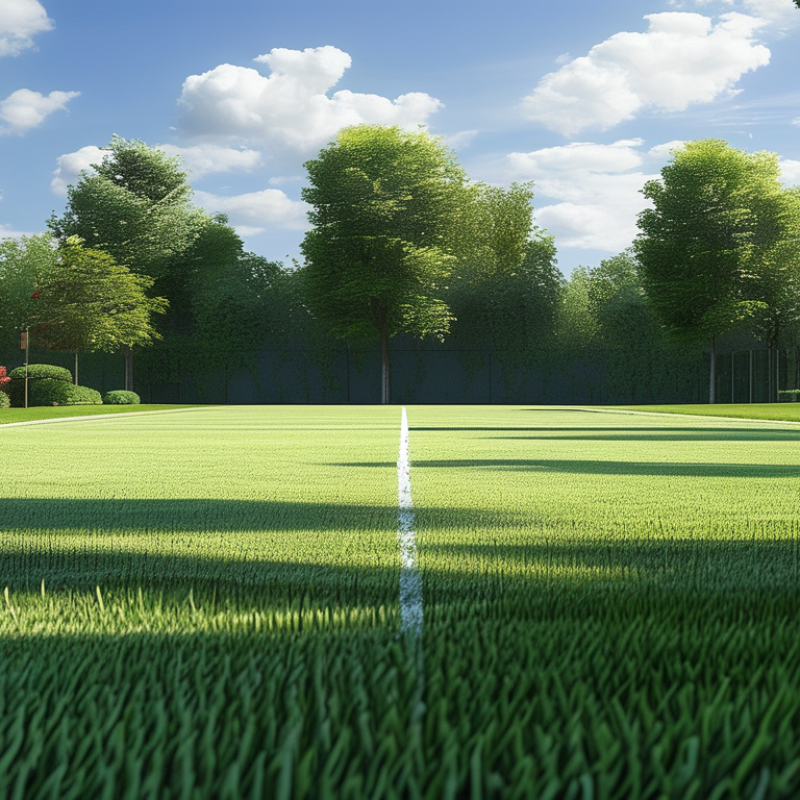
When exploring artificial grass options, understanding the different types available is crucial. There are three main categories: nylon, polyethylene, and polypropylene. Each type has unique characteristics, which influence cost and applications. For instance, nylon is known for its durability and resilience, making it ideal for high-traffic areas. However, it is also the most expensive option.
Polyethylene grass, while slightly less durable than nylon, offers a more realistic appearance and is popular for residential lawns. It strikes a balance between quality and affordability, with prices typically ranging from $2 to $5 per square foot. In contrast, polypropylene is the least robust but is often chosen for temporary or budget-friendly solutions. It usually sells for around $1 to $3 per square foot and may not withstand heavy use over time.
A recent industry report indicated that the global artificial turf market is projected to reach $5.3 billion by 2027, showcasing increased demand and innovation. As homeowners and businesses pursue eco-friendly solutions, artificial grass is becoming an appealing choice. This growth underscores the importance of selecting the right type of grass based on specific needs. However, many customers remain uncertain about long-term maintenance and performance. Educating oneself on these facets is crucial for making an informed choice.
When considering synthetic grass, the quality of the product is paramount. Various factors influence this quality, especially the materials used in manufacturing. Many high-end synthetic grasses incorporate UV-resistant additives. This extension of lifespan is crucial in areas with intense sunlight. A recent industry report indicated that quality materials can enhance durability by up to 30%.
Another essential factor is the pile height and density. Taller grass tends to feel softer but may wear out faster. Conversely, shorter, denser grass may offer more longevity and resilience. Studies have shown that a medium pile height of 30-50 mm achieves a balance between aesthetics and functionality. However, personal preferences often lead to decisions that do not consider these trade-offs.
Finally, the backing material plays a significant role in drainage and stability. Grass backed with quality materials effectively reduces the chance of mold and deterioration. Research suggests that products with a solid backing can increase the lifespan by approximately 40%. Buyers should weigh these factors carefully. Compromising on any aspect can impact both quality and pricing.
| Factors | Description | Impact on Quality | Price Range ($/sq. ft.) |
|---|---|---|---|
| Material Type | Different materials such as nylon, polyethylene, and polypropylene offer varying benefits. | High-quality materials increase durability and appearance. | 1.50 - 4.00 |
| Blade Height | Height ranges from 1 inch to 2.5 inches, affecting the feel and look. | Longer blades provide a more realistic appearance. | 1.20 - 3.50 |
| UV Resistance | Treatment to prevent fading and degradation from sunlight. | Better UV resistance prolongs lifespan. | 1.80 - 4.50 |
| Infill Material | Types of infill, such as rubber or sand, can affect performance. | Quality infill provides stability and cushioning. | 0.50 - 2.00 |
| Installation Quality | Proper installation ensures longevity and performance. | Quality installation can reduce maintenance costs. | 1.00 - 3.00 |
When considering artificial turf, understanding pricing models is crucial. The cost of artificial grass can range from $5 to $20 per square foot. Factors influencing this pricing include quality, type of material, and installation fees. A recent industry report highlighted that high-quality synthetic turf often carries a higher upfront cost but provides a better long-term investment due to greater durability.
Installation costs can vary significantly. Professional installation typically adds $3 to $5 per square foot. Some homeowners might opt for DIY projects to save money, but this could lead to subpar results. Proper installation is vital for longevity and performance. Inadequate preparation can lead to issues like drainage problems or uneven surfaces.
Additionally, maintenance requirements affect overall costs. Artificial grass tends to require less upkeep compared to natural sod. However, periodic cleaning and infill replacement can add ongoing expenses. These hidden costs should be factored into the overall budget. Evaluating various options and understanding associated costs can empower consumers to make informed choices.
Installing artificial grass has gained popularity in both residential and commercial spaces. It offers numerous benefits that appeal to various property owners. For homes, it creates a lush, green lawn. Families can enjoy a soft surface for kids and pets to play on. Homeowners value the low maintenance it requires. No more mowing, watering, or weeding. That saves time and resources.
In commercial settings, artificial grass enhances aesthetics. It presents a vibrant look without the upkeep costs of natural grass. Businesses can use it for outdoor areas, creating inviting spaces. However, some may question its longevity or feel underfoot. Choosing the right type can address these concerns. Proper installation is crucial too. Mistakes here can lead to uneven appearances. Overall, artificial grass is a practical solution for many looking to improve their environments.
Synthetic grass installations require proper maintenance to ensure longevity. Regular care not only enhances appearance but extends the lifespan. According to the Synthetic Turf Council, well-maintained artificial grass can last up to 25 years. Neglecting upkeep can lead to premature degradation.
Cleaning synthetic grass involves removing debris, leaves, and pet waste. A weekly check can prevent matting and discoloration. Rinsing with water keeps the fibers fresh and reduces odors. The council also recommends brushing the turf gently, maintaining upright fibers. Over time, wear occurs. Observing this can help identify areas needing attention.
In addition to cleaning, inspecting seams and edges is crucial. Damage can develop without notice. A report from the International Journal of Sports Science states that improper installation often leads to issues. Regular inspections can catch problems early, avoiding costly repairs later. Hence, while synthetic grass is resilient, careful maintenance is vital to enjoy its full benefits.
: There are three main types: nylon, polyethylene, and polypropylene. Each has unique characteristics.
Nylon is the most durable type, ideal for high-traffic areas. However, it is also the most expensive.
Polyethylene grass typically costs between $2 and $5 per square foot. It balances quality and affordability.
Polypropylene is budget-friendly, selling for about $1 to $3 per square foot, but it is less robust.
Artificial grass requires low maintenance, provides a soft surface for play, and enhances property aesthetics.
It's suggested to clean synthetic grass weekly by removing debris and rinsing the fibers with water.
Regular inspections and gentle brushing are important for maintaining the fibers and spotting any damage early.
Uneven installations can occur if proper techniques are not followed, leading to a compromised appearance.
Well-maintained artificial grass installations can last up to 25 years, but neglect causes premature wear.
Inspect seams and edges regularly. Identifying issues early can help avoid costly repairs later.
This article provides a comprehensive overview of artificial grass synthetic options, highlighting the various types available and the key factors that determine their quality. By examining the different material compositions and manufacturing processes, readers gain insight into how these elements affect the durability and lifelike appearance of synthetic grass products.
Furthermore, the article delves into a cost analysis, helping readers understand the pricing models associated with artificial turf. It discusses the benefits of artificial grass synthetic for both residential and commercial spaces, emphasizing its low maintenance requirements and aesthetic appeal. Additionally, practical maintenance tips are offered to ensure that installations remain in excellent condition over time, making it a worthwhile investment for property owners.

Deyuan Industry