Best Landscaping Artificial Grass for Your Garden Needs?

Time:2026-05-11 Author:Isabella
0%

In today's world, Landscaping Artificial Grass is becoming increasingly popular among garden enthusiasts. Many homeowners seek the perfect lawn without the hassle of maintenance. This synthetic alternative offers a lush, green appearance all year round. However, not all artificial grass products are created equal. Choosing the right one for your garden needs requires careful consideration.

When selecting Landscaping Artificial Grass, think about the quality and durability of the material. Different types provide various textures and hues. Some may look realistic but lack resilience. Others may be durable yet feel unnatural underfoot. It's essential to balance aesthetics with functionality. Reflect on your garden's specific requirements, such as sun exposure and foot traffic.

It's important to recognize that even the best Landscaping Artificial Grass may not meet every expectation. There's a learning curve to understanding maintenance and installation. Misjudging these factors can lead to disappointment. The right choice can transform your garden, but the path to finding it may be challenging.
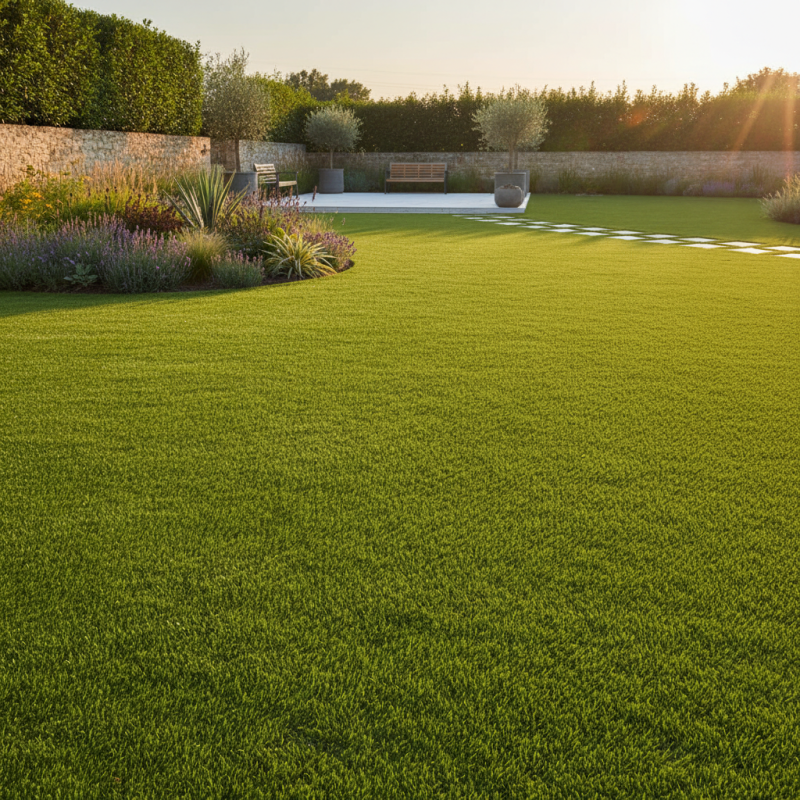
Best Landscaping Artificial Grass for Your Garden Needs?

Choosing the Right Type of Artificial Grass for Your Garden

Choosing the right type of artificial grass for your garden involves several factors. First, consider the pile height. A taller pile offers a lush appearance, while shorter piles are more durable. Think about the foot traffic your area will experience. High-traffic zones need tougher grass types.


Color is another crucial factor. Look for shades that mimic natural grass. Avoid overly bright greens, as they can appear unnatural. Test different options in your garden's light to see how they look at various times of day.


Tips: Measure your garden space correctly. This ensures you purchase the right amount of grass. Check if you need a base layer for better drainage. Installation can be tricky, so refer to guides or seek expert help. Don’t forget to factor in maintenance costs too. Sometimes, less expensive options may incur higher long-term maintenance.

Factors to Consider When Selecting Landscaping Artificial Grass

Choosing the right landscaping artificial grass involves several important factors. First, consider the grass pile height. Shorter grass gives a neat look, while taller options provide a more natural feel. However, taller grass can require more maintenance and may wear down more quickly. Think about how you use your garden. Active areas may need more resilient options.

Another key factor is color. Artificial grass comes in a variety of shades, mimicking real grass. A vibrant green may brighten up your space, but can look unrealistic. It's essential to choose a tone that blends with your garden environment. Take time to observe how different colors look in natural light.

Durability is also crucial. Most artificial grass is rated for UV resistance and foot traffic. However, some options might not withstand heavy use. You may find that a product is good for aesthetics but falters under pressure. Research the best materials and discuss them with specialists. Making informed choices can prevent costly mistakes later on.

Benefits of Using Artificial Grass in Your Garden Design

Artificial grass offers numerous benefits for garden design. One significant advantage is its low maintenance requirement. According to a report by the United States Environmental Protection Agency (EPA), homeowners can save up to 55 gallons of water per square foot annually by switching to artificial grass. This not only reduces water bills but also supports sustainability efforts.

Homeowners also enjoy the durability of artificial grass. It can withstand heavy foot traffic and extreme weather conditions, remaining vibrant year-round. A study from the University of Connecticut highlights that artificial turf has a lifespan of 15 to 25 years, making it a long-term investment.

When selecting artificial grass, consider the texture and color to ensure it complements your garden's aesthetic. Tip: Choose a product with a UV-protection feature to prevent fading over time. Tip: Evaluate the infill material for optimum drainage and comfort underfoot.

It’s essential to contemplate the installation process, which might require professional help. Not every installation is perfect, and some may experience issues with drainage. Reflecting on your needs and the local climate can guide you in making better choices. For instance, areas with heavy rains may need special drainage designs.

Maintenance Tips for Keeping Your Artificial Grass in Top Condition

Artificial grass is a popular choice for many gardens. However, maintaining its quality requires attention. Regular maintenance ensures longevity and visual appeal. Studies show that proper upkeep can extend the lifespan of artificial grass by 15-20 years.

To keep your artificial grass pristine, regular cleaning is essential. Remove debris like leaves and twigs weekly. For stubborn stains, a soft brush and soapy water work well. Additionally, using a leaf blower can save time. The synthetic fibers can flatten over time. Occasionally, use a rake to lift and restore the grass’s texture.

Humidity and heat can affect your artificial grass too. Heat can cause fibers to fade and degrade. Research indicates that applying infill material can help combat this issue. It not only provides weight but also reduces heat retention. Regularly check for any signs of wear or damage. Addressing these issues early can save on costly repairs. Consistent care is key to enjoying a vibrant, green lawn.

Best Landscaping Artificial Grass for Your Garden Needs? - Maintenance Tips for Keeping Your Artificial Grass in Top Condition

Type of Artificial Grass Ideal Use Maintenance Frequency Key Maintenance Tips
Pet-Friendly Grass Dog Parks, Backyards Monthly Brush regularly, rinse for odors, use pet-friendly soap.
Sports Turf Playgrounds, Sports Fields Weekly Inspect for debris, brushing to maintain firmness.
Residential Grass Gardens, Lawns Bi-weekly Regular cleaning, apply infill if needed.
Landscape Grass Decorative Areas, Patios As needed Wash with a hose, remove leaves, check seams.

Comparing Costs of Different Landscaping Artificial Grass Options

When considering landscaping artificial grass, understanding costs is crucial. The National Association of Landscape Professionals reports that homeowner installations vary significantly in price. Basic artificial grass can range from $2 to $8 per square foot. Premium options, featuring advanced drainage and durability, can exceed $10 per square foot.

Long-term investment plays a big role in cost comparison. While initial expenses may seem high, artificial grass reduces maintenance. A study by the Synthetic Turf Council shows potential savings upwards of $1,200 annually. Homeowners save on water, fertilizers, and maintenance equipment. However, the longevity and performance of different options often spark debate.

Installation costs can also fluctuate. Professionals typically charge between $3 and $10 per square foot for installation. Location, site preparation, and chosen materials impact prices greatly. Not all installations yield the desired aesthetic or performance. Therefore, it's wise to evaluate your garden's specific needs before making a decision.

FAQS

: How do I choose the right type of artificial grass for my garden?

: Consider pile height and foot traffic. Taller piles look lush, while shorter ones are more durable.

What color should I select for my artificial grass?

Shades should mimic natural grass. Avoid overly bright greens that can look fake.

How can I ensure I buy the correct amount of artificial grass?

Measure your garden space accurately. This helps avoid buying too much or too little.

What are the maintenance requirements for artificial grass?

Regular cleaning is vital. Remove debris weekly to keep the grass looking fresh.

How does artificial grass benefit the environment?

It saves water and reduces bills. Homeowners may save up to 55 gallons per square foot annually.

What is the expected lifespan of artificial grass?

With proper care, it can last 15 to 25 years, making it a worthwhile investment.

Why is installation of artificial grass important?

Proper installation prevents drainage issues. Some homeowners might face challenges if not done correctly.

Can extreme weather affect my artificial grass?

Yes, heat can cause fading. Using infill material can help reduce heat retention.

What signs indicate my artificial grass needs maintenance?

Look for visible wear or damage. Regular checks can prevent costly repairs down the line.

Is there a risk of the grass fibers becoming flat?

Yes, fibers can flatten over time. Using a rake occasionally helps restore their texture.

Conclusion

When selecting the best landscaping artificial grass for your garden needs, it is essential to consider various factors, including the type of grass that suits your garden's aesthetic and functional requirements. Key considerations involve the pile height, texture, and durability of the grass, ensuring it aligns with your lifestyle and usage.

The benefits of using landscaping artificial grass are numerous, ranging from low maintenance to enhanced aesthetic appeal year-round. Proper upkeep is crucial; regular brushing and occasional rinsing can help maintain the grass's appearance and longevity. Additionally, comparing costs among different options will assist in making an informed decision, allowing you to choose the most suitable artificial grass that meets your garden design aspirations while fitting within your budget.


Isabella

Isabella

Isabella is a dedicated marketing professional with a sharp focus on driving brand growth and engagement through strategic content creation. With an extensive background in digital marketing, she combines her passion for storytelling with her keen understanding of industry trends to deliver......