The choice of landscaping can significantly impact your space. One popular option is Synthetic Artificial Grass. This modern solution has gained traction for its numerous benefits. People are drawn to it for practical reasons and aesthetic appeal.
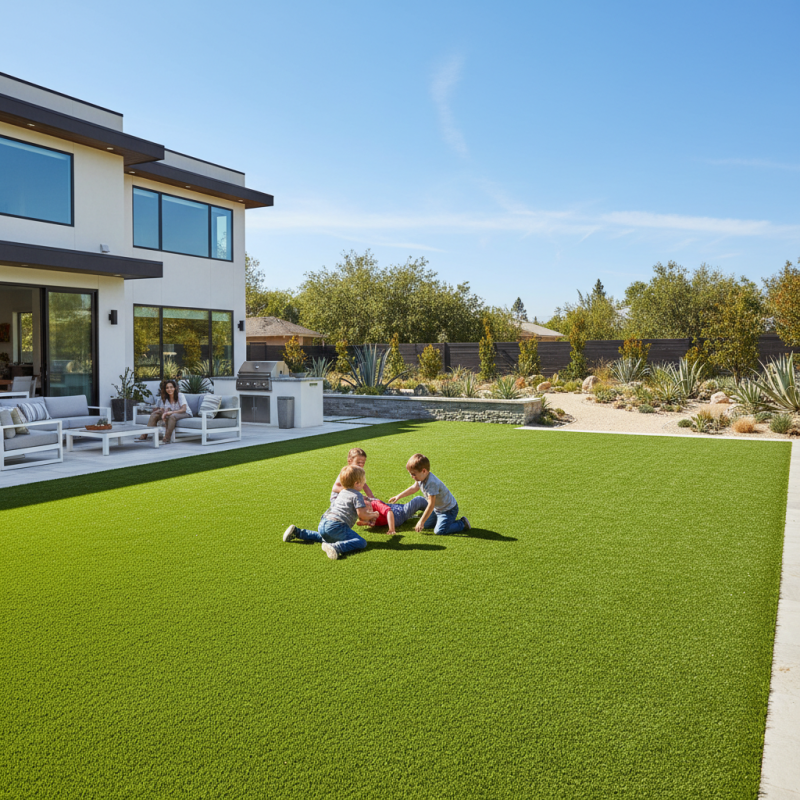
Synthetic Artificial Grass offers a lush look year-round. Unlike natural grass, it requires minimal maintenance. You won't need to mow or water it. This saves time and resources. Many families are opting for this alternative to create a beautiful yard without the hassle.
But is it always perfect? Some may find the initial cost to be high. Others might question its long-term durability. Yet, for those seeking a reliable and attractive option, Synthetic Artificial Grass often proves advantageous. It enhances your outdoor space while providing a reliable landscape solution.
Advantages of Synthetic Artificial Grass Over Natural Grass
Synthetic artificial grass has gained popularity for its numerous benefits over natural grass. One of the most significant advantages is its low maintenance requirement. Unlike natural grass, synthetic grass does not need regular mowing, watering, or fertilizing. This makes it a practical choice for busy homeowners and commercial spaces.
Another benefit is its durability. Synthetic grass can withstand heavy foot traffic and adverse weather conditions without deteriorating. The vibrant color often remains for years, ensuring your space looks appealing year-round. This resilience also means fewer patches or bare spots, which can be common in natural lawns.
When considering synthetic grass, think about the installation process. Proper installation enhances its longevity and appearance. Consider discussing options with a professional to ensure the best results. Additionally, weathering proves challenging for some materials; choose high-quality turf for optimal performance.
In warmer climates, synthetic grass can remain cooler than natural grass, making it more enjoyable for outdoor activities. Yet, it's essential to reflect on potential downsides, such as heat retention on hot days. Regular rinsing can help mitigate this issue.
In summary, synthetic artificial grass offers various benefits over natural grass. When evaluating your choices, consider practicality, maintenance, and your local environment to choose the best option for your needs.
Environmental Benefits of Using Synthetic Grass
Artificial grass offers notable environmental advantages that are worth considering. Unlike natural grass, synthetic turf does not require mowing. This feature contributes to reduced air pollution. Gasoline-powered mowers emit harmful pollutants. Eliminating this need helps improve local air quality.
Water conservation is another crucial benefit. Traditional lawns consume vast amounts of water, especially in dry climates. In contrast, synthetic grass needs minimal water for cleaning, if any. This significantly reduces water waste. It is a responsible choice for areas facing water scarcity.
Moreover, artificial grass reduces the use of pesticides and fertilizers. These chemicals can leach into waterways and harm ecosystems. With synthetic turf, homeowners can create green spaces that are safer for wildlife. However, it is essential to consider the lifecycle of the material and its impact on landfill waste. Balancing these factors is critical for truly sustainable landscaping.
Cost-Effectiveness and Maintenance Savings with Artificial Turf
Artificial turf has become a popular option for homeowners and businesses alike. One of the most compelling reasons for this shift is the significant cost-effectiveness it offers. According to a report by the Synthetic Turf Council, maintaining natural grass can cost up to $10,000 annually for larger spaces. This includes expenses related to water, fertilizers, and regular lawn care. In contrast, synthetic grass significantly reduces these costs, requiring minimal upkeep and no irrigation.
Maintenance savings are another key benefit of artificial turf. Homeowners no longer need to spend hours mowing and trimming. Synthetic grass doesn't require pesticides or herbicides, which can be harmful to the environment. The Environmental Protection Agency suggests that switching to synthetic turf can save over 50% on lawn maintenance costs. For urban areas facing water shortages, the use of artificial grass can greatly contribute to water conservation efforts, with estimates indicating that up to 55% of residential water use is allocated to irrigation.
While the upfront investment for synthetic turf can be substantial, data indicates it's financially beneficial in the long run. Many households have recouped costs within 3 to 5 years. Nonetheless, some might hesitate due to initial price tags. Reflecting on these numbers can help in making well-informed decisions about landscaping options for any space.
Durability and Longevity of Synthetic Grass Solutions
Synthetic artificial grass has been gaining popularity due to its durability and longevity. Unlike natural grass, synthetic options can withstand heavy foot traffic. This makes them ideal for lawns, sports fields, and recreational areas. They don't suffer from wear and tear as easily as real grass does.
One notable aspect is the weather resistance of synthetic grass. It remains lush colored even in harsh conditions. Rain doesn't muddy your space, and the grass drains well. However, some users notice that the surface can get hot in direct sunlight. This is a concern for areas where children play. A little attention during installation can help mitigate this issue.
Maintenance of synthetic grass is another appealing feature. Unlike natural grass, it doesn't require mowing or watering. This saves time and resources. Yet, some users might find that debris like leaves can accumulate. Regular cleaning is needed to maintain its looks. There’s an ongoing debate about whether synthetic materials impact local wildlife. Overall, while synthetic grass has outstanding longevity, it’s essential to consider various factors for a successful installation.
Aesthetic Appeal and Versatility of Artificial Grass in Design
The aesthetic appeal of synthetic artificial grass is undeniable. It transforms spaces into vibrant green landscapes. Its versatility allows for various uses, from residential lawns to commercial settings. Imagine a rooftop garden or a cozy balcony decorated with lush, green turf. This not only enhances visual appeal but also creates a welcoming space for relaxation.
When designing with artificial grass, consider the texture and color. Opt for different shades of green to mimic natural grass. Mix in plants, stones, or decorative elements for contrast. This layering creates depth in your design.
**Tips:** Keep in mind that maintenance varies. While the grass requires less upkeep than natural lawns, it still needs occasional cleaning. Use a leaf blower for quick debris removal. Check for fading in direct sunlight or areas with high foot traffic.
Creating zones using artificial grass can guide movement. Define spaces for grilling, kids’ play areas, or lounging. Remember, achieving a perfect look may take some trial and error. Adjust elements until it feels right. Balance is key, so embrace the process.
Top 10 Benefits of Using Synthetic Artificial Grass for Your Space
| Benefit |
Description |
Environmental Impact |
Maintenance Level |
| Aesthetic Appeal |
Provides a lush, green look year-round. |
Lower water usage for landscaping. |
Low maintenance. |
| Versatility |
Can be used in a variety of applications, from lawns to rooftops. |
No need for harmful pesticides. |
Minimal upkeep required. |
| Durability |
Withstands heavy foot traffic and harsh weather. |
Long lifespan contributes to lower waste. |
Very low maintenance. |
| Safety |
Soft surface reduces injury risk for children and pets. |
Free from toxic chemicals. |
Easy to clean and maintain. |
| Cost-Effective |
Saves money on water and maintenance. |
Helps in water conservation. |
Reduces long-term upkeep costs. |
| Weather Resistance |
Drains water quickly, preventing mud. |
Mitigates runoff pollution. |
Seasonal maintenance not required. |
| Eco-Friendly Options |
Some synthetic turfs are made from recycled materials. |
Supports recycling initiatives. |
Lower input of resources. |
| Pet-Friendly |
Safe for pets and provides a comfortable area to play. |
Reduces drainage issues related to animals. |
Clean-up is straightforward. |
| Customization |
Available in various colors and textures. |
Promotes unique landscaping designs. |
Flexible in design applications. |
| Resilience |
Resists fading and staining compared to natural grass. |
Minimizes chemical runoff into water systems. |
Requires less frequent replacement. |
FAQS
: Artificial turf can save homeowners about $10,000 annually on maintenance. It reduces costs related to water, fertilizers, and lawn care.
Switching to synthetic turf can save over 50% on lawn maintenance costs. This is crucial for water conservation.
No, artificial grass requires minimal maintenance. There’s no need for mowing or using harmful pesticides.
Yes, most households can recoup costs within 3 to 5 years. This makes it a financially sound decision.
It creates vibrant green landscapes, enhancing visual appeal. It’s versatile for various settings, like rooftops and balconies.
Consider texture and color. Mix shades of green with plants and stones to create depth and a welcoming space.
Yes, it does need some occasional cleaning. A leaf blower can be used for quick debris removal.
While it is durable, fading can occur in direct sunlight. High foot traffic areas may also show wear.
Define areas for grilling, play, or lounging. Use contrasting elements for balance and guidance in movement.
It may take trial and error. Adjusting design elements is part of the process, so embrace the journey.
Conclusion
Synthetic Artificial Grass offers numerous advantages over natural grass, making it an increasingly popular choice for various spaces. One of the key benefits is its resilience and lower maintenance requirements, which lead to significant cost savings over time. Unlike natural grass, synthetic grass does not require mowing, watering, or regular fertilization, allowing for a greener space without the intensive upkeep.
Additionally, the environmental benefits of synthetic artificial grass cannot be overlooked, as it conserves water and reduces the need for harmful pesticides and fertilizers. Its durability ensures that it withstands heavy foot traffic and adverse weather conditions, maintaining its appearance for years. Furthermore, the aesthetic appeal and versatility of synthetic grass can enhance any design scheme, making it an ideal addition to residential and commercial landscapes alike. Overall, synthetic artificial grass is a practical and appealing alternative to traditional grass.

 Deyuan Industry