The rise of Synthetic Artificial Grass has revolutionized landscaping and sports facilities globally. According to recent data from the Synthetic Turf Council, the synthetic turf market is projected to reach $10 billion by 2025. This growth reflects a significant shift in preference towards sustainable and low-maintenance solutions. Experts believe this trend is driven by both environmental concerns and the desire for durable outdoor spaces.
Jonathan Smith, a leading authority in the Synthetic Artificial Grass industry, has stated, "Synthetic grass offers unparalleled versatility and longevity, making it an ideal choice for various applications." His insights underline the technology’s adaptability, serving not just residential lawns but also commercial and athletic arenas. The multifaceted benefits, including reduced water usage and lower maintenance costs, make it increasingly appealing.
However, the adoption of Synthetic Artificial Grass is not without concerns. Some buyers fear that the initial investment may outweigh the long-term benefits. Issues like heat retention and the perception of artificiality can also deter potential customers. Understanding these nuances is essential for making informed decisions in the evolving landscape of landscaping and sports maintenance.
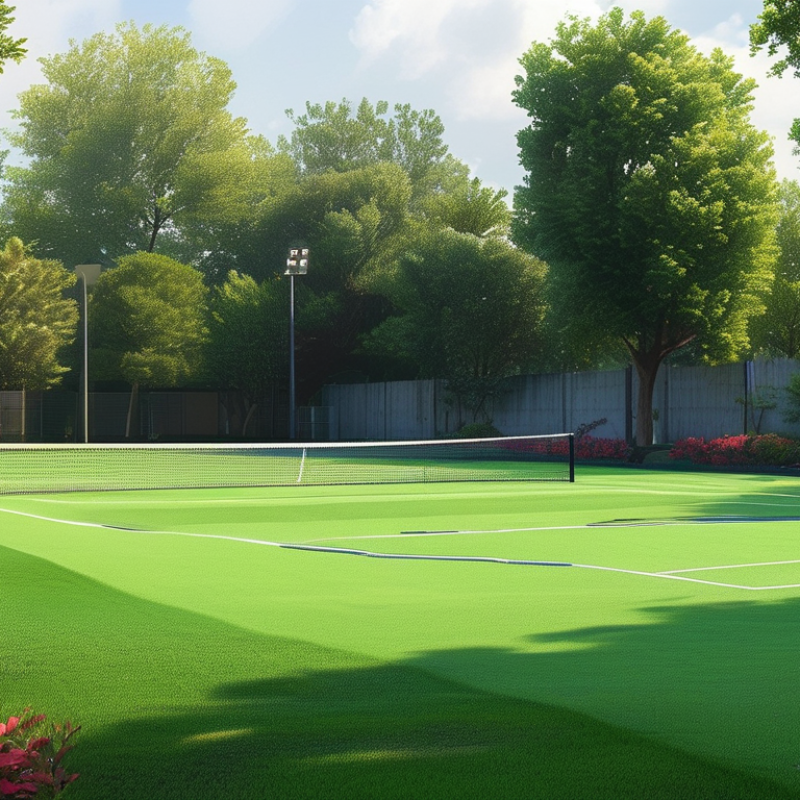
Synthetic artificial grass has gained popularity worldwide due to its numerous advantages. Many buyers are drawn to its low maintenance and durability. Unlike natural grass, synthetic options do not require frequent watering, mowing, or fertilizing. This makes it an ideal choice for both residential and commercial spaces. The vivid green appearance of synthetic grass remains consistent throughout the seasons, adding aesthetic appeal.
When considering synthetic grass, think about the installation process. Proper installation can deeply influence the longevity of the turf. Engaging experienced professionals is crucial. Look for someone skilled to ensure a quality outcome. Choosing the right base material can also impact performance.
Tips: Before purchasing, evaluate your specific needs. Consider factors like foot traffic and climate. Not all synthetic options are created equally. Research thoroughly to find what suits your space best. It is also smart to ask questions about the turf’s wear and tear over time. Understanding its limitations helps in making a well-informed decision.
Synthetic artificial grass offers numerous environmental benefits that appeal to global buyers. One of the most significant advantages is water conservation. Traditional lawns require extensive irrigation, consuming a vast amount of water. In contrast, synthetic grass needs no water for maintenance. This reduction in water usage can be especially beneficial in arid regions facing drought.
Another important aspect is the decrease in chemical usage. Maintaining natural grass often involves pesticides and fertilizers. These chemicals can harm local ecosystems and water sources. Synthetic grass eliminates the need for these products, promoting a healthier environment. It also helps reduce soil erosion, as artificial surfaces prevent soil degradation.
On the downside, there are concerns regarding heat retention and microplastic pollution from synthetic materials. These issues require reflection and a balanced perspective. The long-term environmental impacts of production and disposal must be carefully considered. Potential buyers should weigh these factors against the benefits of conservation and reduced chemical use.
| Benefit | Description | Environmental Impact |
|---|---|---|
| Water Conservation | Synthetic grass eliminates the need for watering, conserving thousands of gallons of water annually. | Reduces strain on local water supplies, especially in drought-prone areas. |
| Reduced Chemical Use | No need for fertilizers or pesticides, reducing chemical runoff into the environment. | Decreases pollution and protects local ecosystems. |
| Durability | Lasts for years with minimal maintenance, minimizing waste and resource use. | Less frequent replacement reduces landfill waste. |
| Year-round Use | Provides a usable surface in all weather conditions, promoting more outdoor activity. | Encourages sustainable outdoor use without environmental degradation. |
| Recyclability | Many synthetic grass products are made from recycled materials and can be recycled at the end of their lifespan. | Supports circular economy principles by minimizing waste. |
Synthetic grass has gained popularity due to its cost-effectiveness. Homeowners and businesses are looking for affordable landscaping solutions. Artificial grass requires minimal maintenance compared to natural lawns. This reduces labor costs and water bills significantly.
Longevity is another key advantage. High-quality synthetic grass can last over 15 years. This durability results in less frequent replacements, saving money in the long run. However, some installations may wear out faster in high-traffic areas, requiring careful consideration.
Investing in synthetic grass also means less environmental impact. It eliminates the need for fertilizers and pesticides, reducing chemical usage. Yet, it’s essential to evaluate specific needs and conditions. Choosing the right type of synthetic grass can make a significant difference in overall satisfaction. Consideration of local climate and usage patterns is crucial for optimal results.
Synthetic artificial grass has gained popularity for its low maintenance requirements. One major benefit is its ability to stay lush without the need for regular watering. This makes it ideal for regions with water restrictions. Additionally, synthetic grass does not require mowing or trimming, which saves time and effort.
Another maintenance advantage is the elimination of pesticides and fertilizers. Traditional lawns often need chemical treatments to maintain health. However, synthetic grass is made of materials that resist pests and weeds. It contributes to an eco-friendlier environment. Despite these benefits, some users might find the initial installation cost high.
Proper cleaning is essential to keep synthetic lawns looking fresh. Regular rinsing can remove debris and dirt. Still, this process is less labor-intensive than maintaining a natural lawn. Many users appreciate the vibrant appearance that lasts through different weather conditions. However, some synthetic products can fade over time, raising questions about long-term durability. Choosing the right type of artificial grass requires research and consideration, but the maintenance advantages are undeniable.
Synthetic artificial grass offers remarkable versatility and aesthetic appeal, making it an attractive option for buyers worldwide. Ideal for residential and commercial spaces, this material transforms any environment into a green oasis. Its vibrant colors and realistic textures create an inviting atmosphere. With various styles and heights available, buyers can choose options that suit their needs.
Installing synthetic grass reduces maintenance time and costs. It doesn’t require mowing, watering, or fertilizing. Additionally, it stays lush and vibrant throughout the seasons. Homeowners can enjoy a beautiful yard without the hassle of upkeep. However, some may worry about the environmental impact of synthetic materials. While they last longer than natural grass, the initial production process raises questions.
Synthetic grass is perfect for diverse applications. From backyards to sports fields, its adaptability shines. It can withstand heavy foot traffic and various weather conditions. This durability makes it suitable for families and pets alike. Nonetheless, potential buyers should consider the long-term implications, including wear and tear. As with any investment, research is essential to make an informed decision.
This bar chart illustrates the top benefits of synthetic artificial grass, including its durability, low maintenance needs, aesthetic appeal, water conservation potential, and versatility. Each benefit is rated on a scale of 1 to 10 based on general consumer feedback.
: Its low maintenance, durability, and consistent appearance appeal to many buyers.
Unlike natural grass, it requires no watering, mowing, or fertilizing.
Evaluate your foot traffic, climate, and specific needs for the best choice.
Proper installation is crucial for longevity. Experienced professionals can help ensure quality.
Minimal upkeep is needed, but occasional cleaning may be necessary.
Its production raises environmental questions, despite its long lifespan.
Yes, it is designed to withstand heavy use and various weather conditions.
No, different styles and materials exist, so research is necessary.
Buyers should consider wear and tear over time and potential maintenance costs.
Yes, it maintains a vibrant appearance through every season.
Synthetic Artificial Grass has gained popularity among global buyers due to its numerous advantages. One of the key benefits is its positive environmental impact, as it eliminates the need for harmful pesticides and reduces water consumption significantly. In addition to being eco-friendly, synthetic grass offers cost-effectiveness and longevity, making it a smart investment for both residential and commercial spaces.
The low maintenance requirements of synthetic artificial grass also contribute to its appeal, freeing users from the hassle of regular mowing, fertilizing, and watering. Furthermore, its versatility allows for a wide range of applications, from sports fields to decorative landscaping, while its aesthetic appeal enhances the visual charm of outdoor areas. Overall, synthetic artificial grass presents an attractive solution for buyers seeking sustainable and practical landscaping options.

Deyuan Industry