Synthetic Artificial Grass is revolutionizing landscaping for homeowners and businesses alike. As an industry expert, Dr. Jane Thompson highlights its appeal, stating, "Synthetic grass means low maintenance and high durability." These features make it increasingly popular among buyers.
The benefits of Synthetic Artificial Grass extend beyond mere aesthetics. It provides a lush, green appearance year-round. Unlike natural grass, it does not require mowing, watering, or fertilizing. This not only saves time but also reduces water costs. Homeowners can enjoy a beautiful lawn regardless of weather conditions.
However, some challenges exist. Installation can be expensive, and it may not appeal to every homeowner. Additionally, concerns about heat retention and drainage should be considered. Exploring both pros and cons can help buyers make informed decisions. Synthetic Artificial Grass presents opportunities, yet it requires careful thought and reflection on one's unique needs.
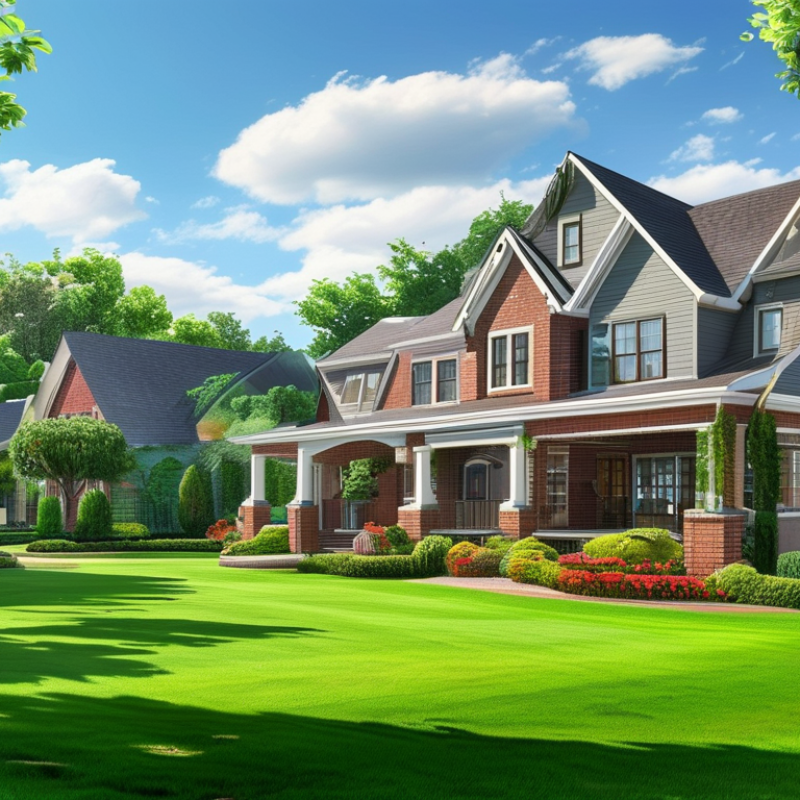
Benefits of Synthetic Artificial Grass for Homeowners
Synthetic artificial grass offers numerous benefits for homeowners looking to elevate their outdoor spaces. Foremost, it requires significantly less maintenance compared to natural grass. According to the Synthetic Turf Council, homeowners can save up to 50% on water costs. This is especially beneficial in drought-prone areas where water conservation is critical. Additionally, synthetic grass eliminates the need for harmful pesticides and fertilizers, promoting a safer environment for children and pets.
Another key advantage is durability. Artificial turf can withstand heavy foot traffic and extreme weather conditions, lasting up to 15 years or more with proper care. This longevity reduces the frequency of replacements, saving homeowners money in the long run. Plus, the consistent appearance of synthetic grass keeps yards looking lush year-round, irrespective of the season.
Consider these points when choosing synthetic grass. Assessing your local climate is vital. Some areas may have specific regulations or concerns regarding installation. Additionally, not all synthetic grasses are created equal; quality can vary significantly. Researching options can ensure that you make a well-informed decision that suits your needs while maintaining aesthetic appeal.
Cost-Effectiveness of Synthetic Grass Compared to Natural Turf
Synthetic grass has gained popularity for a variety of reasons, especially in terms of cost-effectiveness compared to natural turf. Homeowners find that synthetic lawns require lower maintenance expenses. They don’t need mowing, watering, or fertilizing, which can save hundreds of dollars annually. This is particularly appealing for those in regions facing water shortages or high utility bills.
Another aspect to consider is durability. Synthetic grass can withstand heavy foot traffic without substantial wear and tear. For families with kids or pets, this means fewer replacement costs and a consistently green appearance. However, while the initial costs may be higher than natural grass installation, the long-term savings often justify the expense.
On the downside, some may argue synthetic grass lacks the natural feel of real turf. It can sometimes be hot underfoot and may not provide the same comfort level. Additionally, the environmental impact of production and disposal is worth consideration. Homeowners should weigh these factors carefully to make an informed decision.
Cost-Effectiveness of Synthetic Grass Compared to Natural Turf
This chart compares the cost-effectiveness of synthetic grass with natural turf across several dimensions, including initial cost, annual maintenance cost, lifespan, and water usage. Synthetic grass typically has a higher initial cost but significantly reduces maintenance and water costs over its lifespan.
Low Maintenance Requirements of Artificial Grass
Synthetic artificial grass offers remarkable low maintenance benefits that appeal to many buyers. Unlike natural grass, synthetic turf requires no mowing, watering, or fertilizing. This feature saves considerable time and money for homeowners. Additionally, artificial grass remains lush and green year-round, irrespective of weather changes.
This type of grass is particularly advantageous for busy individuals or families. Families with children can enjoy a safe, soft play area without worrying about muddy patches or dead grass. Yet, some may find that occasional brushing or rinsing is necessary. Keeping the surface clean helps prevent issues such as debris accumulation or odors.
When considering synthetic grass, it's wise to examine the installation process. Poor installation can lead to issues like uneven surfaces. Some may overlook this aspect, thinking any installer can do the job. Choose a professional with experience; investing time in research pays off. Ask for references or check previous work to ensure quality.
Environmental Impact of Synthetic Grass: A Sustainable Choice
Synthetic artificial grass is gaining popularity for its environmental benefits. It conserves water significantly, making it a sustainable choice for homeowners.
Natural lawns require substantial amounts of water for upkeep. In contrast, synthetic grass needs none. This shift reduces the burden on local water supplies,
particularly in drought-prone areas.
Moreover, synthetic grass eliminates the need for harmful pesticides and fertilizers.
These chemicals can leach into the soil and contaminate water sources. By choosing artificial grass, buyers contribute to healthier ecosystems.
However, it’s essential to consider the materials used in manufacturing synthetic grass. Some products may not be recyclable, which poses environmental challenges.
While the initial investment in synthetic grass can be higher, long-term benefits surface over time.
Maintenance costs drop significantly, as homeowners save on landscaping services. Yet, not all synthetic grass options provide equal durability or aesthetics.
Research is vital to ensure a quality purchase. Ultimately, understanding these aspects can lead to an informed decision that benefits both homeowners and the planet.
Durability and Longevity of Synthetic Grass Installations
Synthetic artificial grass offers impressive durability and longevity compared to natural alternatives. It's designed to withstand heavy foot traffic without showing signs of wear. For families with pets or active children, this is a significant advantage. The materials used can endure UV exposure, rain, and even snow. They maintain their vibrant color and texture for many years.
However, while synthetic grass does resist fading and damage, it still requires maintenance. Regular cleaning and occasional repairs to seams might be necessary. Users may find it takes time to adapt to the upkeep involved. Some may feel a decline in its aesthetic appeal after several years if not properly cared for. The potential need for infill replacement and surface brushing introduces another layer of consideration.
One must balance these factors when choosing artificial grass. Understanding its lifespan and upkeep requirements is crucial. Buyers should weigh the benefits of longevity against the tasks required for its maintenance. This reflection can lead to a more informed decision.
FAQS
: Synthetic grass requires less maintenance, saving time and money. It can reduce water costs by up to 50%.
It withstands heavy foot traffic and extreme weather. With proper care, it can last over 15 years.
Yes, it eliminates the need for harmful pesticides and fertilizers, creating a safer environment.
Assess your local climate and check for installation regulations. Quality can vary, so research options carefully.
Initial costs may be higher, but savings on maintenance can justify the expense over time.
Some find synthetic grass less comfortable. It can get hot underfoot compared to natural options.
Regular cleaning and occasional seam repairs are needed. Adapting to upkeep can take time.
It can decline in appearance if not maintained. Regular care is essential to preserve its looks.
Yes, it's durable enough for active pets, reducing replacement costs for lawns.
Consider the impact of production and disposal on the environment before making a choice.
Conclusion
Synthetic Artificial Grass offers a multitude of benefits for homeowners seeking a practical and aesthetic landscaping solution. One of the primary advantages is its cost-effectiveness compared to natural turf, as it reduces long-term expenses associated with water, fertilizer, and maintenance. In addition, synthetic grass requires minimal upkeep, allowing homeowners to enjoy a pristine lawn without the regular mowing, watering, or pest control typical of natural grass.
Moreover, synthetic artificial grass presents a sustainable choice for environmentally conscious buyers. Its durability and longevity mean fewer replacements and less waste, making it an eco-friendly alternative. As homeowners increasingly prioritize sustainable living, synthetic grass stands out as a smart investment that delivers both visual appeal and practical advantages while also contributing positively to the environment.

 Deyuan Industry