Artificial Grass Decoration has emerged as a popular choice for homeowners and businesses alike. This innovative solution offers many benefits that can enhance any space. Its aesthetic appeal and versatility make it a smart choice for various settings.
One of the most compelling advantages is the low maintenance required. Natural grass demands constant watering and mowing, whereas artificial grass needs minimal upkeep. This can lead to significant time and cost savings over time. Additionally, artificial grass provides a consistent look throughout the year, free from brown patches or bare spots.
Artificial Grass Decoration is also eco-friendly. It reduces the need for water and harmful pesticides. Many people overlook these aspects. There are, however, concerns regarding materials and installation processes. Investing time in research ensures you choose quality products. This way, you can enjoy the beauty and practicality of artificial grass with peace of mind.
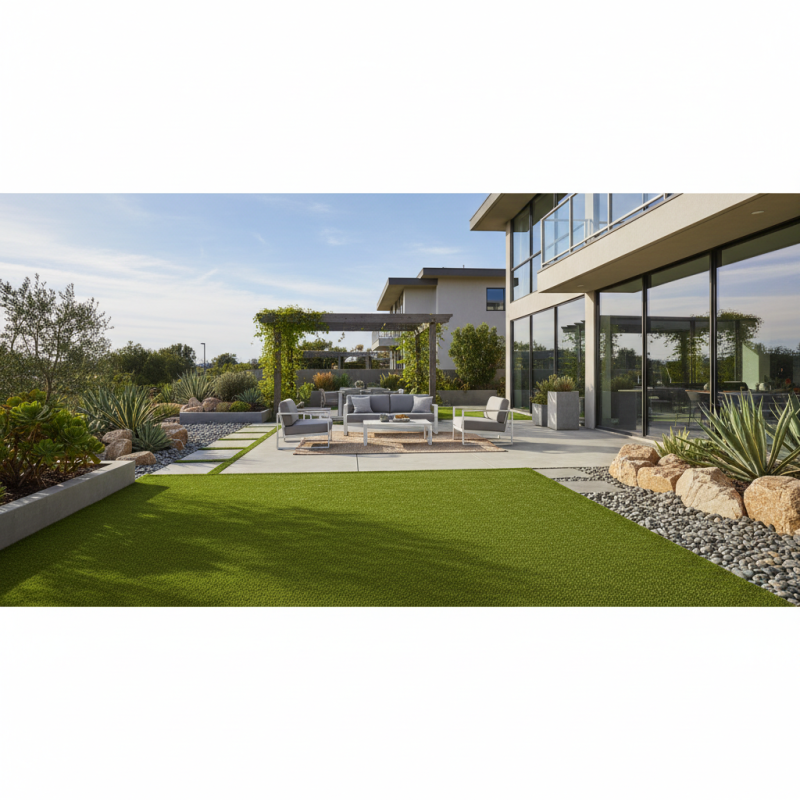
Advantages of Artificial Grass for Indoor and Outdoor Spaces
Artificial grass has become a popular choice for both indoor and outdoor spaces. Its versatility is apparent in many settings. According to a report by the Synthetic Turf Council, the demand for synthetic grass has grown by 15% annually over the past five years. This rapid growth reflects its rising popularity among homeowners and businesses alike.
One major advantage is its low maintenance requirement. Real grass needs regular watering, mowing, and fertilizing. In contrast, artificial grass only needs occasional rinsing and brushing. Additionally, a study from the University of Southern California indicates that synthetic lawns can save up to 55 gallons of water per square foot annually. This factor is appealing in drought-prone areas.
Another point to reflect on is safety. Many synthetic grass products are designed with non-toxic materials. However, there have been concerns about the heat retention of artificial surfaces. In some regions, artificial grass can become hotter than natural grass. This could affect pets and children playing on the surface. Ensuring proper installation and choosing the right type of grass can mitigate these issues.
Enhancing Aesthetic Appeal with Artificial Grass Decoration
Artificial grass decoration can transform any space, bringing both beauty and versatility. Their vibrant green hue adds life to dull areas. Imagine a cozy patio adorned with plush, soft grass underfoot. It creates a relaxing atmosphere, perfect for gatherings. The texture can mimic the feel of natural grass, providing a soothing sensory experience.
Utilizing artificial grass also brings practicality to your aesthetic goals. It requires minimal maintenance, saving time and effort. You don’t need to water or mow it, yet it remains lush year-round. This consistency allows homeowners and businesses to project a polished image without extensive upkeep.
However, there might be a disconnect between expectation and reality. Some may find the initial investment higher than anticipated. Additionally, the environmental impact of synthetic materials can be a concern for eco-conscious individuals. These factors deserve contemplation.
Balancing aesthetics with sustainability is vital. A thoughtful approach is essential when incorporating artificial grass into your décor.
Low Maintenance Benefits of Using Artificial Grass
Artificial grass has gained popularity for its
low maintenance benefits, making it an
attractive choice for many homeowners. According to a report by the
Synthetic Turf Council, artificial grass can save up to
70% on water usage compared to natural grass. This is
particularly beneficial in drought-prone areas, where conserving water is
essential. With no need for regular mowing, artificial lawns can save time and effort, allowing
homeowners to focus on enjoying their space.
In terms of upkeep, artificial grass requires
minimal maintenance. There is no need to
fertilize or apply harmful pesticides. A simple rinse or brush every couple of weeks can keep it
looking fresh. However, some may find it difficult to adjust to the look and feel of synthetic
grass at first. The texture can vary, and it may not feel quite like natural grass underfoot. Yet,
many manufacturers are improving their products to closely mimic the appearance of real grass.
Maintenance savings are significant. Reports suggest
that traditional lawns can cost homeowners around
$400 annually for upkeep, while artificial grass
may incur a one-time installation fee, with no further costs for years. However, the initial investment
can be high, which may deter some. Balancing cost against the time saved is a reflection point for many.
As preferences change, artificial grass continues to enhance
outdoor spaces efficiently.
Environmental Impact: Sustainability of Artificial Grass
Artificial grass offers a sustainable solution to enhance your space while positively impacting the environment. One significant advantage is its water conservation capabilities. Traditional lawns require substantial watering. In contrast, artificial grass does not need irrigation, reducing water waste. This is crucial, especially in drought-prone areas.
Additionally, artificial grass eliminates the need for harmful pesticides and fertilizers. These chemicals can leach into the soil and waterways, causing pollution. By choosing artificial turf, you create a safer environment for local flora and fauna. It’s a step toward eco-friendliness.
However, it’s essential to consider the production and disposal aspects of artificial grass. Manufacturing processes can be resource-intensive, and end-of-life management remains a challenge. Recycling options are limited, leading to waste issues. Thus, while artificial grass provides clear benefits, its environmental impact deserves careful thought and reflection.
Versatile Applications of Artificial Grass in Various Settings
Artificial grass is becoming increasingly popular in various settings, from residential yards to commercial spaces. Its versatility is one of its key advantages. For instance, residential homeowners often install artificial grass to create low-maintenance gardens that look lush year-round. According to a report by the Synthetic Turf Council, the artificial turf market is expected to reach $5.4 billion by 2027. This growth indicates its rising acceptance among homeowners and businesses alike.
In urban areas, artificial grass serves practical purposes. Parks and playgrounds use it for safety and ease of maintenance. Kids can play freely without the worry of muddy shoes or grass stains. Many municipalities are turning to artificial grass to create green spaces that require less water. A study by the Environmental Protection Agency shows that synthetic turf can save up to 56 gallons of water per square foot annually. Its applications extend to commercial spaces as well, where businesses use it for branding or to create inviting atmospheres.
While artificial grass has undeniable benefits, it is not without drawbacks. Some people argue about the environmental impact of manufacturing and disposing of synthetic materials. Recycling options are limited, and this raises questions about sustainability. Additionally, the initial installation cost can be high, making it a significant investment. These concerns highlight the need for careful consideration in the choice of artificial grass for different environments.
Top 10 Benefits of Artificial Grass Decoration for Your Space
FAQS
: Artificial grass requires low maintenance, saves water, and offers safety when chosen correctly.
It can save up to 55 gallons of water per square foot annually, especially in dry areas.
Most products use non-toxic materials, but heat retention can be an issue in some climates.
Occasional rinsing and brushing are needed, unlike the regular mowing and fertilizing of real grass.
It reduces water waste and eliminates harmful pesticides and fertilizers from the environment.
Production can be resource-intensive, and recycling options are limited, posing disposal challenges.
Yes, in certain regions, it can become hotter than natural grass, impacting play safety.
It eliminates chemicals that pollute soil and waterways, promoting a healthier ecosystem.
Proper installation is crucial to reduce potential heat issues and maximize safety for users.
It offers benefits, but its production and end-of-life disposal should be carefully considered.
Conclusion
Artificial Grass Decoration offers a multitude of benefits for both indoor and outdoor spaces. One of the primary advantages is its ability to enhance the aesthetic appeal of any environment, creating a vibrant and lush atmosphere. This decorative element is versatile and can be applied in various settings, from homes to commercial spaces, providing an attractive solution for landscaping and interior design.
In addition to its visual appeal, Artificial Grass Decoration is low-maintenance, saving time and effort compared to natural grass. It eliminates the need for mowing, watering, and fertilization, making it an ideal choice for busy individuals or businesses. Moreover, the sustainability of artificial grass contributes positively to the environment, as it requires fewer resources and reduces water consumption. Overall, incorporating artificial grass into your space is a practical and stylish option that combines aesthetics with environmental awareness.

 Deyuan Industry