As we look ahead to 2026, the landscape of artificial grass synthetic products is rapidly evolving. These innovations are changing how we perceive landscaping, leisure activities, and environmental sustainability. Today, homeowners and businesses alike are opting for artificial grass due to its durability and low maintenance requirements.
Recent advancements in artificial grass synthetic technology have led to products that closely mimic natural grass. These options are making a significant impact in residential and commercial spaces. Improved texture and color make the synthetic products not only functional but also aesthetically pleasing.
However, it is crucial to acknowledge that the artificial grass synthetic industry still faces challenges. Issues such as environmental concerns and misconceptions about durability linger. By addressing these concerns, the industry can further solidify its credibility. The year 2026 promises exciting developments, but reflection on the current landscape will guide these innovations toward greater sustainability and acceptance.
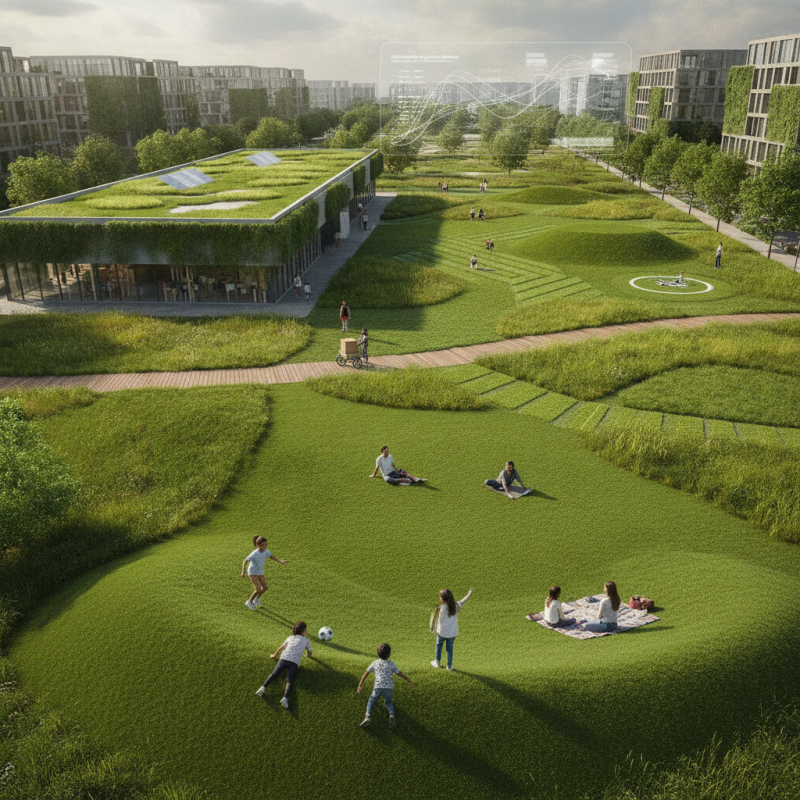
Emergence of Eco-Friendly Materials in Artificial Grass Products
The landscape of artificial grass is evolving rapidly. As environmental concerns grow, eco-friendly materials are emerging at the forefront. These new products focus on sustainability and reducing carbon footprints. Many manufacturers are now exploring biobased polymers and recycled materials. These innovations offer a sustainable alternative to traditional synthetic grass.
Adoption of eco-friendly artificial grass is not without challenges. Some products may lack durability compared to conventional options. Additionally, the initial costs can be higher, which deters some buyers. However, the long-term benefits—lower maintenance and water conservation—are significant. This shift indicates a broader awareness of environmental responsibility within the industry.
As consumers become more environmentally conscious, they demand greener solutions. The rise of eco-friendly materials reflects this shift. Manufacturers must adapt to these expectations to remain competitive. Balancing sustainability with performance remains a critical area for improvement. The future of artificial grass looks promising, but constant reflection and innovation are essential.
Innovative Manufacturing Technologies Shaping Synthetic Grass Trends
Innovative manufacturing technologies are reshaping synthetic grass trends. Recent industry reports indicate that the global market for artificial grass is projected to reach $5 billion by 2027, growing at a CAGR of 9.5%. This growth is driven by advances in materials and production processes. For instance, new techniques in tufting and extrusion methods have improved the durability and appearance of synthetic grass.
Sustainability is a growing focus. Many manufacturers are now incorporating recycled materials into their products. Reports show that nearly 30% of new synthetic grass products contain some recycled content. However, the effectiveness of these materials can vary. Consumers may find it challenging to assess the true quality and environmental impact of these products.
Emerging technologies like 3D weaving are also making waves. This method allows for more complex patterns and textures, enhancing the aesthetic appeal. However, it requires significant investment and expertise. Some manufacturers struggle to adapt to these trends. For every leap forward, challenges persist in balancing innovation with cost-effectiveness. This dichotomy raises important questions about the industry's direction.
Increased Demand for Versatile Applications of Artificial Grass
The demand for artificial grass is on the rise. Homeowners and businesses are seeking versatile applications for synthetic grass. This trend reflects a growing interest in sustainable landscaping solutions. People want environments that are visually appealing yet easy to maintain.
Golf courses, playgrounds, and sports fields are just a few places that benefit from artificial alternatives. Schools are installing synthetic surfaces for safety and durability. Homeowners are transforming backyards into lush, green retreats. These versatile uses do not require constant watering or mowing, promoting water conservation.
Despite its benefits, some concerns remain. Initial installation costs can be high. Additionally, not all products are created equal; quality can vary widely. It's essential to research and choose wisely. The industry needs to address these gaps by enhancing product standards and providing transparent information. This will help consumers make informed decisions.
2026 Top Trends in Artificial Grass Synthetic Products - Increased Demand for Versatile Applications of Artificial Grass
| Application Area |
Market Demand Growth (%) |
Key Benefits |
Sustainability Rating (1-5) |
| Residential Landscapes |
25% |
Low maintenance, water-efficient |
4 |
| Sports Fields |
30% |
Durability, year-round usability |
5 |
| Playgrounds |
20% |
Safety, softness for children |
5 |
| Commercial Spaces |
15% |
Aesthetic appeal, cost-effective |
3 |
| Roof Gardens |
28% |
Green space in urban areas |
4 |
Advancements in Durability and Maintenance of Synthetic Turf
The future of synthetic turf is being redefined by remarkable advancements in durability and maintenance. As artificial grass technology evolves, materials are being engineered to resist wear and tear much longer than before. Innovations in backing systems enhance stability, reducing the need for frequent replacements. This is especially beneficial for high-traffic areas like sports fields and playgrounds.
Maintenance is becoming simpler too. Many new synthetic products require less water for cleaning, which is a significant advantage in regions facing drought. The reduction of harmful chemicals in cleaning products is also a positive development. However, the challenge of debris accumulation still exists, which can lead to maintenance complications. Regular inspection is necessary for peak performance.
While these advancements bring many benefits, the industry must also address environmental concerns. Recycling old turf remains a complex issue. Educating users on proper care is crucial. Innovative solutions in durability and maintenance foster a brighter future, but ongoing efforts are needed to tackle these challenges effectively.
Integration of Smart Technologies in Artificial Grass Solutions
The integration of smart technologies into artificial grass solutions is reshaping the landscaping industry. As reported by the Synthetic Turf Council, the synthetic turf market is expected to grow at a compound annual growth rate (CAGR) of 11.5% from 2022 to 2028. This surge is largely due to advancements in smart technology applications.
Sensors embedded in artificial grass can monitor moisture levels and optimize irrigation schedules, reducing water waste significantly.
Another key aspect is the use of artificial intelligence in maintenance. Smart algorithms can analyze the wear and tear on surfaces. This data-driven approach enables proactive maintenance, minimizing long-term costs. The potential for reducing maintenance frequency is a game changer. However, the initial investment in these smart systems may deter some users.
The landscape of synthetic products is also evolving with the introduction of eco-friendly materials. As consumers seek sustainable solutions, the demand for innovative, recyclable grass will rise. Despite the promising benefits, challenges remain in ensuring reliability and affordability. Balancing cost with the adoption of smart technologies will be critical for widespread acceptance in the market.
FAQS
: Eco-friendly materials focus on sustainability. They aim to reduce carbon footprints and use biobased polymers.
Durability can be an issue, and initial costs are often higher than traditional options. Some buyers hesitate because of this.
They offer lower maintenance and save water. These benefits can outweigh initial investment concerns.
Advances in materials and production methods are key factors. The market is projected to reach $5 billion by 2027.
Many manufacturers incorporate recycled materials. However, the effectiveness and quality can vary widely across products.
Techniques like 3D weaving enhance aesthetics. However, they require significant investment and expertise.
New materials resist wear and tear better. Enhanced backing systems reduce the need for frequent replacements.
They often require less water for cleaning. Fewer harmful chemicals are used in maintaining these surfaces.
Yes, debris accumulation can complicate maintenance. Regular inspections are necessary for optimal performance.
Recycling old turf is complex. Users need education on proper care to mitigate environmental impact.
Conclusion
The article "2026 Top Trends in Artificial Grass Synthetic Products" explores the latest advancements and trends in the artificial grass industry. One significant trend is the emergence of eco-friendly materials, which are increasingly being integrated into artificial grass synthetic products, responding to growing environmental concerns. Additionally, innovative manufacturing technologies are transforming how synthetic grass is produced, enhancing its versatility for various applications beyond traditional sports fields.
Moreover, advancements in durability and maintenance are making artificial grass synthetic options more appealing to consumers, ensuring longevity and reducing upkeep efforts. The integration of smart technologies into artificial grass solutions also represents a forward-thinking trend, providing enhanced functionality and interactivity. Collectively, these trends indicate a promising future for artificial grass synthetic products, aligning with changing consumer preferences and environmental considerations.

 Deyuan Industry